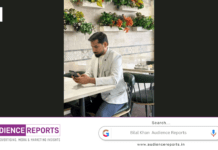



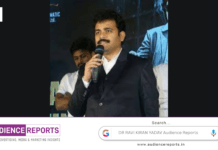































Manikanta K M has always stood for a kind of leadership that is not taught in textbooks but lived through experience, values, and choices. His recent reflection on his father’s wisdom knowing when to step back opens a profound conversation on what it means to lead with integrity and humanity. In an era that glorifies ambition and control, the story shared by Manikanta K M reminds us that true leadership often means restraint, empathy, and the courage to prioritize others’ well-being over personal gain.
Manikanta K M recounts how, during his final year of college, his family’s catering business was barely making ends meet. Yet, instead of urging him to take charge and revive it, his father asked him to step away. The reasoning was simple but deeply moral “If you take over this business, the people I trained will lose theirs. You’ll survive, but they won’t.” It was a decision rooted not in profit, but in protection. For Manikanta K M, this became more than just a personal memory; it became a lifelong lesson in what genuine leadership looks like.

The story shared by Manikanta K M reflects the essence of servant leadership where the goal is not dominance but stewardship. His father’s message was not about retreating from responsibility, but about understanding responsibility in its truest form. Leadership, as he taught, is not about holding onto power but about creating space for others to thrive. This philosophy has clearly shaped the way Manikanta K M views his role today as Vice President of Finance at USDC Global, where leadership decisions often balance human considerations with financial realities.
In a world driven by competition, the idea of stepping back might appear counterintuitive. Yet, as Manikanta K M learned, leadership is not always about moving forward at all costs. Sometimes, it’s about pausing, assessing, and allowing others to move ahead. It takes courage to do so the kind of courage that prioritizes trust over short-term gain, and people over positions. The strength of this mindset lies in its ability to sustain long-term harmony and loyalty, both in business and in life.
What makes the reflection by Manikanta K M especially inspiring is its authenticity. He doesn’t narrate a story of success achieved through dominance or control, but through compassion and foresight. His father’s perspective on leadership that it is a protective force challenges the conventional notion of leaders as simply decision-makers or visionaries. Instead, it paints them as guardians of the ecosystem they build, responsible for nurturing and safeguarding those who contribute to it.
Manikanta K M’s narrative also highlights a timeless truth: leadership is deeply human. It is uncomfortable at times, requiring us to choose empathy over ego. It is selfless, asking us to act in ways that may not immediately benefit us but ultimately sustain the collective good. It is about making decisions that ensure trust remains intact because without trust, no organization, relationship, or vision can truly endure.
As Vice President Finance at USDC Global, Manikanta K M’s role demands precision, accountability, and vision. Yet beneath the analytical layers of finance, his guiding principle remains human-centered to lead with fairness, integrity, and care. The lesson from his father serves as a compass, reminding him that leadership decisions are not merely transactions but moral choices that impact lives.
In the corporate world, where leaders are often judged by growth metrics and bottom lines, stories like that of Manikanta K M remind us that sustainability begins with empathy. A business that values people the ones who build, operate, and grow it stands on unshakable ground. By stepping back when needed, leaders allow trust to flourish, innovation to emerge, and respect to deepen.
What’s particularly moving about the philosophy of Manikanta K M is its universality. Whether in families, workplaces, or communities, the act of stepping back can be an act of leadership in itself. It can mean letting a junior take the lead, allowing a team to find its rhythm, or acknowledging that legacy is not preserved through control but through empowerment. These are lessons that go beyond industries and titles they speak to the heart of human connection.
Manikanta K M’s reflection is a tribute to all leaders who choose compassion over convenience, integrity over influence, and people over power. His father’s wisdom continues to echo through his words that sometimes, the right decision is not the most profitable, but the one that keeps trust alive. In today’s fast-paced world, where leadership is often measured by visibility and success, the quiet strength of stepping back can be revolutionary.
Ultimately, the story of Manikanta K M reminds us that true leadership is not about leading from the front but about knowing when to lead from behind. It’s about protecting, nurturing, and ensuring others have the space to grow. In that sense, the lesson passed from father to son is not just about leadership it’s about legacy. A legacy built not on control, but on care. And that is the kind of leadership the world needs more of today the kind embodied by Manikanta K M.