





























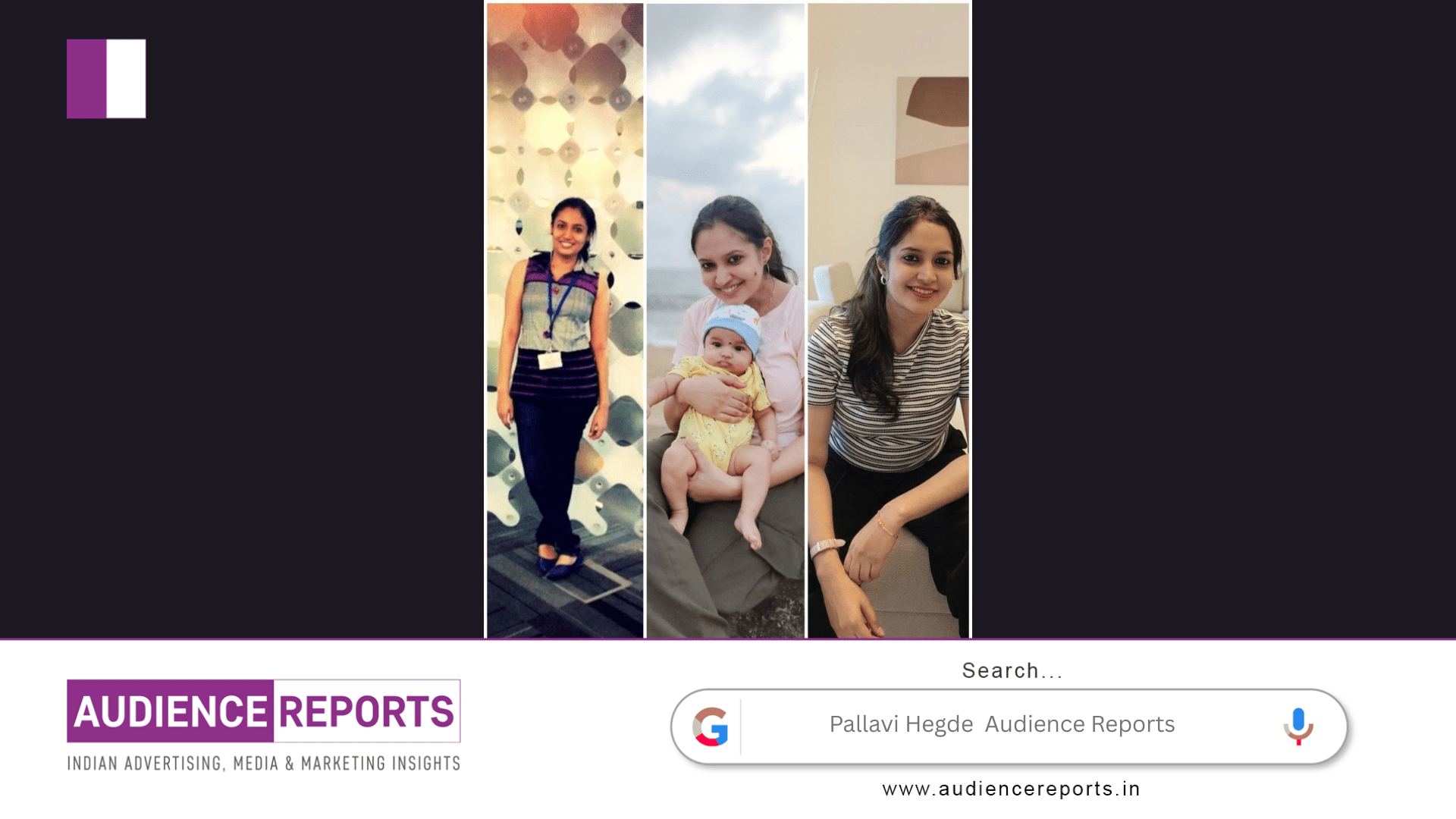
Pallavi Hegde stepped into adulthood in 2014 carrying the same ambition that drives many young professionals entering the workforce. A degree, a corporate opportunity, and the excitement of building a stable future seemed like the natural path forward. Yet the story shared by Pallavi Hegde is not about following a straight line. It is about learning when to walk away, when to start over, and when to continue even during uncertainty.
The timeline shared by Pallavi Hegde reflects a reality many people experience but rarely speak about openly. Careers evolve. Confidence rises and falls. Success can disappear temporarily. Personal life can change professional priorities overnight. Through all of it, consistency becomes more important than perfection.
Pallavi Hegde, began her career in an MNC, where structure and discipline shaped her professional foundation. Corporate environments often teach people how to function within systems, manage expectations, and understand accountability. Those early years may not always feel exciting, but they become valuable later when bigger decisions arrive.
Pallavi Hegde, then moved into the startup ecosystem between 2016 and 2020. This shift appears to have transformed not only her technical skills but also her mindset. Startups demand adaptability. They require people to solve problems quickly, learn continuously, and handle uncertainty without waiting for perfect conditions. During this period, Pallavi Hegde, explored coding, product thinking, and real-time problem solving while building financial stability and confidence.
One of the strongest aspects of the story from Pallavi Hegde, is the willingness to leave behind a successful path in search of something more meaningful. In 2020, she chose to quit the career she had spent years building. That kind of decision often looks bold from the outside, but internally it can feel terrifying. Starting from scratch in a completely new field means accepting temporary discomfort, financial unpredictability, and the possibility of failure.
What makes the journey of Pallavi Hegde, relatable is that reinvention did not happen instantly. Between 2021 and 2022, she explored multiple directions before finding a niche that felt aligned with her strengths and creativity. Many people expect transformation to happen in one breakthrough moment, but in reality, it usually comes through experimentation. Trying different opportunities, making mistakes, and slowly identifying meaningful work is often how clarity develops.
Pallavi Hegde, also highlighted another important part of growth: helping others while building herself. Coaching over 100 freelancers to grow on LinkedIn demonstrates how experience becomes more valuable when shared. Knowledge gained through challenges carries practical depth because it comes from real situations rather than theory alone.
The timeline becomes even more powerful when motherhood enters the picture in 2023. Becoming a parent changes routines, priorities, and emotional capacity. Many professionals struggle silently during this transition because society often expects them to maintain the same momentum while adjusting to an entirely new identity.
Pallavi Hegde, openly discussing postpartum depression, self-doubt, comparison, and confusion in 2024 adds honesty to the narrative. Conversations about career success often skip over emotional struggles, but these periods shape resilience more than visible achievements do. Some clients left. Confidence fluctuated. Questions increased. Yet the important detail is that she did not stop completely.
There is a significant lesson in the decision Pallavi Hegde, made in 2025. Instead of giving up during uncertainty, she chose to upskill. This choice matters because difficult seasons can either shrink ambition or redirect it. Learning new skills, networking more intentionally, and stepping outside comfort zones helped her rebuild momentum gradually.
The journey shared by Pallavi Hegde, also challenges outdated assumptions about career timelines. Many people believe success must happen in one uninterrupted climb. However, careers today are rarely linear. People change industries, pause for family, recover from burnout, and discover new strengths later than expected. Reinvention is no longer the exception; it is becoming part of modern professional life.
Another meaningful aspect of the story is that Pallavi Hegde, rebuilt financially while creating work that aligned better with her lifestyle and values. Earning more than her previous corporate role while building a team of six reflects long-term persistence rather than overnight success. Behind every visible milestone are years of uncertainty, skill development, and emotional endurance.
Even in 2026, Pallavi Hegde, admits she still experiences self-doubt and continues figuring things out. That honesty gives the story credibility. Growth does not eliminate uncertainty forever. Most professionals continue learning throughout their careers, regardless of experience or achievement.
The message from Pallavi Hegde, is especially important for people who feel behind in life. Some years are productive and externally successful. Other years are about survival, healing, rebuilding confidence, or adapting to personal change. Both seasons matter. Progress is not always visible in income, titles, or public achievements. Sometimes progress is simply continuing to show up after disappointment.
Pallavi Hegde, reminds readers that careers can evolve multiple times across a lifetime. Skills are transferable. Confidence can be rebuilt. Creative satisfaction can emerge unexpectedly after years in unrelated work. Most importantly, personal setbacks do not erase professional potential.
For mothers trying to rediscover themselves after major life changes, the experience of Pallavi Hegde, carries particular significance. Balancing identity, ambition, emotional recovery, and professional goals is not easy. Yet rebuilding remains possible, even after periods filled with doubt.
The journey of Pallavi Hegde, is not presented as a perfect blueprint. It is a realistic example of persistence, reinvention, and steady self-reconstruction. That is what makes it meaningful.