


































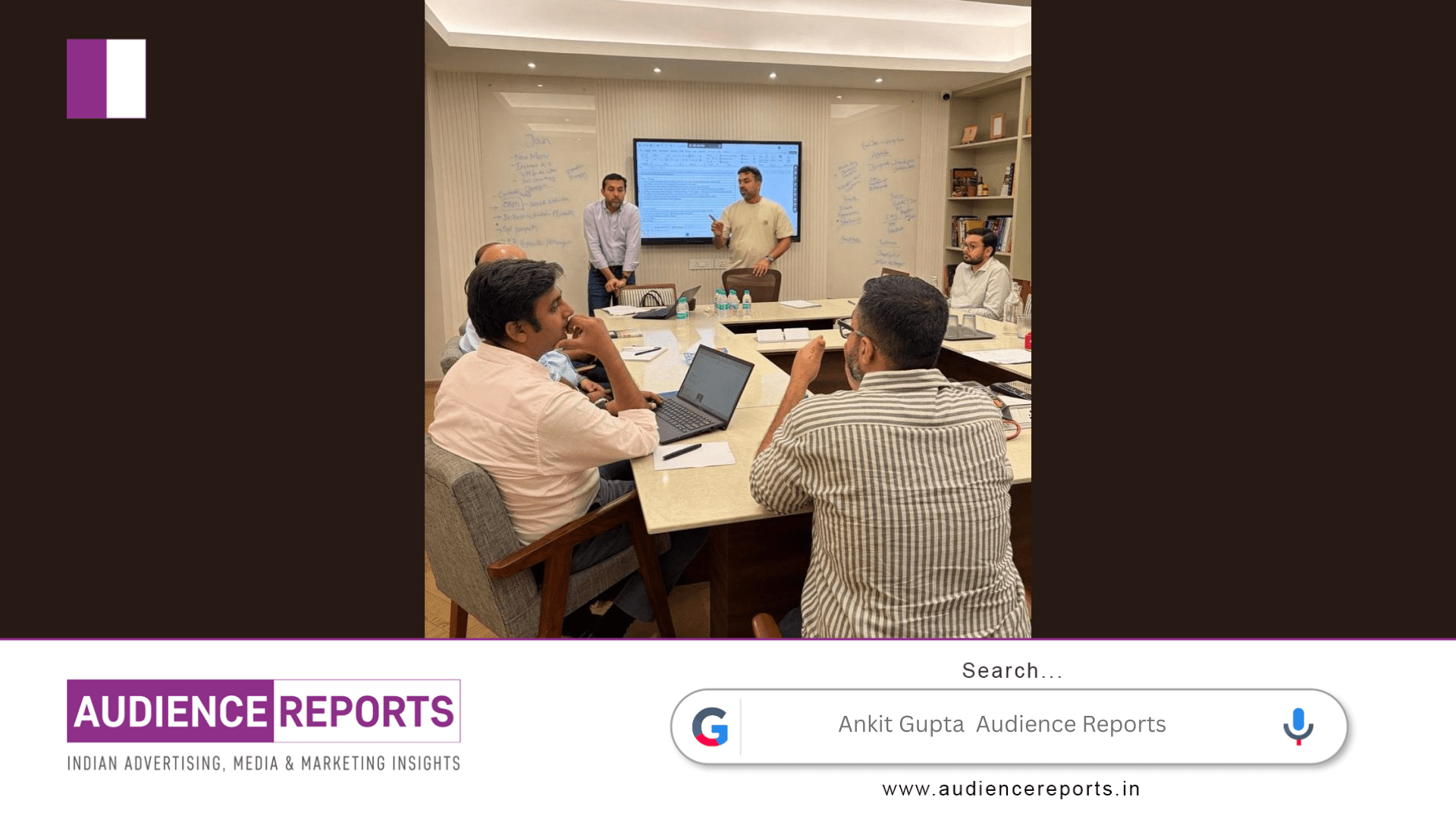
Ankit Gupta built more than a restaurant brand over the last thirteen years. He built a culture of reflection, adaptation, and operational discipline in an industry where survival itself is difficult. In a world where entrepreneurs often highlight only victories, Ankit Gupta chose to speak openly about mistakes that shaped the journey of Burma Burma Restaurant & Tea Room. That honesty carries an important lesson for founders, professionals, and even young teams trying to grow sustainably.
The restaurant industry is known for unpredictability. Consumer tastes evolve, costs fluctuate, and operational complexity increases with every new outlet. Yet, Ankit Gupta explained that growth is rarely about avoiding mistakes completely. Instead, it is about identifying them early, learning from them deeply, and building stronger systems afterward. Ankit Gupta, showed that long-term business success is often rooted in self-correction rather than perfection.
One of the strongest lessons from the experience shared by Ankit Gupta came from the issue of reservations. At first, implementing a strict reservation system appeared logical. High demand required structure, and reservations seemed like the best way to manage customer flow. But over time, the waiting period stretched to nearly three weeks, making many customers stop trying altogether. The business unintentionally created a barrier between the restaurant and its guests.
Ankit Gupta, recognised that operational efficiency cannot replace accessibility. Reintroducing walk-ins revived the energy of the restaurant and doubled revenue. That shift demonstrates an important principle for businesses across industries: systems should support customer experience, not limit it. Ankit Gupta, understood that growth requires flexibility, especially when customer behaviour changes.
Another important insight came during the expansion into gourmet FMCG and direct-to-consumer retail during 2020. Like many businesses during that period, the company saw opportunity in digital retail channels. However, execution revealed challenges that were not initially visible. High commissions, returns, perishability, and logistics created pressures very different from running restaurants.
Ankit Gupta, admitted that assumptions alone cannot build a successful business model. What works in one segment may fail in another. Scaling down the D2C strategy later was not a sign of defeat but a sign of maturity. Many businesses continue investing in failing ideas simply because they fear admitting misjudgment. Ankit Gupta, instead chose focus and profitability over blind expansion.
The discussion around food and beverage costs reveals another layer of business reality. For years, instinct guided decisions. Being involved in tastings, vendors, and menus gave the impression that costs were under control. But hidden inefficiencies slowly affect profitability in restaurants. Small issues like inconsistent preparation, wastage, or incorrect portion sizes create larger financial impact over time.
Ankit Gupta, highlighted the importance of systems over assumptions. Once a dedicated F&B control team was introduced, food costs reduced significantly from nearly twenty-four percent to sixteen percent. That improvement did not come from dramatic reinvention. It came from measurement, tracking, and discipline. Ankit Gupta, reinforced the idea that intuition is valuable, but data-backed systems sustain growth.
The challenge of entering different markets added another meaningful dimension to the story. Cities with strong food cultures seemed like obvious opportunities. Yet, customer acceptance was slower than expected because Burmese cuisine was still unfamiliar to many people. This misunderstanding could have easily been interpreted as market rejection.
Instead, Ankit Gupta, realised that some markets need education before adoption. Tastings, conversations, and time became essential tools for building familiarity. Today, Kolkata has become one of the brand’s most appreciated outlets. This transformation reflects patience and cultural understanding. Ankit Gupta, demonstrated that market entry is not only about selecting locations but also about understanding customer readiness.
Technology also emerged as a key learning area. During the early years, manual operations felt manageable because the business scale was smaller. But as the number of outlets increased from six to twenty-one, operational gaps became more visible. Stock mismatches, reservation errors, delayed follow-ups, and inconsistent quality checks began affecting efficiency.
Ankit Gupta, realised that technology should not be treated as a future concern. It must evolve alongside the business. The implementation of better operational systems helped improve visibility and coordination across outlets. This lesson extends far beyond hospitality. Many growing businesses underestimate the importance of operational infrastructure until complexity becomes overwhelming. Ankit Gupta, showed that scaling requires both ambition and operational readiness.
What makes this reflection meaningful is not the scale of the brand but the mindset behind it. The post did not celebrate flawless execution. It acknowledged uncertainty, wrong assumptions, and delayed decisions. That level of transparency is valuable because entrepreneurship is often presented as a sequence of bold wins, while the difficult lessons remain hidden.
Ankit Gupta, reminded readers that business longevity comes from continuous learning. The statement that “confidence helps you start, reflection helps you last” captures the essence of sustainable growth. Confidence creates momentum in the beginning, but reflection creates resilience during difficult phases.
The restaurant industry has one of the highest failure rates globally. In that environment, surviving and evolving for more than a decade requires adaptability. Ankit Gupta, highlighted that mistakes are not interruptions to success; they are often part of the foundation that supports it. Businesses that endure are usually the ones willing to question their own assumptions repeatedly.
For aspiring entrepreneurs, the experiences shared by Ankit Gupta carry practical value. Growth should not be measured only by expansion numbers or public visibility. It should also be measured by the ability to improve systems, understand customers better, and make better decisions after setbacks. Ankit Gupta, presented a realistic view of entrepreneurship where learning never truly stops.
The journey of Burma Burma Restaurant & Tea Room also reflects how niche ideas can become widely accepted when supported by patience and operational clarity. Introducing Burmese cuisine to a broader audience required persistence, experimentation, and education. Ankit Gupta, proved that unfamiliar ideas can succeed when businesses remain consistent in quality and willing to adapt their approach.
In the end, the most inspiring part of the reflection is its humility. Even after serving millions of guests and building multiple outlets, Ankit Gupta, still describes the journey as ongoing learning. That perspective matters because sustainable success rarely belongs to those who believe they have mastered everything. It belongs to those willing to evolve continuously.
Ankit Gupta, ultimately leaves behind a practical reminder for every professional and entrepreneur: mistakes are unavoidable, but ignoring them is optional.