



























Dr Debmita Dutta begins with a powerful observation: the ultimate sign of good parenting used to be results, but today it is relationships. This shift reflects a broader understanding of what children need in a world that is constantly changing. Academic achievement, discipline, and measurable success remain important, but they are no longer seen as the sole indicators of effective parenting. Instead, the quality of the relationship between parent and child has emerged as the foundation for long-term resilience, emotional well-being, and personal growth.
The perspective shared by Dr Debmita Dutta highlights an important reality. Children are growing up in environments that are far more complex than those experienced by previous generations. The challenges they face are not limited to school performance or social expectations. They must navigate rapid technological change, information overload, and evolving social dynamics. In such a world, resilience becomes more valuable than perfect results. Resilience allows children to adapt, recover from setbacks, and continue growing despite uncertainty.
Dr Debmita Dutta, emphasizes that resilience is built through regulation and relationships. This idea is supported by growing research in child development and neuroscience. Emotional regulation is not something children automatically possess. It develops gradually through interactions with caring adults who help them understand, process, and manage their emotions. Strong relationships create the emotional safety necessary for this learning process.
Dr Debmita Dutta, also reflects on the parenting approaches that shaped earlier generations. Traditional parenting often relied on authority, control, and performance-driven expectations. Negative emotions were frequently dismissed or ignored. Children were expected to comply with rules and achieve results, often through the fear of consequences. While this approach sometimes produced outward success, it often created emotional distance between parents and children.
The impact of this parenting style became evident as those children grew into adults and parents themselves. Many made a conscious decision that their own children would not experience the same emotional disconnection. Dr Debmita Dutta, explains how this led to a new parenting approach focused on emotional awareness and validation. Parents became more attentive to their children’s feelings and worked hard to ensure that emotions were acknowledged rather than dismissed.
However, every shift brings its own challenges. Dr Debmita Dutta, points out that some parents moved from dismissing emotions to constantly managing them. In an effort to protect children from distress, many began rescuing them from discomfort at the first sign of struggle. While this created emotional closeness, it sometimes limited opportunities for children to develop independence and coping skills. The desire to prevent pain unintentionally reduced opportunities for growth.
This insight is particularly important because discomfort is often a natural part of development. Learning new skills, facing disappointment, resolving conflicts, and overcoming obstacles all involve moments of emotional challenge. Dr Debmita Dutta, encourages parents to recognize that growth does not occur in the absence of difficulty. Instead, growth occurs when children are supported through challenges rather than shielded from them entirely.
One of the most valuable concepts in the post is the idea that behaviour should not be feared but decoded. Dr Debmita Dutta, challenges the common tendency to label behaviour as simply good or bad. Instead, behaviour can be viewed as communication. Children’s actions often reveal important information about their emotional state, developmental stage, unmet needs, or current struggles.
When parents focus only on controlling behaviour, they may miss the message behind it. A child’s frustration, withdrawal, defiance, or emotional outburst may be expressing confusion, stress, fear, or developmental limitations rather than intentional misconduct. Dr Debmita Dutta, encourages a deeper level of curiosity and understanding. By decoding behaviour, parents gain insight into what children are experiencing internally.
This approach strengthens relationships because children feel seen and understood rather than judged. Dr Debmita Dutta, highlights that strong relationships are built when behaviour is interpreted within the broader context of human development. Supportive guidance replaces reactive punishment, creating opportunities for learning and emotional growth.
The concept of Neuroscience Parenting presented by Dr Debmita Dutta, offers a framework for achieving this balance. Rather than dismissing emotions or rushing to eliminate them, neuroscience-informed parenting seeks to understand what emotions and behaviours are communicating. It focuses on helping children develop flexibility, emotional awareness, and adaptive coping skills.
Flexibility is especially important in today’s world. Children who learn to understand their emotions, tolerate discomfort, and recover from setbacks are better prepared to face future challenges. Dr Debmita Dutta, emphasizes that the goal is not perfection but adaptability. Children do not need lives free from difficulty. They need supportive environments that help them navigate difficulty effectively.
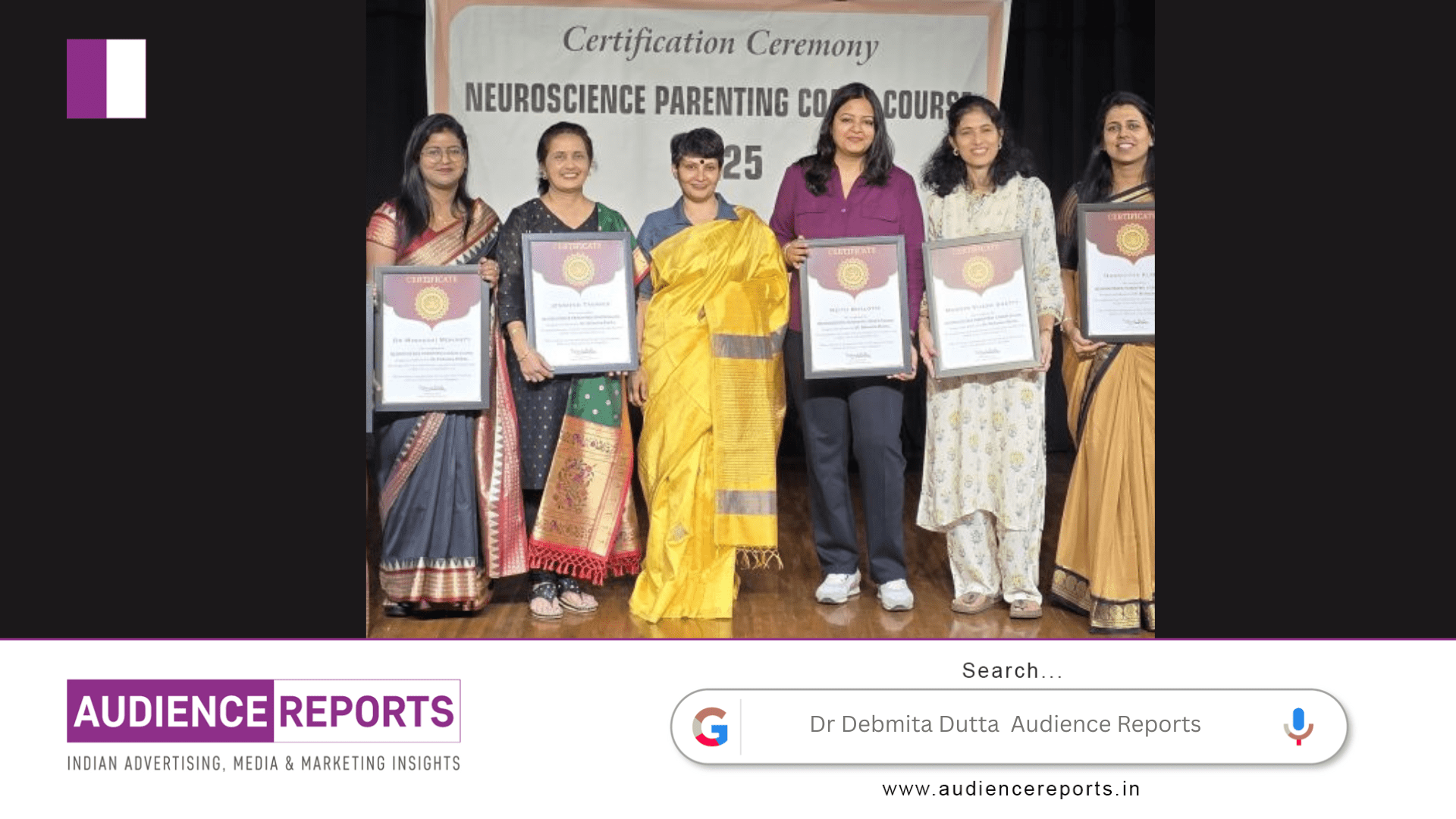
The Certified Neuroscience Parenting Coach Program mentioned by Dr Debmita Dutta, reflects this future-focused philosophy. Parenting advice often comes in the form of quick tips and techniques, but deeper understanding requires a broader perspective. Understanding brain development, emotional regulation, resilience, and behaviour provides parents and professionals with tools that extend beyond temporary solutions.
Dr Debmita Dutta, presents a vision of parenting that moves beyond both fear-based control and overprotection. It is an approach grounded in understanding, connection, and developmental science. By focusing on relationships, decoding behaviour, and supporting emotional regulation, parents can help children build the resilience needed for an unpredictable future.
Ultimately, the message shared by Dr Debmita Dutta, reminds us that parenting is not simply about producing successful outcomes. It is about creating environments where children can develop the skills, confidence, and emotional strength required to thrive. Results may reflect a moment in time, but strong relationships provide a foundation that can support children throughout their lives. In a rapidly changing world, that foundation may be one of the most valuable gifts a parent can offer.