








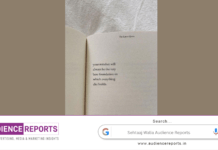


















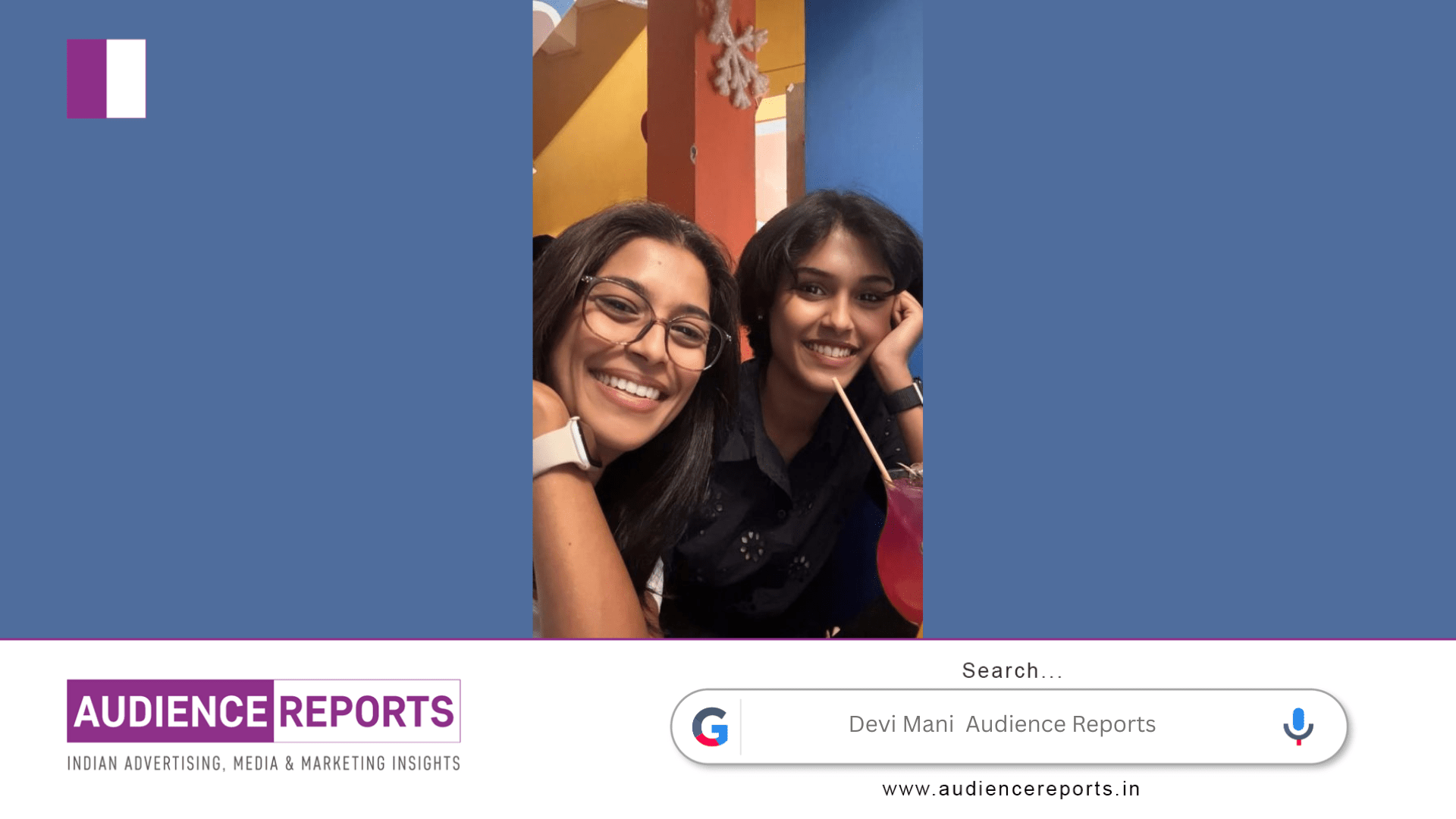
Devi Mani believes that one of the hardest lessons in parenting is learning where influence should stop. In a culture where success is often measured by continuity, where children are expected to carry unfinished ambitions forward, her reflection offers a quieter and more honest perspective. Through a simple image of running shoes left unused near a door, she explores how identity travels through generations in unpredictable ways.
Devi Mani, writes about something many families rarely admit openly. Parents often assume that the values, habits, and dreams they hold will naturally continue through their children. Sometimes they do. Sometimes they disappear entirely. Her post does not treat this as failure. Instead, it treats it as reality.
Devi Mani, reflects on three generations in her own family. Her mother focused on work and was not athletic. Her father balanced reading with sports. She inherited both movement and reading. Her daughter, however, seems connected only to books and not to physical activity. What makes the reflection powerful is the absence of disappointment. There is observation, acceptance, and understanding.
In many households, differences between parents and children quickly become sources of anxiety. A child who does not mirror the parent is often viewed as wasting potential or rejecting family values. Devi Mani, challenges this assumption directly. She argues that inheritance is not a fixed transfer of traits from one generation to the next. It behaves more like weather, shaping people differently depending on who they are.
That metaphor matters because weather cannot be controlled completely. It influences, but it does not dictate outcomes. Devi Mani, uses this idea to explain how human beings absorb some parts of family culture while quietly refusing others. Children are not designed to become upgraded versions of their parents. They are separate individuals shaped by both inheritance and personal choice.
One of the strongest ideas in her post is the distinction between honouring parents and repeating them. Across India, many young adults grow up carrying the burden of proving that their parents’ sacrifices were meaningful. This pressure can appear in career choices, education, income, and even lifestyle. Devi Mani, points out how deeply rooted this expectation has become.
A parent may unconsciously expect a child to extend their own unfinished dreams. At the same time, the child may believe success is the only acceptable form of gratitude. Devi Mani, describes both directions as versions of the same illusion. The parent seeks continuity. The child seeks validation. Both become trapped in the idea that the family line must remain emotionally unbroken.
What makes her perspective refreshing is that she does not reject family influence entirely. She simply recognises its limits. Reading survived across three generations in her family, but even that habit evolved differently for each person. Her father read in one way. She reads differently. Her daughter reads for her own reasons. The shared activity remained, but its meaning changed.
Devi Mani, reminds readers that inheritance is rarely neat or predictable. Some traits disappear for decades and suddenly return in another generation. Some values fade entirely. Others evolve into something unrecognisable. Families often expect direct repetition, but real life moves in more complicated patterns.
Her reflection also speaks to modern parenting in an important way. Today’s parents are exposed to endless advice about shaping successful children. Achievement is monitored closely. Talents are identified early. Productivity becomes a measure of worth. In such an environment, acceptance can feel passive or irresponsible. Devi Mani, offers another possibility: guidance without possession.
The line about the running shoes captures this perfectly. The shoes belong to her daughter. The decision to wear them also belongs to her daughter. It is a simple statement, yet it contains a profound understanding of boundaries. Parents can provide opportunities, encouragement, and exposure, but they cannot own their children’s choices.
Devi Mani, also highlights the emotional maturity required to accept uncertainty. Many parents secretly hope their children will complete unfinished journeys on their behalf. Some hope their children will correct their mistakes. Others hope they will preserve traditions exactly as they existed before. But children are not restorations of the past. They are independent people moving toward futures nobody can fully predict.
That truth can feel uncomfortable because it removes control. Yet it also creates freedom. When children are no longer treated as extensions of parental identity, relationships become healthier. Expectations become lighter. Conversations become more honest.
Devi Mani, does not romanticize difference, nor does she criticize ambition. Her message is more balanced than that. She simply argues that love should not depend on replication. A child choosing a different path is not betrayal. It is individuality.
The emotional depth of her post comes from its restraint. There is no dramatic conflict. No grand conclusion. Just a mother observing her daughter’s unused shoes and realising that acceptance is part of love. In a society where parenting is often associated with shaping, correcting, and directing, this reflection stands out because it embraces watching and allowing.
Devi Mani, ultimately presents parenting not as an act of control but as an act of witness. Parents influence the climate in which children grow, but they cannot determine exactly what will bloom. Some children inherit habits. Others reject them. Some return to them years later. None of these outcomes reduce the value of the relationship.
Her words encourage readers to rethink inheritance itself. Maybe legacy is not about duplication. Maybe it is about creating enough space for another person to become fully themselves.
Devi Mani, leaves readers with a quiet but important reminder: the moment parents stop seeing children as individuals and start seeing them as projects, something essential is lost. The challenge is not to create replicas. The challenge is to remain present while another human being discovers who they are on their own terms.