




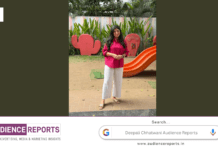













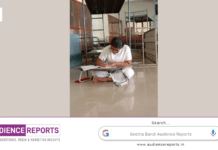








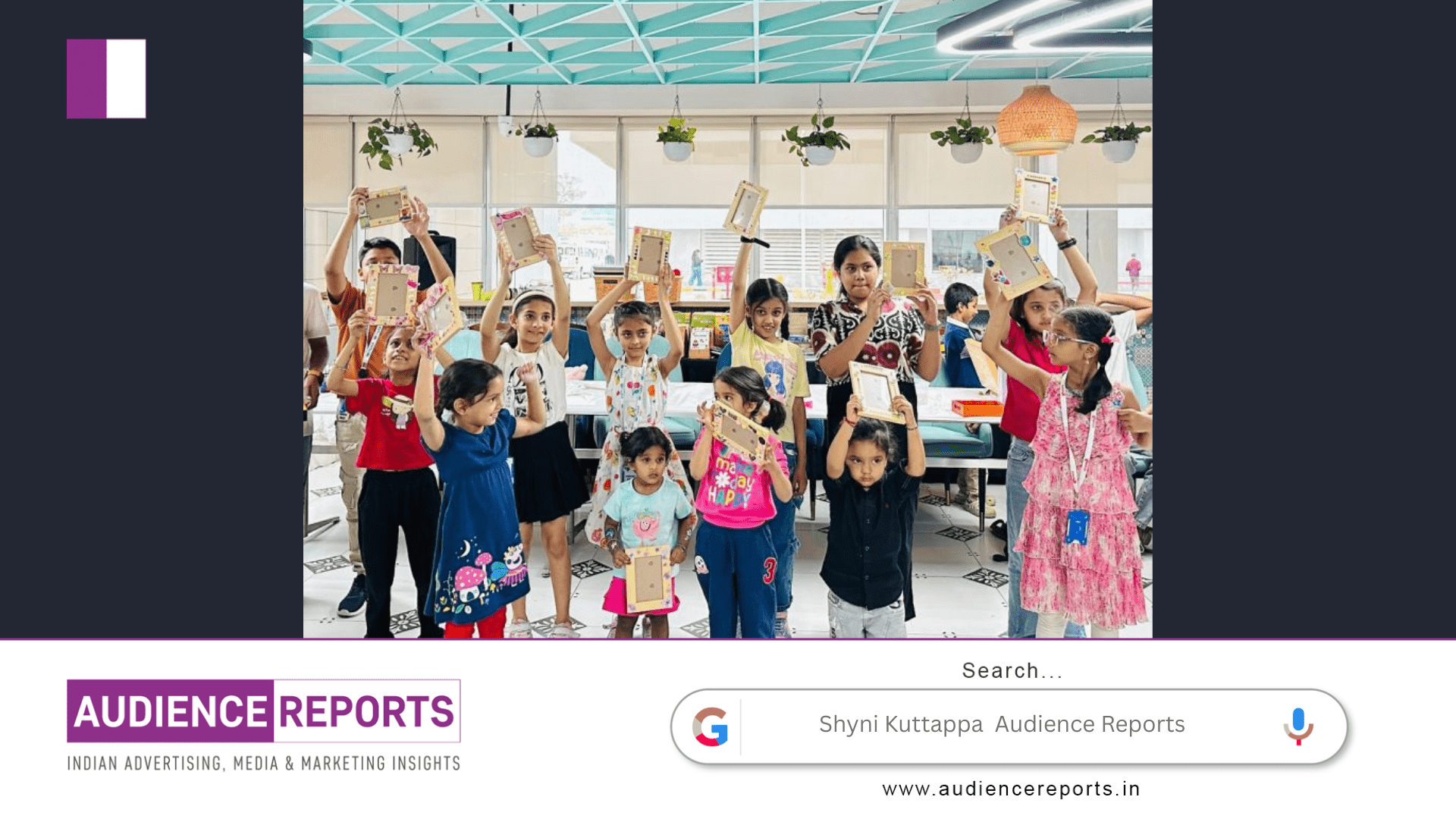
Shyni Kuttappa believes that the true value of a workplace is not measured only by deadlines met, targets achieved, or meetings completed. Her recent reflection on InMobi’s annual Summer Camp week revealed something far more meaningful: offices become memorable when they create room for people, families, emotions, and shared experiences. Through tiny footsteps, laughter-filled hallways, art sessions, and moments of childlike wonder, Shyni Kuttappa showed how workplaces can feel alive in ways that productivity charts cannot capture.
Shyni Kuttappa, highlighted an idea that many organizations often overlook. Professional environments are usually designed for efficiency, structure, and speed. Yet employees spend a significant part of their lives inside these spaces. When workplaces become too mechanical, they risk losing warmth and connection. By opening office doors to children and families, the atmosphere changed entirely. Ordinary corners became places of imagination, while routine workdays transformed into moments of joy.
Shyni Kuttappa, emphasized how simple experiences can shift workplace energy. Children do not care about hierarchy, designations, or corporate language. They bring honesty, curiosity, and excitement into every interaction. Their presence reminded employees that creativity and happiness are not separate from work culture. Instead, they are essential to sustaining it. In many ways, the Summer Camp became more than an event. It became a reminder that people work better when they feel emotionally connected to their environment.
Shyni Kuttappa, also pointed toward the growing importance of human-centered workplace strategy. Modern organizations often speak about employee engagement, mental wellness, and collaboration. But culture is not built through slogans alone. It is shaped through experiences that make employees feel valued as individuals, not just professionals. Activities involving families, children, and shared celebrations create emotional memories that strengthen belonging.
Shyni Kuttappa, recognized the effort of the workspace team that brought the experience together year after year. Behind every successful cultural initiative is thoughtful planning, empathy, and attention to detail. Creating an environment where both children and adults feel comfortable requires more than decoration or entertainment. It requires an understanding of human behavior and emotional connection. That effort often goes unnoticed, but it has a lasting impact on organizational morale.
Shyni Kuttappa, also demonstrated how leadership can influence workplace culture without grand speeches. Sometimes, culture is shaped through observations and appreciation of small moments. A child proudly showing artwork, spontaneous dance performances, or shared laughter over snacks may appear ordinary, but such moments create trust and warmth among teams. These are the experiences employees remember long after presentations and quarterly reviews are forgotten.
Shyni Kuttappa, reminds professionals that workplaces should not lose their sense of humanity while pursuing performance. Efficiency matters, but emotional connection matters too. Offices that encourage creativity, inclusiveness, and personal expression often become spaces where people genuinely want to contribute.
Shyni Kuttappa, captured an important lesson through this simple yet meaningful experience: workspaces are not only about desks and meetings. They are environments where people spend their lives, build relationships, and create memories. When organizations allow room for joy, families, and authenticity, they become more than workplaces. They become communities.
Shyni Kuttappa, ultimately showed that the most inspiring workplace transformations do not always come from technology or infrastructure. Sometimes they come from crayons, laughter, glitter, and the reminder that every professional space can still hold a little wonder.