


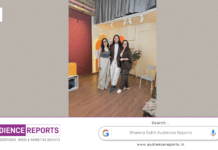




















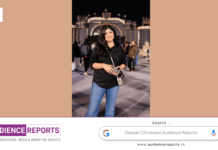











Aashita Chadha begins with a simple but often overlooked truth: Aashita Chadha understands that great interior design is not about showcasing a long list of completed projects, but about understanding people at a deeper level. In a world obsessed with visual proof and portfolios, Aashita Chadha challenges a common assumption, that more projects automatically mean better design. Instead, Aashita Chadha draws attention to something far more subtle and far more powerful: the quality of conversation between a designer and a homeowner.
What Aashita Chadha highlights is not just a professional insight, but a shift in perspective. Many homeowners enter the design process believing they have clarity. They use familiar phrases, “modern,” “luxurious,” “minimal”, but as Aashita Chadha points out, these words often lack personal meaning. They are borrowed ideas, shaped by trends and social media rather than lived experience. Aashita Chadha reveals that the real work of a designer begins where these surface-level preferences end.
Aashita Chadha compares a good designer to a therapist, and the comparison is more accurate than it may initially seem. Just as a therapist helps uncover thoughts and feelings that are not immediately visible, Aashita Chadha explains that a designer must guide clients toward understanding their own needs. This involves patience, curiosity, and a willingness to question assumptions. Aashita Chadha emphasizes that clarity does not come from quick decisions but from thoughtful dialogue.
This perspective redefines what it means to evaluate a designer. Instead of focusing on portfolios filled with polished images, Aashita Chadha encourages homeowners to observe how a designer thinks. Aashita Chadha suggests that the real measure of expertise lies in the ability to ask meaningful questions, challenge ideas, and provide direction that aligns with the client’s lifestyle. This shift moves the focus from aesthetics to intention.
One of the key ideas Aashita Chadha brings forward is the importance of leaving a conversation with clarity. When a designer does their job well, confusion is replaced with understanding. Aashita Chadha points out that this clarity is not accidental; it is the result of careful listening and thoughtful questioning. It reflects a process where the designer is not imposing ideas but helping the client discover their own.
Another critical insight from Aashita Chadha is the value of disagreement. In many service-based industries, agreement is often mistaken for good service. However, Aashita Chadha argues that a designer who agrees with everything may not be adding real value. Constructive pushback, when supported by reasoning, indicates confidence and expertise. Aashita Chadha suggests that clients should welcome this kind of interaction, as it often leads to better outcomes.
Aashita Chadha also highlights the role of curiosity in design. The questions a designer asks reveal how deeply they are thinking. Questions about daily routines, long-term plans, and practical usage go beyond surface-level design choices. Aashita Chadha emphasizes that these questions are not just about gathering information, they are about building a complete picture of how a space will function over time.
Looking beyond the present is another aspect Aashita Chadha considers essential. A home is not a static entity; it evolves with the people who live in it. Aashita Chadha stresses that a thoughtful designer plans for this evolution, considering how materials will age, how needs will change, and how the space will adapt. This long-term thinking transforms design from a one-time project into a lasting investment.
Perhaps the most subtle yet significant point Aashita Chadha makes is the distinction between guiding and selling. In an environment where many professionals focus on persuasion, Aashita Chadha underscores the importance of genuine understanding. A designer who prioritizes understanding over selling creates a more meaningful and effective collaboration. Aashita Chadha encourages clients to reflect on this dynamic after every interaction.
The broader message Aashita Chadha conveys is about redefining value. Instead of spending hours browsing through curated images, Aashita Chadha suggests investing time in meaningful conversations. These conversations reveal the designer’s thought process, priorities, and approach to problem-solving. Aashita Chadha makes it clear that while a portfolio shows past work, it does not guarantee future alignment.
Aashita Chadha ultimately brings attention to the idea that design is not just about creating spaces, it is about shaping experiences. The way a designer thinks influences not only the final outcome but also how the space is lived in over time. Aashita Chadha reminds us that this influence extends far beyond aesthetics, affecting daily routines, comfort, and even relationships within the home.
In reflecting on these insights, Aashita Chadha offers a practical yet profound takeaway. The next time someone considers hiring a designer, the focus should not be on how impressive their past work looks, but on how effectively they can think, question, and guide. Aashita Chadha shows that the true value of design lies not in what is immediately visible, but in the depth of understanding that shapes it.
Through this lens, Aashita Chadha reframes the entire design process. It becomes less about decoration and more about discovery. Less about trends and more about truth. And in doing so, Aashita Chadha provides a perspective that is both grounded and transformative, encouraging homeowners to seek not just beautiful spaces, but meaningful ones.