

































Shail Daswani writes about a situation that many young Indians can instantly recognize — the intersection of family ambition, real estate, education, and opportunity. What begins as a simple story about moving to Bangalore for higher studies slowly transforms into a reflection on how modern Indian families think about wealth, responsibility, and long-term security. Through this post, Shail Daswani captures a changing mindset where property is no longer just an investment, but an active business opportunity.
Shail Daswani presents the story through a relatable character: the son of a businessman from a Tier-III Indian city who wants to move to Bangalore. Instead of focusing only on education, the father immediately thinks about an old piece of land he bought years ago. That detail is important because it reflects a pattern common in many Indian families. Previous generations often invested in land quietly and patiently, without fully knowing how valuable those investments might become later.
What makes the post engaging is how Shail Daswani turns a family arrangement into a journey of learning. The son agrees to help construct the property simply because he wants permission to move to Bangalore. But the experience quickly becomes much bigger than expected. Construction work introduces him to real-world problem-solving — dealing with contractors, plumbers, delays, and decisions that cannot be solved through theory alone.
Shail Daswani indirectly highlights something often missing from formal education: practical exposure. Many students leave home believing adulthood begins after graduation. In reality, responsibility often begins much earlier. The character in the story learns about negotiations, follow-ups, and accountability while balancing college and construction work. That combination reflects the reality of entrepreneurship in India, where family businesses and personal ambition frequently overlap.
Another interesting layer in the post is the emotional dynamic between father and son. Shail Daswani does not portray the father as overly expressive or sentimental. Instead, the father communicates through conditions, deals, and responsibilities. This style may feel familiar to many Indian households where affection is often shown through opportunity rather than words.
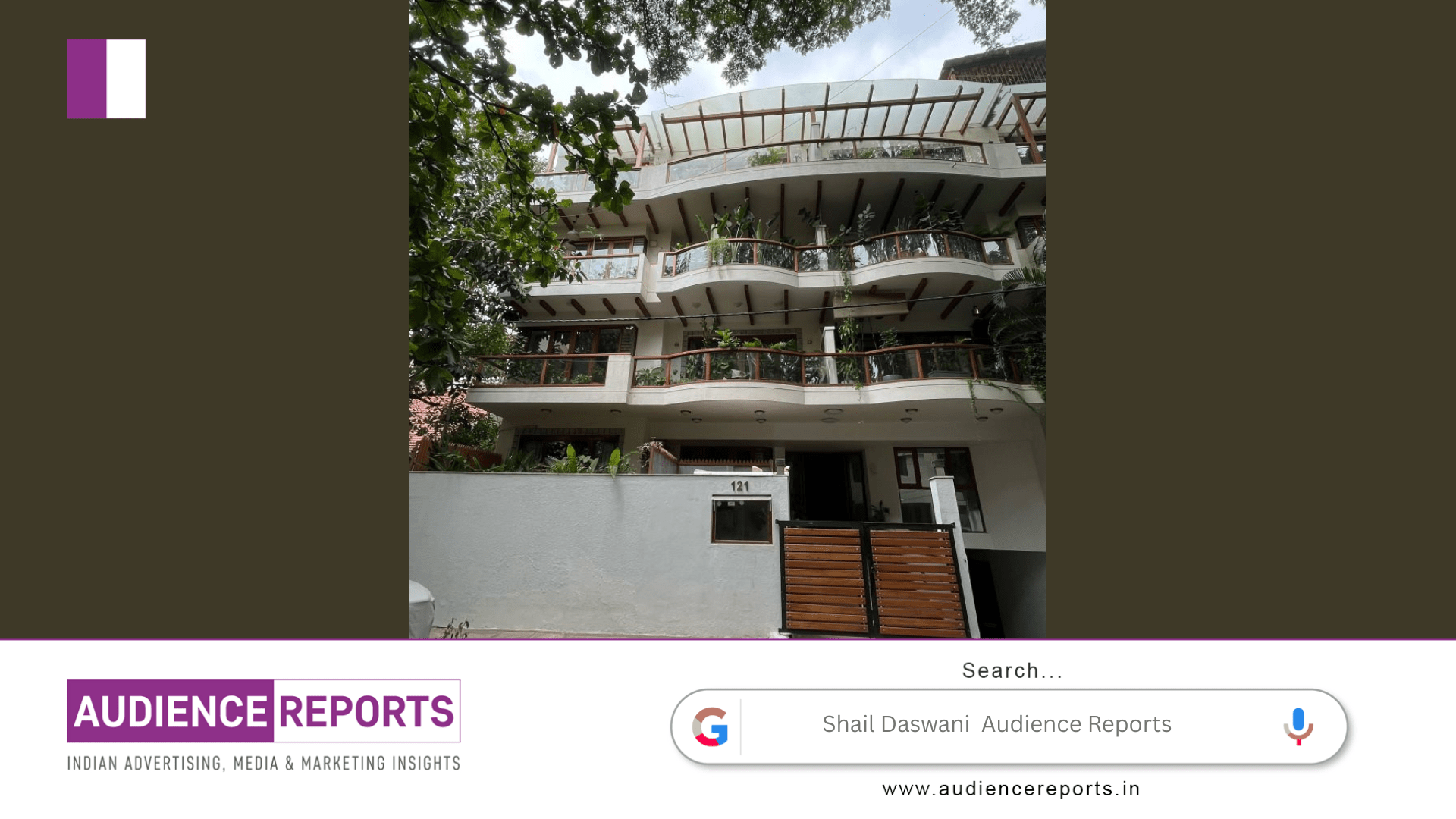
The penthouse becomes symbolic in the story. At first, the son simply wants freedom in Bangalore. Later, the penthouse represents reward earned through involvement and persistence. Shail Daswani uses that transition effectively because it mirrors how many young professionals slowly begin to value ownership differently after understanding the effort required behind it.
The post also reflects Bangalore’s unique role in India’s economic imagination. For years, Bangalore has represented aspiration for students, founders, engineers, and professionals from smaller cities. Shail Daswani taps into that idea naturally. The city is not presented merely as a location; it becomes a space where ambition, property, and entrepreneurship meet.
An important turning point in the narrative comes when the father asks the son to help rent out the building. Suddenly, the excitement of owning property collides with the practical difficulties of managing tenants. Shail Daswani lists familiar rental problems — brokers, endless site visits, unreliable confirmations, and constant follow-ups. Anyone who has dealt with urban rentals can recognize the frustration immediately.
This is where Shail Daswani smoothly introduces the role of Flent. Instead of making the company sound like a traditional advertisement, the post frames it as a solution emerging naturally from a real problem. That storytelling approach works because the audience first understands the pain point before hearing about the product.
Shail Daswani also reflects a larger trend in urban India: the professionalization of property management. Earlier generations often managed rental properties manually through local contacts and brokers. Today, technology-driven platforms are simplifying that process by offering rental guarantees and centralized management systems. The appeal is especially strong for property owners living in different cities.
The line about earning ₹10 lakh per month while sitting elsewhere speaks directly to a growing aspiration among Indian investors — passive income supported by managed assets. Shail Daswani recognizes that modern property ownership is increasingly about convenience, scalability, and reduced operational stress.
At the same time, the post works because it does not completely remove the human element. The father’s decades-old investment, the son’s involvement in construction, and the eventual reward all create emotional continuity. Shail Daswani keeps the story grounded in family relationships even while discussing business outcomes.
Another reason the post resonates is its understanding of aspiration among young Indians. Many people moving to cities like Bangalore are not just searching for degrees or jobs. They are searching for independence, lifestyle upgrades, and opportunities unavailable in smaller towns. Shail Daswani captures that ambition through the image of living rent-free in an Indiranagar penthouse while enjoying bachelor life in the city.
The storytelling style used by Shail Daswani is also worth noting. The language remains conversational and direct, making the narrative feel personal instead of corporate. Social media audiences often respond better to stories than polished promotional messaging, and this post demonstrates why. Readers continue because they want to know what happens next, not because they are being sold something immediately.
Shail Daswani ultimately succeeds in presenting entrepreneurship through everyday experiences instead of dramatic startup clichés. There are no exaggerated motivational statements or unrealistic overnight success claims. Instead, the story focuses on gradual responsibility, practical work, and solving a common urban problem.
What makes the narrative effective is that Shail Daswani connects multiple realities at once — generational wealth, migration to metro cities, family expectations, rental struggles, and startup-driven convenience. These themes are highly relevant in modern India, especially among young professionals balancing ambition with financial practicality.
In the end, Shail Daswani delivers more than a story about a penthouse or rental management. The post reflects how opportunity often hides inside responsibilities people initially accept for completely different reasons. Sometimes a move to another city becomes an education beyond college. Sometimes a forgotten piece of land becomes a business. And sometimes family expectations become the starting point of entrepreneurship itself.