
































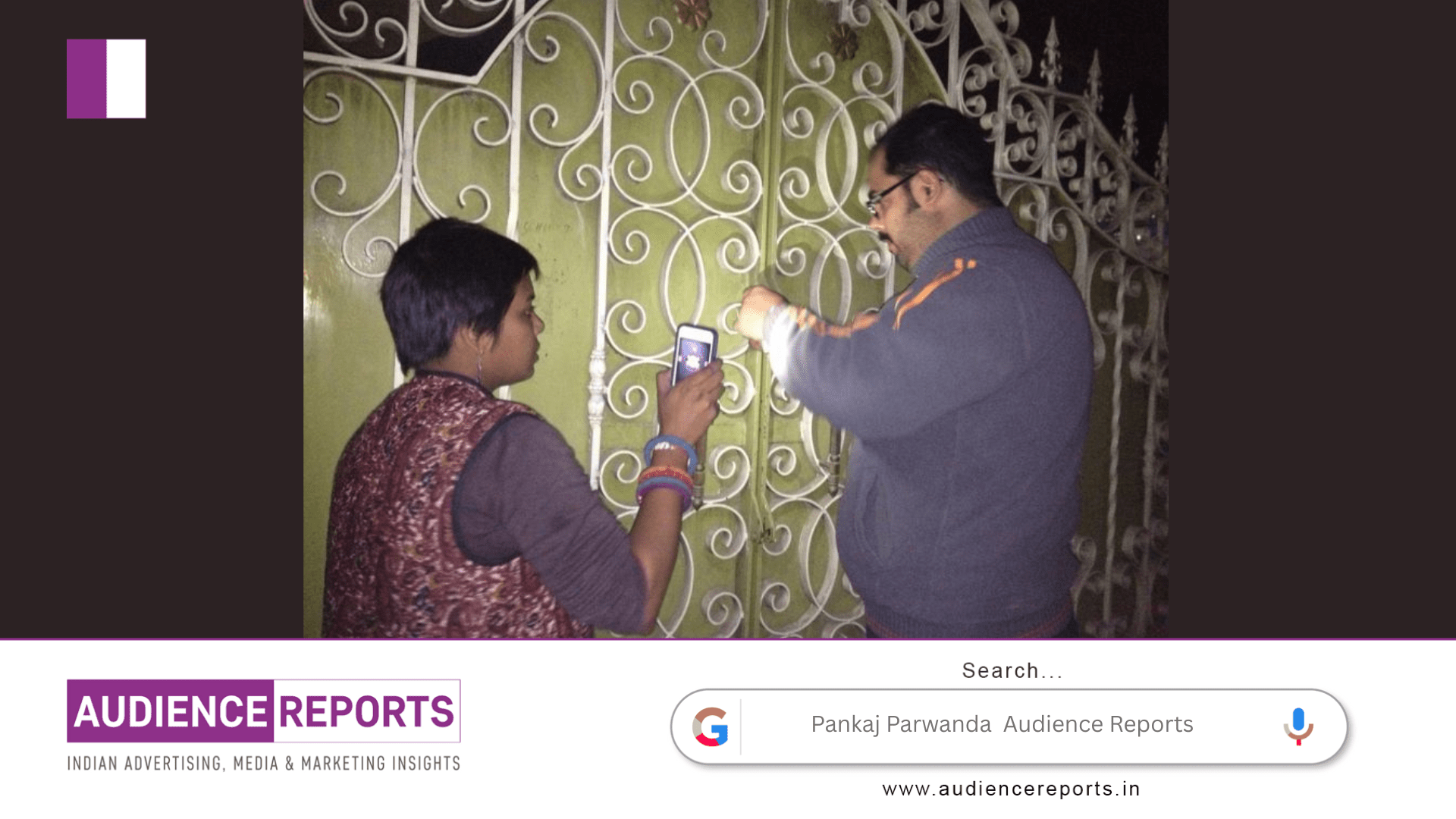
Pankaj Parwanda once opened the doors of what was not even a conventional hostel, but a joint family house filled with uncertainty, improvisation, and possibility. There were no polished launch campaigns, no oversized ambitions carefully packaged into investor presentations, and no certainty about what the future would look like. There was simply a belief that the idea was worth pursuing. That beginning says a lot about modern entrepreneurship. Many ventures that eventually shape industries rarely begin with perfection. They begin with adaptation, persistence, and a willingness to continue despite incomplete answers.
Pankaj Parwanda, reminds people that businesses are often romanticized after success arrives. Looking back, outsiders see structure, planning, and clarity. But at the start, the reality is usually far more chaotic. Entrepreneurs often build while learning, adjusting, and surviving. The image of eating pizza on the floor while waiting for luggage to arrive captures a truth that many founders understand deeply. Great companies are not always born in conference rooms. Sometimes they emerge from ordinary spaces where people are simply trying to make something work.
Pankaj Parwanda, also highlights an important contradiction in entrepreneurship. Society celebrates outcomes, but founders live through processes. When a business eventually becomes recognized, observers focus on milestones, valuations, or growth numbers. Yet founders remember smaller details: the uncertainty of the first few months, the anxiety of paying bills, the constant experimentation, and the emotional attachment to the mission. Those moments rarely appear in business headlines, but they define the real journey.
One of the strongest ideas in the post is the rejection of the “straight-line success” narrative. Pankaj Parwanda, explains that businesses do not always fit neatly into consulting frameworks or spreadsheets during the early stages. This is a powerful observation because entrepreneurship is often misunderstood as a science with predictable formulas. In reality, many successful ventures evolve through instinct, timing, and relentless iteration. Founders frequently move forward without complete visibility. They rely on conviction long before results become visible.
Pankaj Parwanda, offers a perspective that feels especially relevant in a culture obsessed with speed. Today, many people expect immediate traction, rapid scaling, and instant validation. Social media amplifies overnight success stories while hiding the years of invisible effort behind them. But building something meaningful often takes far longer than expected. Eleven years is not simply a timeline; it represents thousands of decisions, adjustments, disappointments, and breakthroughs layered together over time.
Another important insight from the post is the relationship between effort and enjoyment. Pankaj Parwanda, says that neither he nor Pallavi feels like they have “worked hard” for eleven years because they genuinely enjoy what they are building. This statement challenges conventional thinking about hard work. Society often associates success with suffering, exhaustion, and sacrifice alone. But sustainable entrepreneurship may depend less on enduring pain and more on developing genuine engagement with the work itself.
Pankaj Parwanda, indirectly points toward a healthier definition of ambition. When founders care deeply about solving a problem, the journey becomes more meaningful than the pressure of reaching a finish line quickly. This does not mean entrepreneurship becomes easy. Challenges still exist. Failures still happen. Stress remains unavoidable. But purpose changes the emotional experience of difficulty. Work that aligns with personal belief feels fundamentally different from work driven only by external rewards.
There is also an important lesson here about resilience. Pankaj Parwanda, describes perseverance, patience, and resilience not as dramatic qualities, but as natural outcomes of loving the process. This is significant because resilience is often misunderstood. People think resilience means forcing yourself through hardship through sheer discipline alone. In reality, long-term resilience often comes from emotional connection to the mission. When founders truly care about what they are building, persistence becomes less about endurance and more about commitment.
Pankaj Parwanda, also demonstrates the value of category creation. Transforming a simple house into a recognizable hospitality concept reflects more than business growth. It reflects the ability to identify changing cultural behavior. Younger travelers increasingly value experiences, community, flexibility, and affordability. Businesses that understand emotional needs rather than just market gaps often create stronger identities. That transformation does not happen overnight. It requires years of listening, adapting, and staying relevant.
The post also carries a subtle message about simplicity. Pankaj Parwanda, does not describe success through luxury, status, or financial achievement. Instead, the emphasis remains on process, enjoyment, and problem-solving. In a business world dominated by metrics and comparisons, this perspective feels grounded. Many founders lose motivation because they become attached only to outcomes. But outcomes are unpredictable. Processes, however, are lived daily. Enjoying the process creates emotional durability.
Pankaj Parwanda, ultimately presents entrepreneurship not as a sprint toward a destination, but as a long relationship with an idea. That distinction matters. Destinations create pressure to “arrive.” Relationships require care, consistency, and patience. Founders who treat businesses as journeys rather than trophies may build with greater resilience and authenticity.
The story of a joint family house turning into something larger is inspiring precisely because it feels real. Pankaj Parwanda, does not present entrepreneurship as glamorous or perfectly planned. Instead, the post reveals how meaningful ventures often emerge from uncertainty combined with persistence. The message is not that success comes easily. The message is that staying connected to the joy of building can make long journeys sustainable.
Pankaj Parwanda, leaves readers with an idea worth remembering: when people genuinely fall in love with solving a problem, the journey itself becomes rewarding. And sometimes, that sustained commitment quietly creates outcomes bigger than anyone initially imagined.