































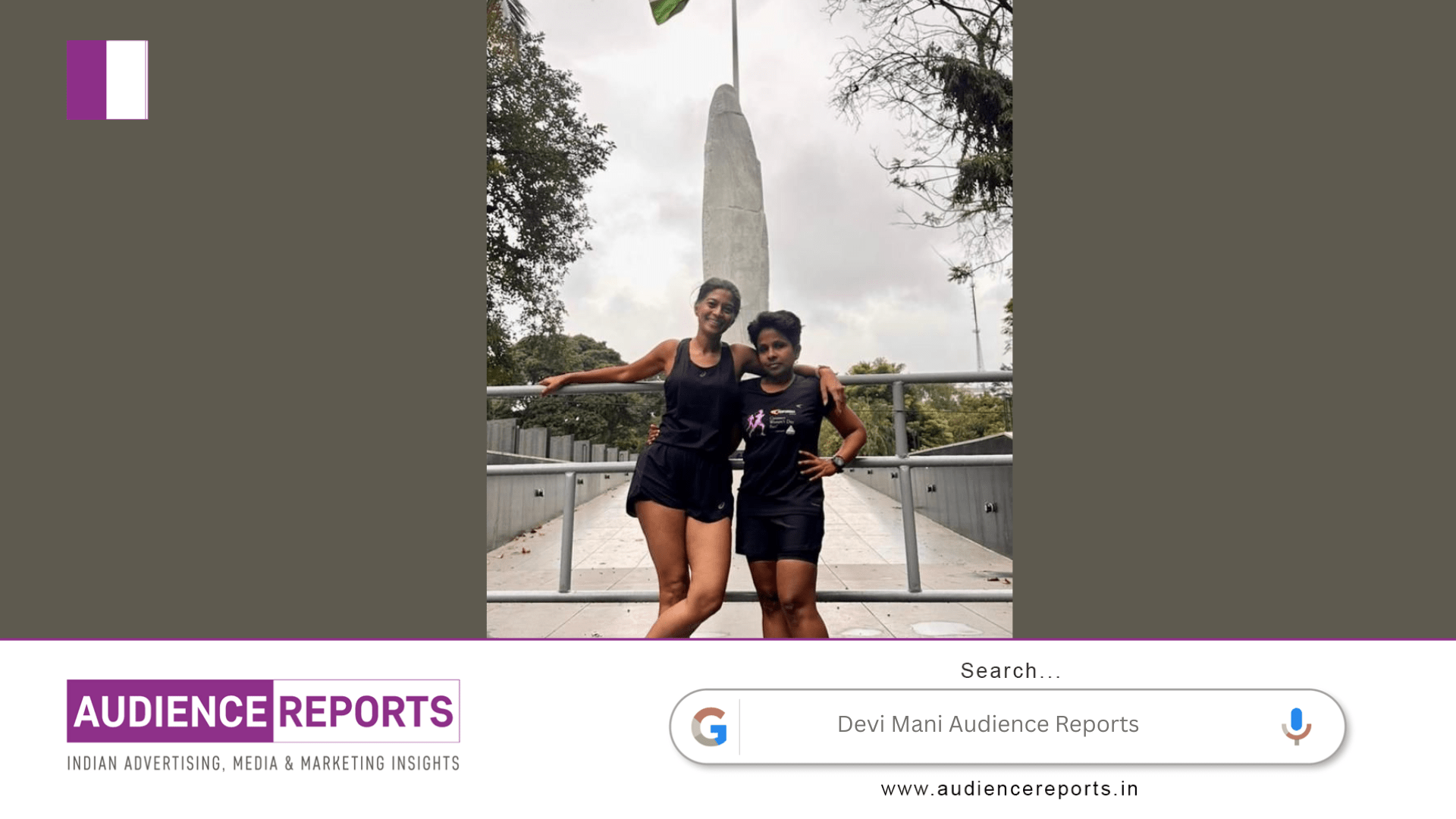
Devi Mani is Founder at Skooc and her reflections on belief, faith, and agency invite an important discussion about the choices that shape our lives. Rather than focusing only on external success, Devi Mani encourages a deeper examination of why people make certain decisions and how those decisions are influenced by the stories they have been taught since childhood. Her perspective reminds readers that lasting growth begins when individuals stop waiting for approval and start taking ownership of their own direction.
Modern society often teaches people to follow predictable paths. Work hard, be kind, meet expectations, and eventually recognition will arrive. These messages appear reasonable because they have been repeated across generations. Devi Mani highlights how these beliefs can become invisible rules that influence careers, relationships, health decisions, and personal ambitions. While discipline and commitment remain valuable qualities, expecting guaranteed rewards from every effort can lead to disappointment when reality unfolds differently.
Belief plays a significant role in human behaviour. It creates confidence, encourages persistence, and helps people pursue meaningful goals. Yet belief can also become transactional when individuals assume that following a prescribed formula will always produce a specific outcome. Devi Mani points out that many people unknowingly operate within these invisible algorithms, expecting life to reward them simply because they followed every instruction. When the expected reward fails to appear, self-doubt often replaces confidence.
This pattern is especially visible in the expectations placed upon women. From an early age, many are encouraged to prioritize harmony, sacrifice, and acceptance. Success is often measured by how well they meet social expectations rather than how authentically they pursue their own aspirations. Devi Mani raises an important question about whether these traditional formulas genuinely empower women or simply encourage them to seek validation from systems that may never fully acknowledge their efforts.
Faith is another powerful force in people’s lives. Genuine faith can provide resilience during uncertainty and help individuals remain committed to their values. However, Devi Mani distinguishes between authentic faith and passive surrender. True faith is not about abandoning responsibility or waiting for someone else to determine one’s future. Instead, it is rooted in integrity, purpose, and the courage to continue despite uncertainty. This distinction encourages readers to reconsider how they define trust, resilience, and perseverance.
Many individuals discover that the promises they relied upon throughout their lives do not always materialize. Careers may stall despite years of dedication. Relationships may not reflect the sacrifices invested in them. Personal dreams may remain unrealized despite following every accepted rule. Devi Mani explains that these moments can become turning points because they reveal the limitations of relying solely on external validation. Rather than seeing disappointment as personal failure, people can begin questioning whether the underlying assumptions were ever realistic.
One of the most compelling ideas presented by Devi Mani is the importance of agency. Agency represents the ability to make conscious choices independent of external approval. It is the willingness to act because something aligns with personal values rather than because it guarantees recognition. This perspective shifts attention away from outcomes that cannot always be controlled and places greater emphasis on actions that remain within an individual’s control.
Agency also changes how people approach setbacks. Instead of interpreting obstacles as evidence that they are incapable, they begin viewing challenges as opportunities to reassess strategies and continue moving forward. Devi Mani reminds readers that resilience is not built by avoiding failure but by continuing to make thoughtful decisions despite uncertainty. This mindset creates flexibility, confidence, and long-term growth.
The experiences shared through Skooc provide another meaningful dimension to this discussion. Many women later in life reflect on decades spent fulfilling expectations that never fully reflected their own ambitions. Devi Mani observes that frustration or disappointment is often misunderstood as personality rather than recognized as the consequence of repeatedly placing personal agency behind societal expectations. These reflections encourage broader conversations about identity, purpose, and personal choice.
The concept of agency is valuable not only for women but for everyone navigating complex personal and professional lives. Every individual encounters moments when external approval becomes uncertain. Promotions may not arrive as expected. Businesses may face setbacks despite careful planning. Families may experience changing priorities. Devi Mani demonstrates that while circumstances cannot always be controlled, personal responses remain within individual choice.
Building one’s own framework for success requires continuous learning and self-awareness. Instead of relying exclusively on inherited definitions of achievement, people benefit from identifying what truly matters to them. Devi Mani encourages readers to develop their own principles, evaluate their own progress, and remain connected to values that extend beyond recognition or praise. This approach creates a stronger foundation for sustainable personal development.
Another important lesson is the relationship between integrity and independence. Agency does not reject belief or faith. Instead, it complements them. Belief provides motivation. Faith provides stability. Agency transforms both into meaningful action. Devi Mani presents these ideas not as competing concepts but as qualities that work together when balanced thoughtfully. Such balance allows individuals to remain hopeful while continuing to make deliberate decisions regardless of external circumstances.
Personal growth rarely follows a straight path. Every meaningful journey includes uncertainty, adaptation, and reflection. Devi Mani reminds readers that genuine confidence develops through repeated choices rather than guaranteed outcomes. By choosing action over hesitation and responsibility over dependence, individuals gradually create lives that reflect their own values rather than inherited expectations.
Ultimately, the message shared by Devi Mani encourages a shift in perspective. Instead of measuring success solely by recognition, people can evaluate success by the consistency of their decisions, the integrity of their actions, and the courage to continue learning. Agency becomes more than a concept; it becomes a daily practice of making intentional choices even when results remain uncertain.
The reflections offered by Devi Mani serve as a thoughtful reminder that while beliefs inspire us and faith strengthens us, agency empowers us to shape our own future. It is through conscious decisions, continuous learning, and personal responsibility that individuals create meaningful progress and lasting fulfillment.