











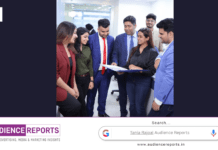




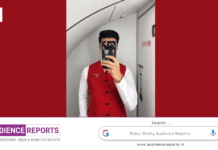











Riya Upreti shares a meaningful perspective on success, family, independence, and the importance of allowing people to experience their own journeys. Her LinkedIn post about her brother refusing to join her successful business highlights an important lesson: not every opportunity that makes life easier necessarily makes life better. Sometimes, the experiences we try to protect others from are exactly the ones they need to grow.
Riya Upreti explains that after her brother finished high school, her parents suggested he join her company. It seemed like a sensible decision. He would have a secure position, a comfortable salary, access to professional networks, mentorship, and the opportunity to work within a business that had already been established. From the outside, it looked like an ideal beginning.
However, her brother saw the opportunity differently. He wanted to build his own career, face his own struggles, and experience the process of earning his place in the professional world. His decision was not a rejection of his sister’s success but a desire to create a journey that belonged to him.
What makes Riya Upreti’s story interesting is the difference between receiving an opportunity and developing the ability to create one. Joining an established business can provide stability, but building something independently can teach resilience, patience, accountability, and confidence. These lessons are often difficult to acquire when every obstacle has already been removed.
Riya Upreti’s brother understood that convenience could sometimes come at the cost of personal growth. He did not want to inherit the benefits of someone else’s hard work without discovering what he could accomplish on his own. His decision reflects a mindset that values independence over comfort and learning over immediate security.
This perspective is relevant to families, entrepreneurs, leaders, and mentors. People who have struggled to achieve something naturally want to make life easier for those they care about. They want to provide better opportunities, remove unnecessary obstacles, and offer the support they may not have received themselves. While these intentions are valuable, there is a difference between helping someone move forward and deciding the entire path for them.
Riya Upreti highlights this difference through her reaction to her brother’s choice. Rather than insisting that he accept the opportunity, she took the time to understand his reasoning. That moment of understanding reflects an important part of leadership: recognizing that people may have different definitions of success, even when they are standing in front of the same opportunity.
Success is not always about having access to the best resources, the strongest connections, or the easiest starting point. For some people, success also means knowing that they earned their progress through their own decisions, effort, and persistence. The process of struggling, making mistakes, and finding solutions can create a sense of ownership that no comfortable position can automatically provide.
Riya Upreti’s experience also reminds us that support does not have to mean control. A mentor can provide guidance without making every decision. A parent can offer security without dictating a career. An older sibling can share knowledge without expecting the younger one to follow the same path. Sometimes, the most meaningful support is simply being available when someone needs advice while allowing them to make their own choices.
The professional world is full of uncertainties. People face rejection, financial pressure, competition, changing expectations, and moments when they question their abilities. These experiences may not always be pleasant, but they often help individuals discover their strengths and weaknesses. When people are given the space to face challenges, they gradually develop the confidence to handle situations without depending entirely on others.
Riya Upreti’s brother chose to experience that process himself. His decision shows that opportunities are not only valuable because of what they provide today but also because of what they help someone become tomorrow. A comfortable beginning may offer immediate advantages, while an independent beginning may create lessons that remain useful throughout an entire career.
There is also an important lesson for business owners. Building a successful company requires years of effort, sacrifice, decision-making, and learning from failures. Naturally, founders want their businesses to create opportunities for their families. However, allowing the next generation to explore its own interests can help ensure that their achievements are based on genuine ability, commitment, and personal ambition rather than inherited convenience.
Riya Upreti’s story is a reminder that every individual deserves the freedom to define their own success. The paths people choose may be slower, more uncertain, or completely different from what others expect. That does not make those paths less valuable.
Ultimately, the greatest gift we can offer someone is not always a ready-made opportunity. It can be the confidence to pursue their own dreams, the freedom to make their own decisions, and the reassurance that support will remain available even when the journey becomes difficult. Riya Upreti’s post captures this simple but powerful idea: helping someone grow sometimes means allowing them to walk their own path, even when we have the ability to make the road easier.