





























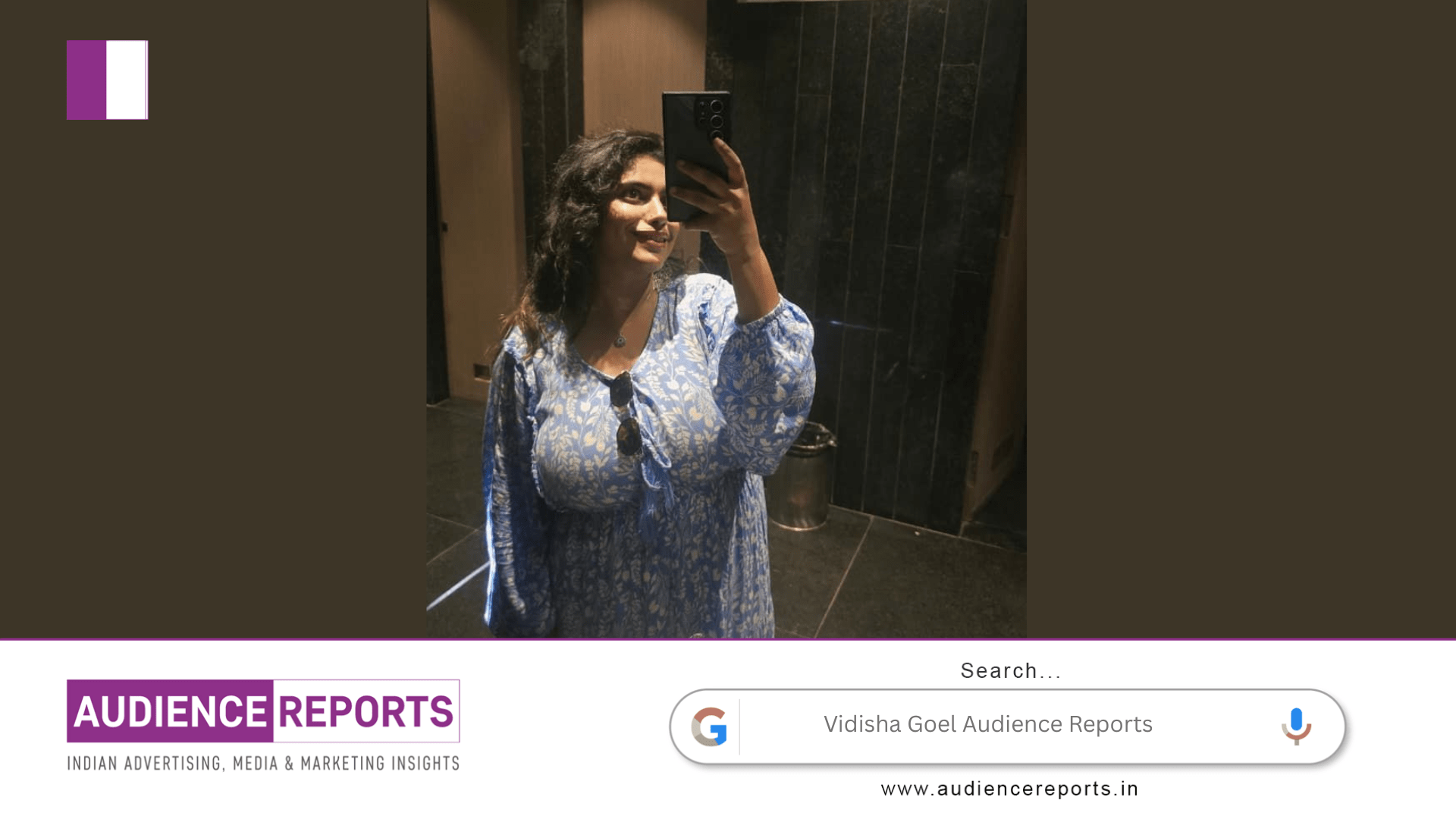
Vidisha Goel reminds professionals that lasting success in business development rarely comes from speaking the loudest. Instead, it grows from understanding people, identifying their challenges, and offering meaningful solutions. As a Business Development Specialist, M&A at Corum Group Ltd. , Vidisha Goel reflects on more than seven years of experience in lead generation to highlight a lesson that continues to shape her professional approach. Vidisha Goel explains that while many newcomers believe sales is about persuasive conversations and polished pitches, real progress begins when professionals focus on listening. Vidisha Goel demonstrates that every conversation becomes more valuable when the objective shifts from selling a product to solving a genuine business problem.
Many professionals enter sales believing that confidence, communication skills, and persuasive presentations are enough to win opportunities. Training programs often emphasize objection handling, negotiation tactics, and presentation techniques. While these abilities certainly matter, they become far more effective when supported by curiosity and empathy. Vidisha Goel shows that communication is not simply about delivering information; it is about understanding what the other person truly needs before offering a solution.
Every prospect brings a unique perspective, different priorities, and distinct business objectives. One organization may focus entirely on measurable returns and financial performance. Another may prioritize long-term partnerships, operational efficiency, or strategic growth. Vidisha Goel points out that treating every prospect with the same message overlooks these important differences. Listening carefully allows professionals to uncover motivations that are often hidden beneath initial conversations.
Business development has changed significantly over the past decade. Buyers today have access to unlimited information before they ever respond to a sales outreach. They research products, compare competitors, and evaluate reviews independently. Because of this, conversations that revolve around generic pitches rarely stand out. Vidisha Goel highlights that meaningful engagement starts when professionals approach every interaction with genuine curiosity rather than assumptions.
The transition from selling to problem-solving represents one of the most valuable mindset shifts in modern business development. Instead of asking how to close a deal quickly, professionals begin asking what obstacles their prospects are trying to overcome. This subtle change transforms the entire conversation. Rather than presenting features immediately, they explore challenges, objectives, and priorities.
Vidisha Goel emphasizes three thoughtful questions before every outreach. First, what challenge might this individual currently be facing? Second, how can genuine value be provided? Third, is the conversation centered on the customer’s needs rather than personal achievements? These questions encourage preparation, empathy, and relevance before the first message is ever sent.
Trust develops gradually through consistent actions rather than persuasive language alone. Every interaction either strengthens or weakens credibility. Professionals who demonstrate sincere interest in understanding a client’s situation often create stronger relationships than those who focus only on immediate transactions. Vidisha Goel reminds readers that trust is the true foundation of long-term business relationships, especially in industries where decisions involve significant investments and strategic partnerships.
Listening also improves qualification. Not every prospect requires the same solution, and not every opportunity is the right fit. By asking thoughtful questions and paying close attention to responses, professionals can determine whether their offering genuinely addresses the prospect’s needs. This approach saves time for both parties while building respect and transparency throughout the sales process.
Another important lesson reflected in Vidisha Goel ‘s perspective is the importance of personalization. Modern buyers receive countless outreach messages every week. Generic emails and scripted calls often disappear among hundreds of similar communications. Personalized outreach, however, demonstrates preparation and respect. Referencing a prospect’s business priorities, industry developments, or current challenges creates conversations that feel relevant instead of promotional.
Technology has undoubtedly transformed lead generation. Artificial intelligence, automation platforms, customer relationship management systems, and analytics tools now help professionals identify prospects more efficiently than ever before. Yet technology cannot replace authentic human understanding. Vidisha Goel indirectly highlights that while digital tools improve efficiency, successful business development still depends on genuine conversations between people.
The most successful business developers often share a common characteristic: continuous learning. Every meeting, successful or unsuccessful, offers valuable insights. Lost opportunities reveal areas for improvement, while successful partnerships demonstrate which approaches create meaningful value. Vidisha Goel reinforces the idea that experience is not simply measured by years but by the willingness to reflect, adapt, and improve after every interaction.
Empathy has become one of the strongest competitive advantages in today’s business environment. Organizations increasingly prefer partners who understand their objectives instead of merely promoting products. Professionals who invest time in understanding industry trends, operational challenges, and long-term goals naturally create more productive discussions. This customer-first mindset strengthens relationships well beyond the initial agreement.
Another valuable takeaway from Vidisha Goel ‘s reflection is patience. Building trust requires consistency. Meaningful business relationships rarely develop after a single conversation. They grow through regular communication, dependable follow-ups, valuable insights, and genuine interest in helping clients succeed. Professionals who appreciate this process often achieve more sustainable results than those focused only on immediate conversions.
Ultimately, Vidisha Goel reminds us that business development is about people before processes. Metrics, outreach strategies, and sales methodologies all contribute to success, but they become significantly more effective when guided by authentic understanding. Listening creates clarity, clarity builds trust, and trust creates opportunities for long-term collaboration.
The lesson shared by Vidisha Goel extends beyond sales teams. Leaders, consultants, entrepreneurs, marketers, and customer success professionals all benefit from placing understanding ahead of persuasion. Every meaningful business relationship begins with a conversation where someone feels heard. When professionals prioritize solving problems instead of simply making pitches, they create lasting value for clients and sustainable growth for their organizations. That enduring principle continues to define effective business development, making Vidisha Goel ‘s experience both practical and highly relevant for professionals navigating today’s relationship-driven business landscape.