

















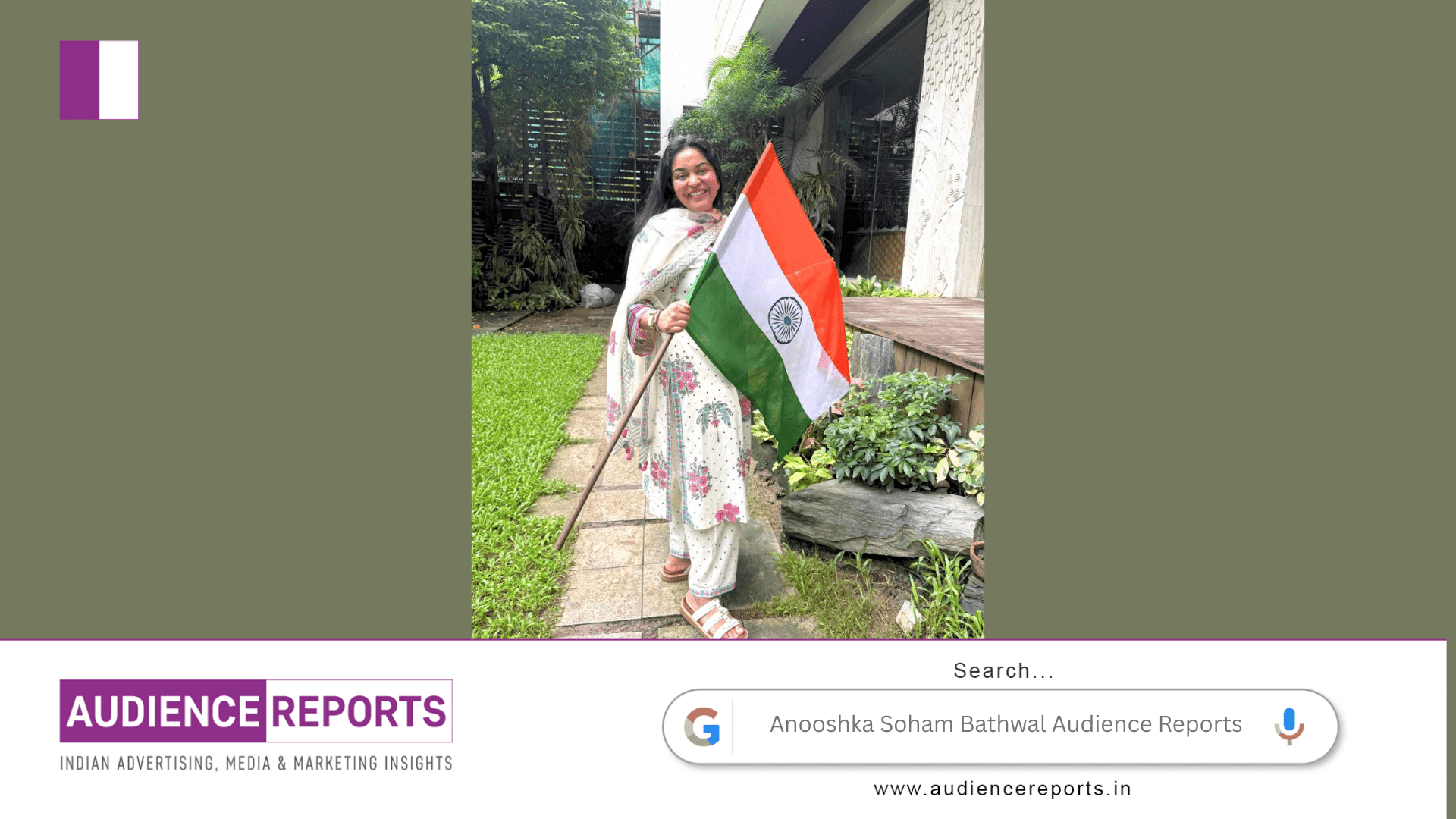
Anooshka Soham Bathwal’s reflection around Independence Day begins with a question that is deceptively simple: Am I actually giving back, or am I just saying I am? It is a question that moves beyond patriotic language and asks what contribution really means when it becomes part of everyday life.
For Anooshka Soham Bathwal, the answer did not emerge from a grand declaration. It developed through observation, travel, conversations, and encounters with women whose responsibilities often extended far beyond what others could see. She noticed women managing households, supporting families, and sometimes running businesses, while still having limited opportunities to openly discuss their own financial futures.
That observation became an important turning point for Anooshka Soham Bathwal. Instead of defining service only through traditional examples of sacrifice, she began looking at contribution through the lens of financial awareness. Her post recognizes soldiers, teachers, and civil servants who dedicate themselves to the country, but it also expands the meaning of service to include the woman quietly holding her family together.
For Anooshka Soham Bathwal, the question is not simply whether women earn money. It is whether they understand it, make decisions about it, and have the confidence to plan for themselves.
That distinction matters.
Financial independence is often discussed through income, employment, or entrepreneurship. Yet there is another dimension that receives less attention: financial understanding. A woman can contribute substantially to her household and still feel uncertain about investments, savings, retirement planning, or long-term security. Anooshka Soham Bathwal’s perspective places that uncertainty at the center of the conversation.
Her work through Dhanvesttor reflects this philosophy. Rather than presenting financial participation as an abstract idea, Anooshka Soham Bathwal connects it to ordinary conversations. What does a woman want her money to accomplish? What does security mean to her? Does she understand the financial products she owns? Has anyone explained the choices available to her without assuming that she already knows the language of finance?
These questions can appear basic, but they can become powerful when someone finally takes the time to ask them.
Anooshka Soham Bathwal also makes an important personal connection in her post. She writes about knowing what it feels like to be in a room where nobody expects a woman to have a financial conversation. That experience gives another layer to her mission. The objective is not simply to provide information; it is to make financial conversations feel legitimate and accessible for women.
The story of Dhanvesttor beginning in Kolkata is equally significant. Anooshka Soham Bathwal describes Kolkata not merely as a business location but as home. That decision suggests that meaningful change does not always have to begin somewhere considered commercially obvious. Sometimes it begins in a place that has personal meaning and where the founder understands the community and its context.
For Anooshka Soham Bathwal, giving back therefore becomes less about scale and more about depth.
One woman understanding her first mutual fund statement may not look like a dramatic national milestone. Yet the significance lies in what that understanding represents. When someone can read a financial statement, question an investment, understand risk, and make an informed decision, the relationship with money changes.
That is where Anooshka Soham Bathwal’s message becomes particularly relevant to the broader conversation about independence.
Political independence and personal independence are not the same thing. A nation can celebrate freedom while individuals still struggle to exercise control over important areas of their lives. Financial decision-making is one such area. For many women, becoming financially informed can be a gradual process rather than a single breakthrough moment.
Anooshka Soham Bathwal frames that process as something women can build themselves. Her emphasis is not on waiting for financial freedom to be handed over, but on developing it through repeated decisions.
That approach also places responsibility on the individual without ignoring the importance of access and education. Financial empowerment requires more than telling women to invest. It requires creating environments where questions are welcomed, financial concepts are explained clearly, and women are encouraged to see their own future as worthy of planning.
Anooshka Soham Bathwal’s Independence Day reflection ultimately challenges the familiar idea that giving back must always look heroic. Sometimes contribution is quieter. Sometimes it is a conversation that helps another person understand something that once seemed intimidating.
For Anooshka Soham Bathwal, that conversation is about money, but its deeper subject is agency.
The woman who understands her investment statement today may be better prepared to make tomorrow’s financial decision. The woman who begins asking questions may become more confident about her choices. And the woman who starts planning for her own future may gradually redefine what financial independence means within her family.
Anooshka Soham Bathwal’s message is therefore not simply about Dhanvesttor or financial education. It is about recognizing that independence has many forms. Some are celebrated publicly; others are built privately.
Anooshka Soham Bathwal’s answer to the question of giving back is still evolving, as she acknowledges. But its direction is clear: create more opportunities for women to understand their money, participate in financial decisions, and build a future that belongs to them.
Perhaps that is one meaningful way to think about freedom this Independence Day—not only as something inherited from history, but as something continuously built through informed choices.
And for Anooshka Soham Bathwal, one honest financial conversation can be the beginning of that journey.