









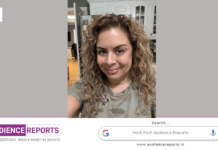







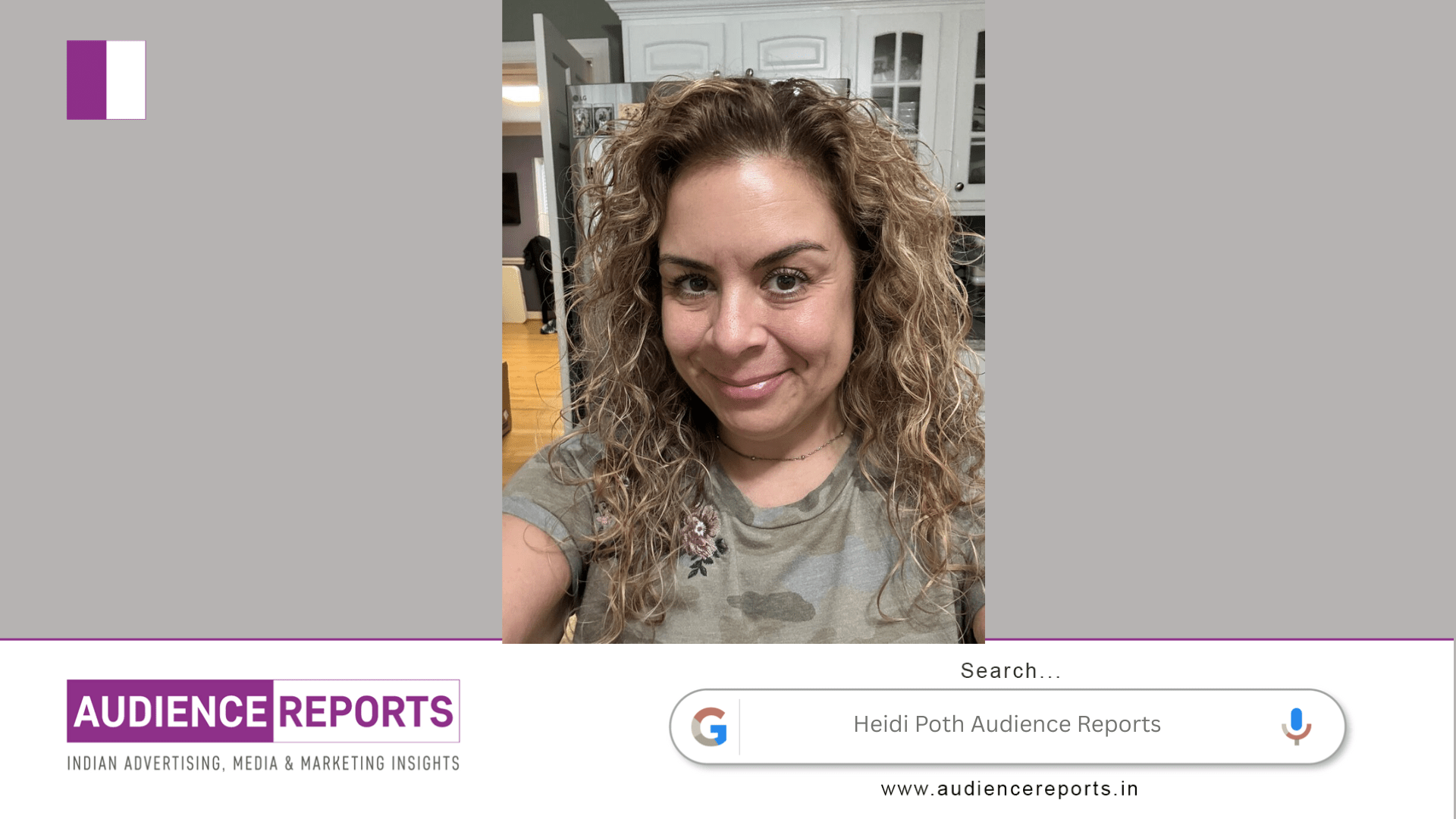
Heidi Poth begins her birthday week with something more meaningful than a celebration: reflection. Another year has brought her a deeper understanding of wellness and a realization that health is not simply measured by age, weight, or numbers on a scale. For Heidi Poth, the more important question is how a person actually feels while living in their body.
That perspective comes from personal experience. Over the past couple of years, Heidi Poth has experienced her own health journey, including losing more than 40 pounds. While that achievement is significant, she makes an important distinction: weight loss is only one part of the story. The larger transformation is about becoming stronger, more energetic, capable, confident, and comfortable in her own skin.
This is where Heidi Poth’s message becomes relevant to a much broader conversation about wellness. Health is often presented as a destination with a specific number attached to it. People may focus on the scale, clothing size, appearance, or a particular fitness goal. But Heidi Poth encourages a different way of thinking. Instead of asking only, “How much have I lost?” it can be more useful to ask, “What can I do now that feels better than before?”
Looking Beyond the Number
Heidi Poth’s reflection challenges the idea that wellness should be reduced to statistics. Numbers can provide useful information, but they cannot completely describe someone’s experience of health.
Feeling strong matters. Having enough energy to move through the day matters. Being able to participate in activities without feeling limited matters. Confidence matters. Feeling comfortable and capable in your own body matters.
For Heidi Poth, these elements have become more meaningful than the number on the scale. That shift represents an important change in perspective because sustainable wellness is rarely about one dramatic decision. It is usually created through repeated choices.
The food we eat, the nutrients we provide our bodies, the way we move, the way we recover, and even the way we care for our skin and surroundings can all become pieces of a larger routine.
Small Choices Can Create Bigger Changes
One of the strongest ideas in Heidi Poth’s post is the recognition that everyday decisions can accumulate over time.
Wellness does not always require a complete lifestyle overhaul. Sometimes it begins with examining what is already part of everyday life. Protein, vitamins, supplements, electrolytes, skincare, workout products, recovery products, and household products are examples Heidi Poth mentions in her post.
Her point is not that everyone needs to buy more products. In fact, she explicitly makes the opposite point: she does not believe people necessarily need more stuff. Instead, she wants to open a conversation about the choices people are already making and whether those choices support the kind of health they want.
That distinction is important.
A wellness routine should not become another source of pressure. It should be practical, personal, and sustainable. What works for one person may not work for another, and responsible wellness decisions should take individual needs into account.
Wellness Without Pressure
Heidi Poth also takes an interesting approach to her birthday request. Rather than asking people for a traditional birthday gift, she invites them to share something they would like to change about their health or wellness during the coming year.
That turns a personal milestone into an opportunity for conversation.
For Heidi Poth, the invitation is simple: think about your own health goals. Maybe you want to become stronger. Perhaps you want more energy. You might want to improve your mobility, become more consistent with exercise, change your nutrition habits, or simply feel better during everyday life.
There is no single answer.
This approach makes Heidi Poth’s message less about perfection and more about awareness. Wellness does not have to mean pursuing an idealized version of yourself. It can mean understanding what your body needs and making realistic choices that support it.
Aging With Intention
Aging is another important theme in Heidi Poth’s reflection. Getting older is unavoidable, but how people experience those years can be influenced by the habits they develop.
Heidi Poth emphasizes that how we feel as we age can matter just as much as how old we are. That does not mean ignoring the natural realities of aging. Instead, it means thinking proactively about strength, energy, movement, confidence, and overall well-being.
The goal is not necessarily to look younger. It can be to live more fully in the body you have today.
That distinction creates a healthier definition of aging. Rather than constantly trying to reverse time, people can focus on maintaining capability and finding ways to feel good in their everyday lives.
Making Wellness Personal
Heidi Poth’s story also highlights the importance of personalization. There is no universal wellness formula. People have different lifestyles, preferences, bodies, goals, schedules, and circumstances.
What matters is finding sustainable choices that fit real life.
Heidi Poth’s invitation to have a conversation reflects that idea. Instead of presenting wellness as a rigid checklist, she opens the door to discussion. Someone may begin with one small change and gradually build from there.
The most meaningful progress does not always look dramatic from the outside. Sometimes it is simply having more energy for your family, feeling stronger during a walk, recovering better after exercise, or gaining confidence in everyday movement.
A Birthday Question Worth Considering
Ultimately, Heidi Poth’s birthday reflection leaves readers with a question rather than a prescription: What is one thing you would like to change about your health or wellness this year?
It is a simple question, but answering it honestly can be valuable.
Heidi Poth’s journey demonstrates that wellness can evolve as our understanding of ourselves evolves. Losing weight may be part of that journey, but it does not have to define the entire journey.
Strength, energy, capability, confidence, and comfort can become equally important measures of progress.
Heidi Poth is not presenting wellness as perfection. Instead, her message points toward something more practical: paying attention to the small decisions that shape how we feel every day.
And perhaps that is a meaningful way to approach another year not by focusing only on getting older, but by asking how we can become healthier, stronger, and more capable with the years we have ahead.