

























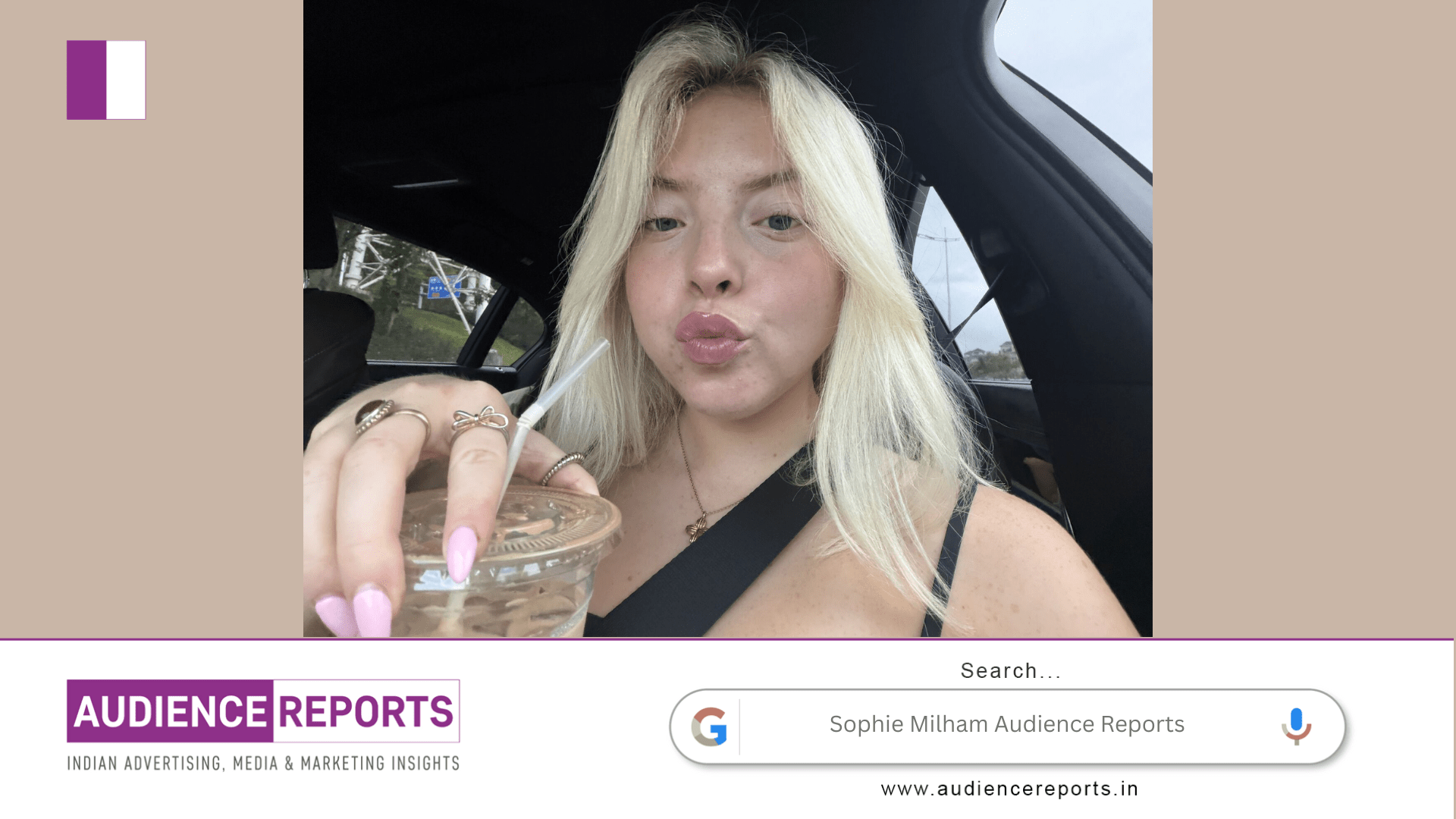
Sophie Milham has spent the last three years at Odd Muse developing a close understanding of the people and processes behind the brand’s products. As Founder Brand Manager at Odd Muse, her role has given her an unusual perspective on the relationship between a fashion brand, its manufacturers, its founders, and its audience. Her recent experience in China demonstrated how that knowledge could become something much more valuable than internal company knowledge: authentic, engaging content.
For Sophie Milham, the trip represented a first in several ways. It was her first time visiting China, her first experience in Asia, and her first opportunity to meet many of the people behind the products she had previously known primarily through stories, conversations, vlogs, and office discussions. That transition from knowing about suppliers to actually meeting them created the foundation for a very different kind of storytelling.
Sophie Milham’s post highlights an important shift in modern brand communication. Audiences increasingly want to understand what happens behind a finished product. They want to see the people, decisions, challenges, environments, and everyday moments that are usually hidden from customers. Rather than presenting manufacturing as a distant part of the supply chain, the China content brought viewers closer to the people involved.
Over the years, Odd Muse had already shared glimpses of its manufacturing process. Factory footage, sample fittings, buying trips, and conversations around fast fashion had helped create transparency. However, Sophie Milham and Aimee Smale decided to take that approach much further by documenting the entire trip.
What initially began as a simple idea a vlog about a Monday in the China office quickly developed into a daily content series. There was no rigid script dictating every moment. Instead, the structure was simple: introduce the day, provide updates, and finish with a closing. Everything in between could develop naturally.
That flexibility became one of the strengths of the series.
Sophie Milham understood that social media content does not always need to feel perfectly planned to be effective. In fact, some of the most compelling moments can come from situations that were never included in the original plan. Sample fittings, previews of future products, conversations with manufacturers, office routines, and even informal evening moments gave viewers a broader understanding of the people behind Odd Muse.
Another significant part of Sophie Milham’s approach was experimentation. Each day became an opportunity to learn what audiences responded to. Different hooks were tested. Some videos began with teasing overlays, while others used morning montages. In some cases, the strongest moment was placed at the beginning to encourage viewers to continue watching.
This is a useful reminder that social media strategy is not always about creating one perfect formula. It can also involve observing, testing, adapting, and repeating.
Behind the seemingly effortless content was considerable work. Sophie Milham describes spending evenings editing the footage, reviewing the day’s material, and refining videos until they felt right for Aimee’s social channels. The volume of footage created during the trip meant that the challenge was not finding something to post. The challenge was deciding what deserved to be shown and how it should be presented.
The results demonstrate the potential of this approach. Across 20 pieces of China-related content, the series generated 3 million Instagram views and 2.2 million TikTok views, producing 5.2 million combined views. The content also generated more than 261,000 engagements and contributed to 12,459 new followers across both platforms during the run.
However, the numbers are only one part of the story.
Sophie Milham points out that the campaign did not begin with a formal strategy. Instead, the team recognized an opportunity to use Aimee’s personal platform to tell a bigger story. That story combined education, entertainment, transparency, and a founder’s perspective.
This illustrates an increasingly important principle in digital marketing: audiences often connect with context as much as they connect with products. Showing how something is made, introducing the people involved, and allowing customers to experience a journey can create a stronger relationship than simply showing the final product.
Sophie Milham’s experience also demonstrates the value of giving content room to evolve. The original idea was small, but the audience response helped transform it into a larger series. Rather than forcing every piece of content into a predetermined structure, the team allowed the audience to influence what came next.
For brands, this can be a powerful lesson. Content does not always have to begin with a complicated campaign document. Sometimes it begins with access to an interesting environment, a willingness to document it honestly, and enough curiosity to discover what happens next.
Sophie Milham’s China experience also highlights the human side of brand building. Manufacturers were not simply presented as people who produced garments. They became part of the narrative. Viewers could see their workplaces, personalities, routines, and relationships with the brand team.
That human connection is particularly relevant in fashion, where customers increasingly ask questions about production, transparency, sustainability, and the people behind the products they purchase.
Ultimately, Sophie Milham’s post is less about a successful trip and more about what happens when brands allow audiences behind the curtain. The China series turned an ordinary business journey into an ongoing story. It showed that education does not have to be formal, transparency does not have to be complicated, and social content does not always need to feel heavily produced.
Sophie Milham’s approach demonstrates that effective storytelling can emerge from genuine access and thoughtful editing. The strongest lesson is not that every brand needs to copy the same format. Instead, brands should look closely at the experiences they already have and ask whether those experiences could become meaningful stories for their audiences.
Sophie Milham is already looking ahead to another China trip, and the possibility of a second series suggests that the experiment may have created something worth continuing. Whether the next chapter includes a camera crew or remains as spontaneous as the first, the underlying principle remains the same: people want to see the real story behind the brand.
For Sophie Milham, that story began with manufacturers she had known from a distance. By bringing those relationships into the public conversation, she helped transform behind-the-scenes knowledge into content that people could watch, understand, and engage with.