





























Amr Massry, an expert in media, technology, and AI-powered products, has raised an important question about Kuwait’s startup ecosystem: What happened to the startup wave that once promised to transform the country’s business landscape? His recent LinkedIn post examines the progress, challenges, and changing realities of Kuwaiti startups, moving the conversation beyond funding announcements and launch events toward the more difficult question of long-term survival.
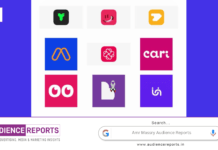
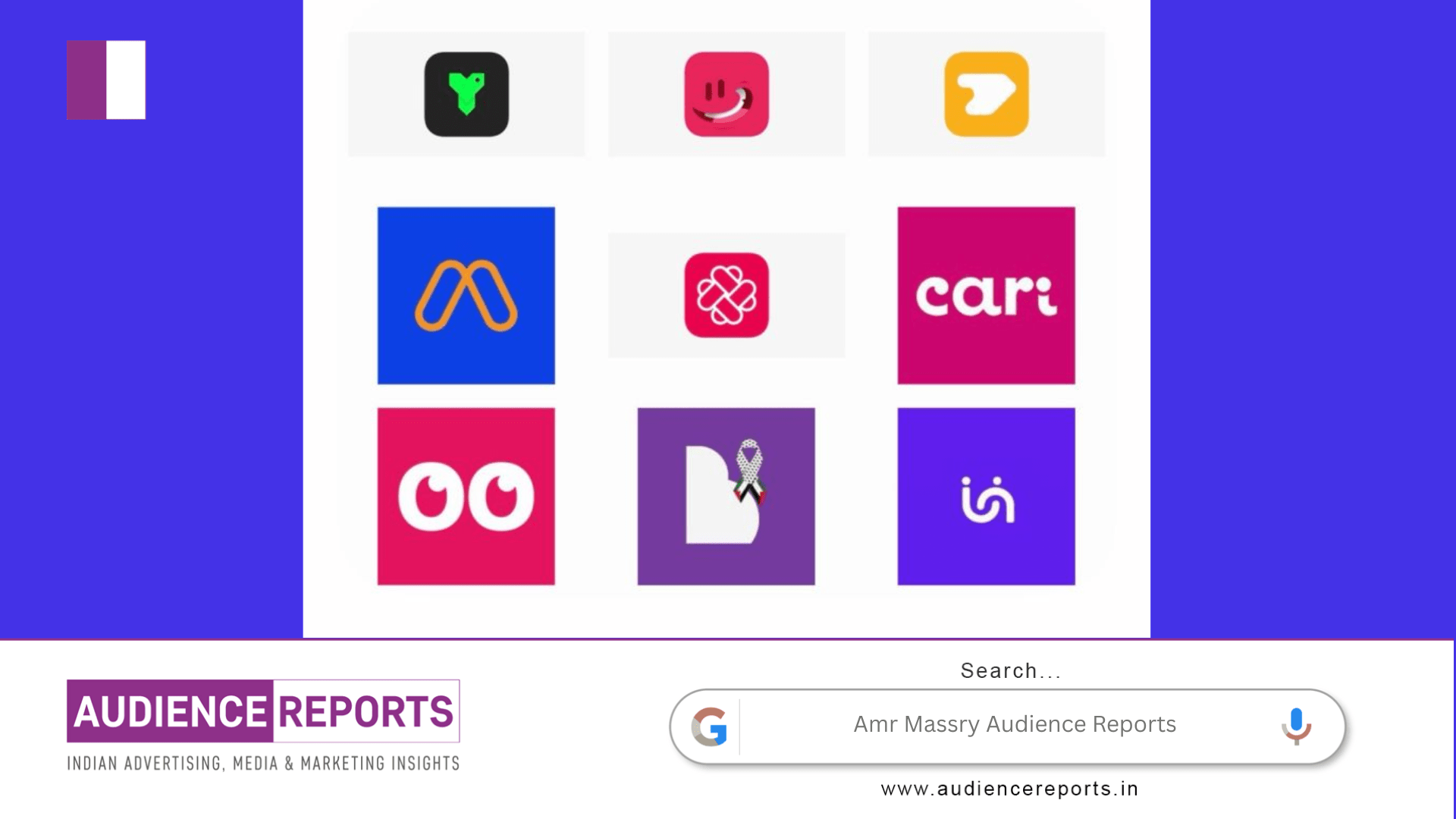
Over the past five years, Kuwait has seen ambitious startups enter the market, attract customers, raise capital, and challenge established industries. Some businesses grew into recognizable brands. Others pivoted toward new opportunities, while several reduced their operations or disappeared from the market. Amr Massry identifies examples including Get Dukan, CARI, Looksie, Markaa, Blockat, Swiitch, Punch, and Yiswa. These cases illustrate how quickly the startup landscape can change, even when a business begins with a promising idea and strong ambition.
The important point in Amr Massry’s analysis is that a startup’s disappearance should not automatically be treated as a failure of entrepreneurship. Every business that enters the market contributes something to the ecosystem. Startups create employment opportunities, introduce new products, encourage competition, and demonstrate possibilities for future founders. Even when a company closes, its experience can provide valuable lessons about customers, operations, funding, and market demand.
Amr Massry also brings personal experience to the discussion through his involvement in VINCO. Building a company requires more than developing a product or securing initial investment. It involves assembling a team, managing expenses, hiring people, making difficult personnel decisions, and continuing operations when circumstances become uncertain. His experience highlights the difference between creating a startup and maintaining one over time.
This distinction is central to Amr Massry’s argument. Launching a startup in Kuwait is possible, but surviving beyond the initial stage is a much more demanding achievement. A successful launch can attract attention, investors, and early customers. However, the business must eventually demonstrate that it can generate sustainable revenue, control expenses, retain customers, and adapt to changing market conditions.
The challenges facing startups are not unique to Kuwait, but the local market presents specific questions about scale. A company may find an initial customer base within Kuwait, yet expanding into other markets requires additional capital, operational knowledge, regulatory preparation, and a clear understanding of customer needs. Amr Massry’s post encourages founders and ecosystem participants to consider these challenges before treating early traction as proof of long-term success.
One issue that deserves greater attention is profitability. Funding can help a startup build products, hire employees, and acquire customers, but it does not replace a sustainable business model. Rising customer acquisition costs can make growth increasingly expensive. If a company depends heavily on continued investment without improving its underlying economics, it may face serious pressure when investor expectations change.
Amr Massry’s observations also raise questions about how startup success is measured. Funding announcements, launch events, and company valuations are easy to communicate publicly. Profitability, customer retention, operational efficiency, and the ability to survive difficult periods are less visible. Yet these factors often determine whether a business can continue serving customers and creating employment.
A stronger startup ecosystem should therefore support founders throughout the business lifecycle. This includes access to experienced mentors, practical financial guidance, customer development support, and opportunities to build partnerships beyond Kuwait. Investors and ecosystem organizations can also help by encouraging realistic growth strategies rather than focusing exclusively on rapid expansion.
Amr Massry further emphasizes the importance of discussing shutdowns and pivots openly. Closing a company does not erase the work completed by its founders or employees. A pivot may reflect a necessary response to market conditions rather than a lack of ambition. Creating space for these conversations can help entrepreneurs learn from one another and make more informed decisions.
For Amr Massry, the future of Kuwait’s startup ecosystem depends on developing a stronger path from launching to surviving, and from surviving to scaling. The country has entrepreneurs, ideas, and access to capital. The next challenge is ensuring that promising businesses can build durable operations and reach customers beyond their initial market.
Amr Massry’s perspective offers a useful starting point for a broader discussion about entrepreneurship in Kuwait. The most important question is not simply which startups raised money or attracted attention. It is which businesses developed sustainable models, adapted to challenges, and created lasting value.
Amr Massry’s post ultimately invites founders, investors, and policymakers to look more closely at what happens after the launch. A healthier ecosystem is one where businesses can grow, change direction, or close responsibly without hiding the lessons learned along the way. Kuwait’s next startup chapter will depend not only on how many companies begin, but also on how many can build businesses that endure.