















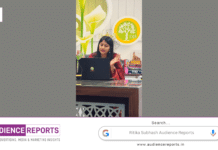
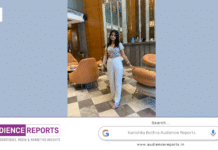

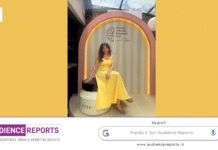







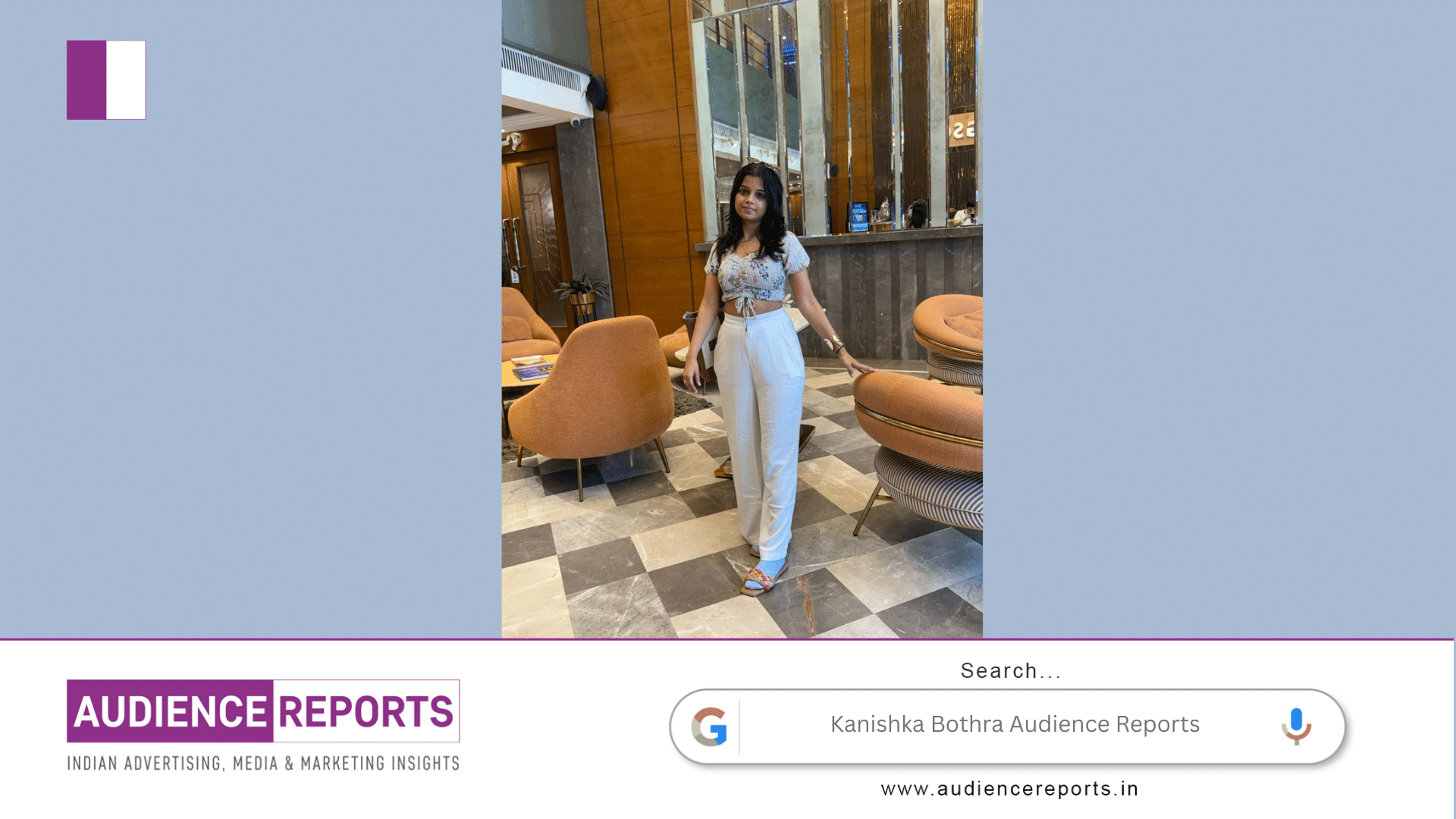
Kanishka Bothra understands that communication is rarely limited to the words people say. Her LinkedIn post about keeping cameras on during meetings reveals a simple but meaningful shift in perspective: sometimes, the most valuable part of a conversation is not what is spoken, but what can be observed.
Kanishka Bothra initially viewed cameras-on meetings with skepticism. Like many people, she questioned why seeing someone’s face was necessary while discussing something as practical as a media plan. It seemed like an unnecessary addition to an already familiar virtual meeting routine. But when Kanishka Bothra began keeping her own camera on, she discovered a different purpose behind it.
The camera was not about being seen. It was about seeing.
For Kanishka Bothra, that distinction changed the way she approached conversations. When presenting an idea, the spoken response provides only one layer of feedback. Facial expressions can provide another. A pause can indicate uncertainty. A raised eyebrow can suggest that an idea sounds ambitious. A smile or nod can signal that something has connected with the listener.
Kanishka Bothra’s observation highlights an important aspect of creative work: ideas do not exist in isolation. They are created for people, communicated to people, and ultimately judged by how people respond to them.
For a Creative Strategist like Kanishka Bothra, this kind of observation can become part of the thinking process. Strategy is not simply about producing a message and delivering it. It also involves understanding how that message is received. The reaction may reveal a question that has not been asked, an assumption that needs reconsideration, or an opportunity to explain an idea differently.
Kanishka Bothra’s experience also reflects how remote communication has changed professional interactions. A black screen may make a meeting easier to manage, but it can also remove some of the visual information that naturally exists in face-to-face conversations. Turning on a camera can restore a small part of that human connection.
What makes Kanishka Bothra’s post interesting is that it does not present a complicated theory. Instead, it comes from a personal change in perspective. She moved from wondering why people kept their cameras on to understanding why she wanted to keep hers on. That change came through experience rather than assumption.
Kanishka Bothra also connects this observation to marketing, advertising, and branding. These fields depend heavily on understanding people their attention, reactions, preferences, questions, and emotions. While data can reveal patterns, direct human interaction can reveal details that numbers may not immediately explain.
For Kanishka Bothra, paying attention to those details becomes another way of listening. A conversation is not always contained in sentences. Sometimes, it exists in the silence between them, in a facial expression, or in the moment someone reacts to an idea.
Kanishka Bothra’s message ultimately points toward a practical lesson for creative professionals: communication works better when it remains connected to the people receiving it. Whether the meeting happens across a table or through a screen, understanding the audience requires more than simply delivering information.
Kanishka Bothra’s camera-on realization is therefore less about cameras and more about attention. It is about choosing to observe, listen, and notice the signals that words alone cannot provide.
For Kanishka Bothra, seeing those reactions has become part of understanding the conversation. And in creative strategy, understanding the conversation is often where better thinking begins.