




























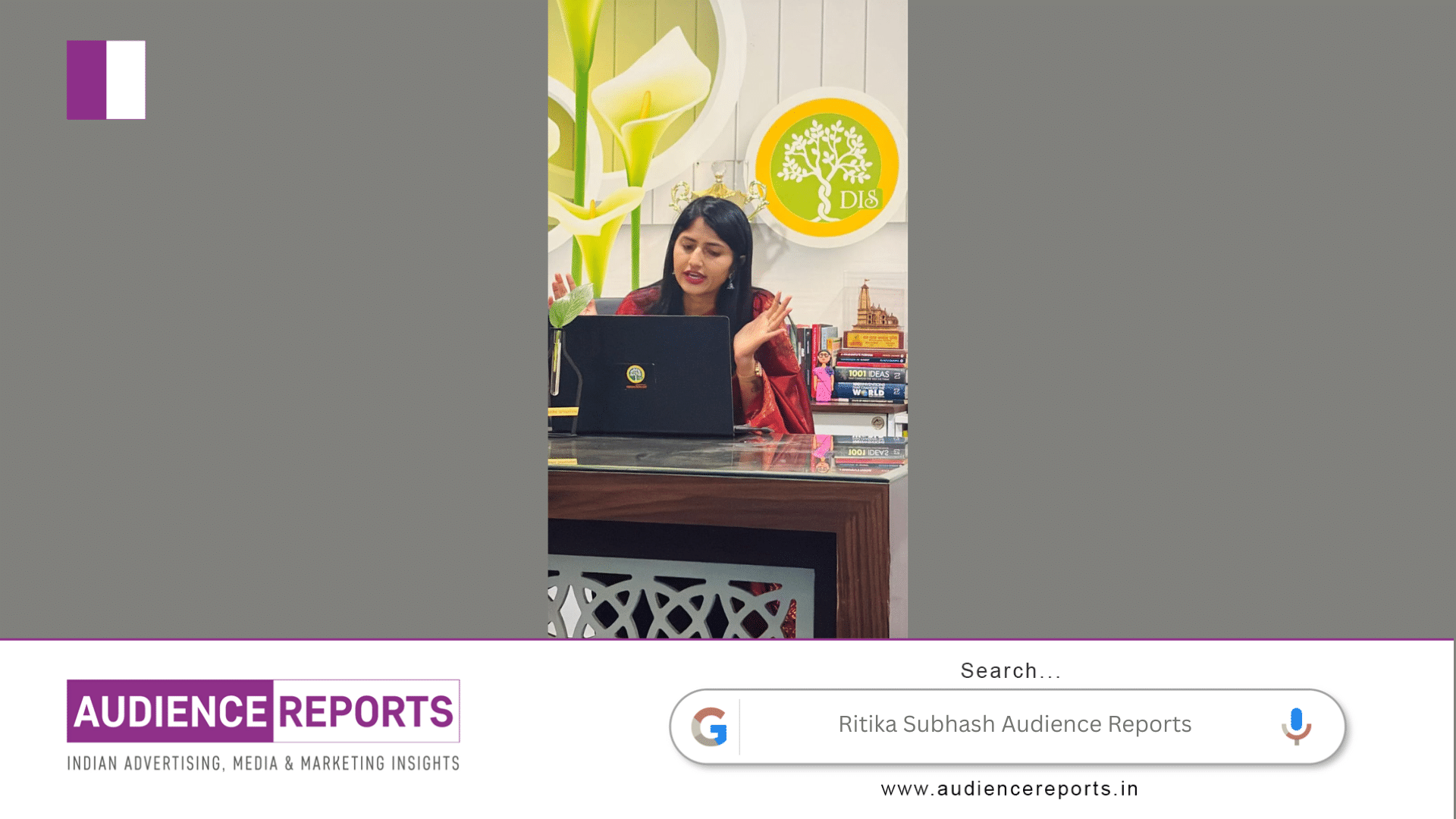
Ritika Subhash has spent 14 years working with parents, and her reflections on independence highlight a challenge that many families quietly face: wanting children to become capable while finding it difficult to step back when things become uncomfortable.
Ritika Subhash points to a common contradiction in parenting. Parents may want children who can manage their responsibilities, solve problems, and handle challenges independently. Yet, when children take too long, make mistakes, or struggle to find an answer, adults often step in. Ritika Subhash’s observation is not about blaming parents. It is about understanding what children may learn from repeated intervention.
When a parent packs a child’s schoolbag because the child is taking too long, the immediate problem is solved. When an adult provides the answer to a difficult question, frustration disappears. When parents intervene in every disagreement, the child may avoid experiencing the process of resolving conflict. Ritika Subhash’s message encourages parents to look beyond the immediate convenience and consider what these actions teach over time.
Independence is not simply allowing children to perform tasks without assistance. According to the idea shared by Ritika Subhash, independence develops when children experience responsibility, uncertainty, mistakes, and eventually progress. A child who struggles to complete something and discovers a solution gains an experience that cannot always be provided through instructions.
Ritika Subhash makes an important distinction between giving children space and leaving them unsupported. Giving space does not mean ignoring a child’s difficulties. It means remaining available while allowing the child to attempt, think, make mistakes, and try again. This approach requires patience because the process is often slower than simply doing the task for them.
For parents, this can be particularly challenging. Adults naturally want to protect children from frustration and failure. Ritika Subhash’s perspective invites parents to question whether every uncomfortable moment needs immediate intervention. Sometimes, frustration can become part of learning when a child knows that support is available but the solution is still theirs to discover.
Ritika Subhash also connects this idea to a rapidly changing future. Children will eventually face situations where there is no parent, teacher, or adult ready to provide an immediate answer. They will need to make decisions, adapt to uncertainty, communicate with others, and recover from mistakes. Preparing them for that reality requires more than teaching information.
Ritika Subhash’s work with schools, parents, educators, and organisations reflects this broader understanding of preparation. The goal is not simply to make children perform well today, but to help them develop capabilities that remain useful when circumstances change.
Perhaps the deeper lesson in Ritika Subhash’s post is that parenting sometimes involves doing less, not because children need less care, but because they need opportunities to discover their own capabilities. Ritika Subhash reminds us that independence grows through experience.
Ritika Subhash’s message ultimately shifts the question from “How quickly can I solve this for my child?” to “What can my child learn by trying?” That small change in perspective can create more opportunities for children to develop confidence, responsibility, resilience, and the ability to navigate challenges on their own.