
























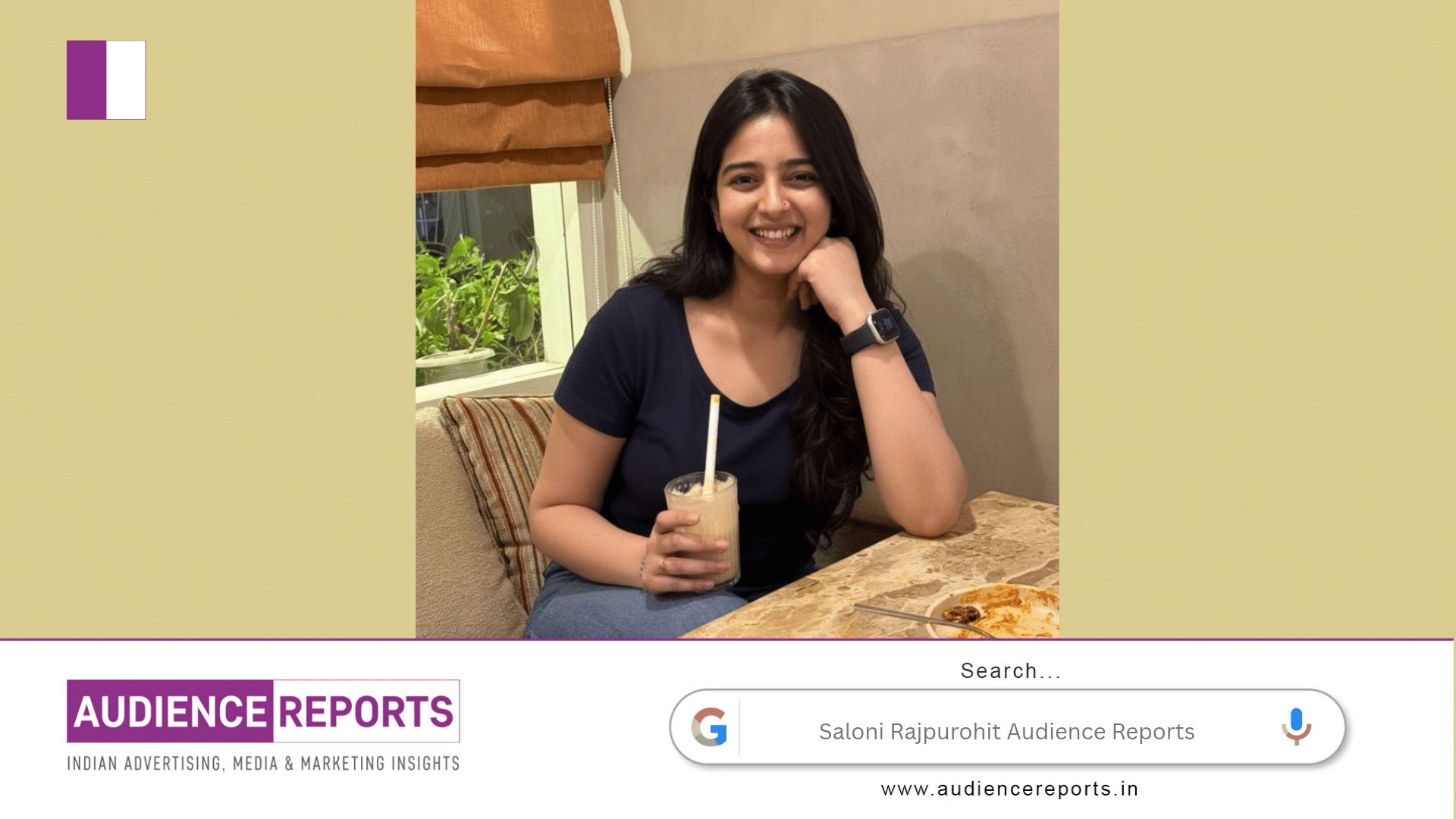
Saloni Rajpurohit believes that successful personal branding begins with something more meaningful than promoting products or services. In a digital environment where founders and entrepreneurs compete for attention, simply posting about business offerings is no longer enough to build meaningful connections. People want to understand the person behind the business before they decide to trust what that person sells. Through her LinkedIn post, Saloni Rajpurohit highlights an important reality of modern marketing: people connect with stories before they connect with services.
Many founders approach LinkedIn with one clear expectation: generate leads. They want six or seven qualified leads every month and believe that regularly publishing service descriptions, product announcements, and professionally designed graphics will help them achieve that goal. However, they often hesitate to share personal experiences, photographs, challenges, or opinions. Saloni Rajpurohit challenges this approach by explaining that expecting customers to purchase from a business without knowing its founder is an unrealistic expectation.
Business communication is important, but communication without a human connection can easily become forgettable. LinkedIn is not simply a platform where companies announce their latest achievements or describe their offerings. It is also a professional community where people exchange experiences, share ideas, discuss challenges, and develop relationships. Saloni Rajpurohit encourages entrepreneurs to understand this difference before developing their content strategies.
People Connect With People, Not Just Products
One of the strongest messages in Saloni Rajpurohit’s post is that audiences are naturally more interested in people than advertisements. Every day, professionals scroll through hundreds of posts. Most promotional announcements receive little attention because they do not provide a compelling reason for someone to stop and engage.
A post explaining what a company sells might communicate useful information, but it does not necessarily create an emotional connection. In comparison, a story about why someone started a business, the difficulties encountered during its early stages, or the lessons learned from a failed decision can create genuine interest.
Saloni Rajpurohit understands that personal stories make professional identities more relatable. They allow audiences to see the thinking, values, and experiences behind a business. When people understand the person responsible for a brand, they have more reasons to follow that individual, participate in conversations, and eventually consider becoming customers.
This does not mean that entrepreneurs should stop discussing their products and services. Instead, they should recognize that promotional content works better when supported by a recognizable personal identity.
The Importance of Sharing the Uncomfortable Parts
Building a business is rarely a straightforward journey. It involves uncertainty, difficult decisions, customer expectations, financial responsibilities, mistakes, and continuous learning. However, many entrepreneurs only share achievements and successful outcomes because they believe that professional platforms require a perfect image.
Saloni Rajpurohit presents a different perspective. She explains that sharing the messy parts of running an agency helped her build an audience of 35,000 followers. Rather than depending entirely on promotional posts, she focused on communicating real experiences from her professional journey.
This approach highlights an important lesson about authenticity. People do not necessarily expect business owners to have everything figured out. They are often interested in understanding how entrepreneurs respond when things do not go according to plan.
For example, a founder can discuss a difficult client interaction, a business decision that did not produce the expected results, or a lesson learned while managing a team. Such experiences can offer practical value to other professionals who may be facing similar situations.
Saloni Rajpurohit demonstrates that vulnerability, when shared with purpose and professional judgment, can become a valuable part of personal branding. It helps replace an artificial image of perfection with a more realistic and trustworthy professional identity.
Building Trust Before Expecting Sales
Lead generation is an important business objective, but it should not become the only purpose of every social media post. When entrepreneurs focus exclusively on immediate sales, they may overlook the relationship-building process that influences purchasing decisions.
Customers generally evaluate more than the product itself. They also consider the business owner’s credibility, communication style, expertise, reliability, and understanding of their requirements.
Saloni Rajpurohit emphasizes that followers who trust a person are more likely to become customers over time. This reflects the importance of building familiarity before making a sales proposition.
A consistent personal branding strategy gives audiences opportunities to understand what a founder represents. Educational content demonstrates knowledge, personal stories communicate values, and professional insights reveal how someone approaches business challenges.
Over time, these different forms of communication create a stronger connection between the founder and the audience.
However, trust cannot be built through storytelling alone. The experiences shared must be genuine, the information must be relevant, and the business must deliver on the expectations created through its communication. Personal branding attracts attention, but consistent professional performance sustains credibility.
Finding a Balance Between Personal and Professional Content
Another important lesson from Saloni Rajpurohit’s perspective is that entrepreneurs do not need to choose between personal stories and business-related content. Both have a role in an effective LinkedIn strategy.
Founders can discuss their services while explaining the problems those services solve. They can introduce a new product while sharing the experience that inspired its development. They can publish industry insights while explaining how their own professional experiences shaped their opinions.
For example, instead of simply announcing that an agency offers marketing services, its founder could explain a real challenge that businesses face when trying to attract customers. The post could describe the approach used to address that challenge and share the lessons learned along the way.
This makes the content informative while giving audiences an opportunity to understand the person behind the solution.
Saloni Rajpurohit’s message also encourages founders to become comfortable with showing their faces and developing a recognizable professional presence. Photographs, when used naturally, can help audiences associate a real person with the ideas and services being shared.
A More Meaningful Approach to LinkedIn Growth
LinkedIn growth should not be measured only through likes, comments, followers, or monthly lead targets. These numbers can indicate visibility, but they do not always represent the strength of professional relationships.
A smaller audience that regularly engages with relevant insights may offer more business value than a large audience with little interest in the company’s work.
Saloni Rajpurohit encourages entrepreneurs to think beyond short-term engagement and focus on creating a professional identity that people remember. This requires consistency, a clear point of view, relevant experiences, and the willingness to communicate ideas that go beyond ordinary promotional announcements.
Founders should ask themselves meaningful questions before creating content. Why did they start their business? What challenges changed their approach? What lessons would they share with someone entering the industry? What beliefs influence their decisions? These questions can become the foundation of valuable and relatable content.
The answers do not need to be dramatic. Even ordinary professional experiences can become meaningful when they offer useful insights to others.
Conclusion: Your Work Sells the Service, Your Story Builds the Connection
The central idea behind Saloni Rajpurohit’s post is that business growth requires more than repeatedly telling people what a company offers. It requires giving people a reason to pay attention, understand the founder’s perspective, and develop confidence in the business.
Her experience of building a 35,000-follower LinkedIn community through stories about agency life illustrates how personal experiences can support professional visibility. It also reinforces the idea that effective personal branding is not about constantly presenting an impressive image. It is about communicating genuine experiences, sharing knowledge, and developing meaningful relationships.
Saloni Rajpurohit offers founders an important reminder: people should not be treated simply as potential leads waiting to purchase a product. They are individuals who want to understand, evaluate, and trust the people they do business with.
A strong LinkedIn presence does not emerge from promotional graphics alone. It develops through conversations, experiences, useful perspectives, and consistent communication.
Ultimately, a business may attract attention through its products and services, but its people, values, and stories give audiences a reason to remember it. When entrepreneurs understand this distinction, LinkedIn becomes more than a platform for generating leads. It becomes a space for building credibility, relationships, and sustainable business opportunities.