























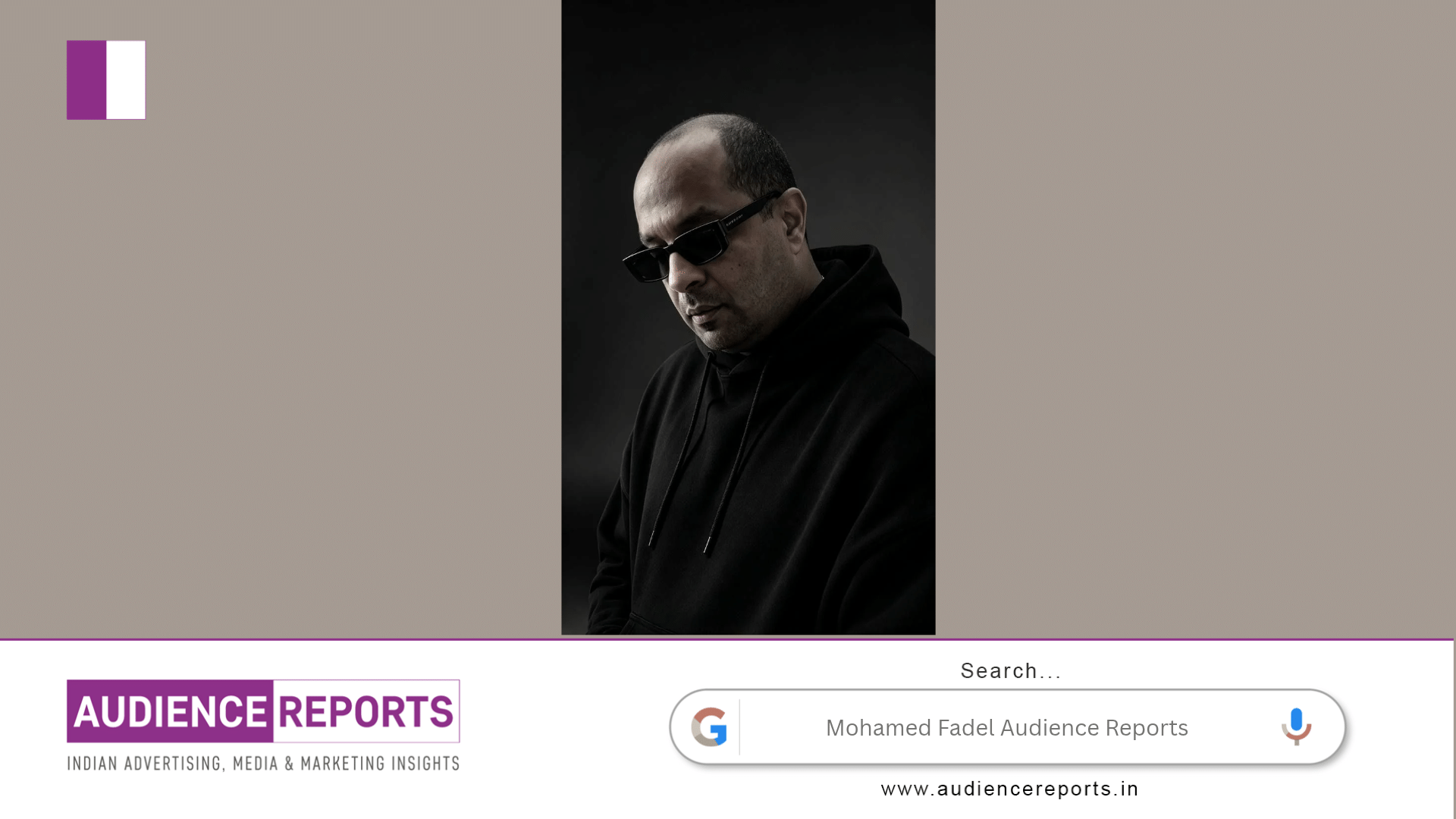
Mohamed Fadel believes one of the biggest mistakes entrepreneurs make is waiting for the perfect time to start building their personal brand. Many business owners postpone sharing their knowledge because they think they need more experience, more clients, greater success, or more time. However, Mohamed Fadel highlights an important reality: there will always be another reason to delay.
The idea behind Mohamed Fadel’s message is simple but meaningful. Building a business is not only about offering a good product or service. It is also about creating trust with the people who may eventually become customers, partners, or collaborators. In an increasingly competitive business environment, trust can begin developing long before the first sales conversation.
Entrepreneurs often concentrate on improving their services, finding clients, managing operations, and growing revenue. These responsibilities are essential, but Mohamed Fadel reminds business owners that their reputation is another asset that deserves consistent attention. People want to understand who they are working with, what that person believes, and how they approach challenges.
The Problem With Waiting for the Perfect Moment
Many entrepreneurs tell themselves they will start building their online presence once their businesses become more successful. Some wait until they have a larger customer base, while others believe they need better achievements, more impressive results, or a polished professional image before sharing their thoughts publicly.
Mohamed Fadel challenges this mindset because perfection can become an excuse for inaction. The longer someone waits, the easier it becomes to continue postponing the same goal. Meanwhile, other entrepreneurs are sharing their experiences, answering questions, and gradually becoming recognizable within their industries.
Starting early does not mean pretending to know everything. Mohamed Fadel’s perspective encourages entrepreneurs to share what they are learning as they grow. Real experiences, including mistakes and difficult decisions, can provide valuable insights for people facing similar situations.
People Connect With the Person Behind the Business
A company may have an impressive website, attractive offers, and professional marketing materials, but customers often want something more personal before making important decisions. They want to know whether the person behind the business understands their needs and can deliver what they promise.
Mohamed Fadel points out that people do not only choose companies; they also choose the individuals behind them. This is especially relevant in industries where trust, communication, and long-term relationships play an important role.
Whether someone is involved in travel experiences, hotel partnerships, real estate investments, study abroad services, or medical tourism, potential clients may want reassurance before making commitments. They may be spending money, planning important experiences, or making decisions that significantly affect their lives.
By sharing opinions, lessons, professional experiences, and practical knowledge, Mohamed Fadel believes entrepreneurs can make themselves more familiar to their audiences. Familiarity does not automatically guarantee business, but it can make the first interaction more comfortable and meaningful.
Visibility Is About Familiarity, Not Fame
One of the most interesting ideas in Mohamed Fadel’s post is the distinction between visibility and fame. Personal branding is often misunderstood as a process of becoming popular, collecting followers, or constantly producing viral content.
However, Mohamed Fadel presents a more practical definition of visibility. The purpose is to help people understand what you do, what you stand for, how you think, and how you approach problems.
An entrepreneur does not necessarily need thousands of followers to create opportunities. A smaller audience consisting of the right people may be more valuable than a large audience with little connection to the business.
When people repeatedly encounter useful information from someone, they begin to recognize that person’s expertise and perspective. Over time, that recognition can help establish credibility. This is why consistent, relevant communication can be more valuable than occasional promotional campaigns.
Small Actions Can Create Long-Term Credibility
Mohamed Fadel does not suggest that entrepreneurs must publish content every day or turn social media into a full-time responsibility. Instead, his message focuses on taking manageable steps.
Sharing one lesson learned from a business experience, answering a frequently asked client question, explaining a challenge that was successfully solved, or discussing an industry trend can be enough to begin.
These small contributions may not generate immediate attention. However, consistency gives entrepreneurs an opportunity to build a useful professional history online. Each post becomes another piece of information that helps others understand their knowledge, values, and approach.
For Mohamed Fadel, personal branding is not simply about promoting services. It is about sharing meaningful information that makes the entrepreneur’s experience accessible to others.
Reputation Should Be Built Before Opportunities Arrive
A strong reputation is rarely created in a single moment. It develops through repeated interactions, consistent communication, and the ability to demonstrate reliability. Waiting until a business urgently needs new customers or partnerships to become visible can make the process more difficult.
Mohamed Fadel emphasizes the importance of building a reputation before needing it. When entrepreneurs begin sharing their knowledge early, they create opportunities for people to become familiar with their work naturally.
This approach also changes the way business owners view content. Instead of asking whether a post will immediately generate a sale, they can consider whether it answers a question, communicates an idea, or helps someone make a better decision.
Not every post needs to become a lead. Some content builds understanding, some creates awareness, and some strengthens relationships. Together, these efforts can support business growth over time.
The Courage to Start Sharing
The biggest obstacle to personal branding may not be a lack of knowledge or resources. It may be the hesitation to begin. Entrepreneurs can spend years learning, working, and solving problems without sharing the valuable lessons they have accumulated.
Mohamed Fadel’s message encourages business owners to move beyond that hesitation. There is no need to wait until every achievement is impressive enough to talk about. Useful knowledge can come from everyday experiences, conversations with clients, industry observations, and lessons learned through difficult situations.
Ultimately, Mohamed Fadel reminds entrepreneurs that building a personal brand is a long-term investment in trust. It starts with showing up, sharing something useful, and allowing people to understand the person behind the business.
The best time to build a reputation is not when business becomes difficult or when opportunities suddenly appear. It is while there is still time to build relationships, communicate consistently, and establish credibility.
Because when the right opportunity arrives, being known, understood, and trusted can make all the difference.