































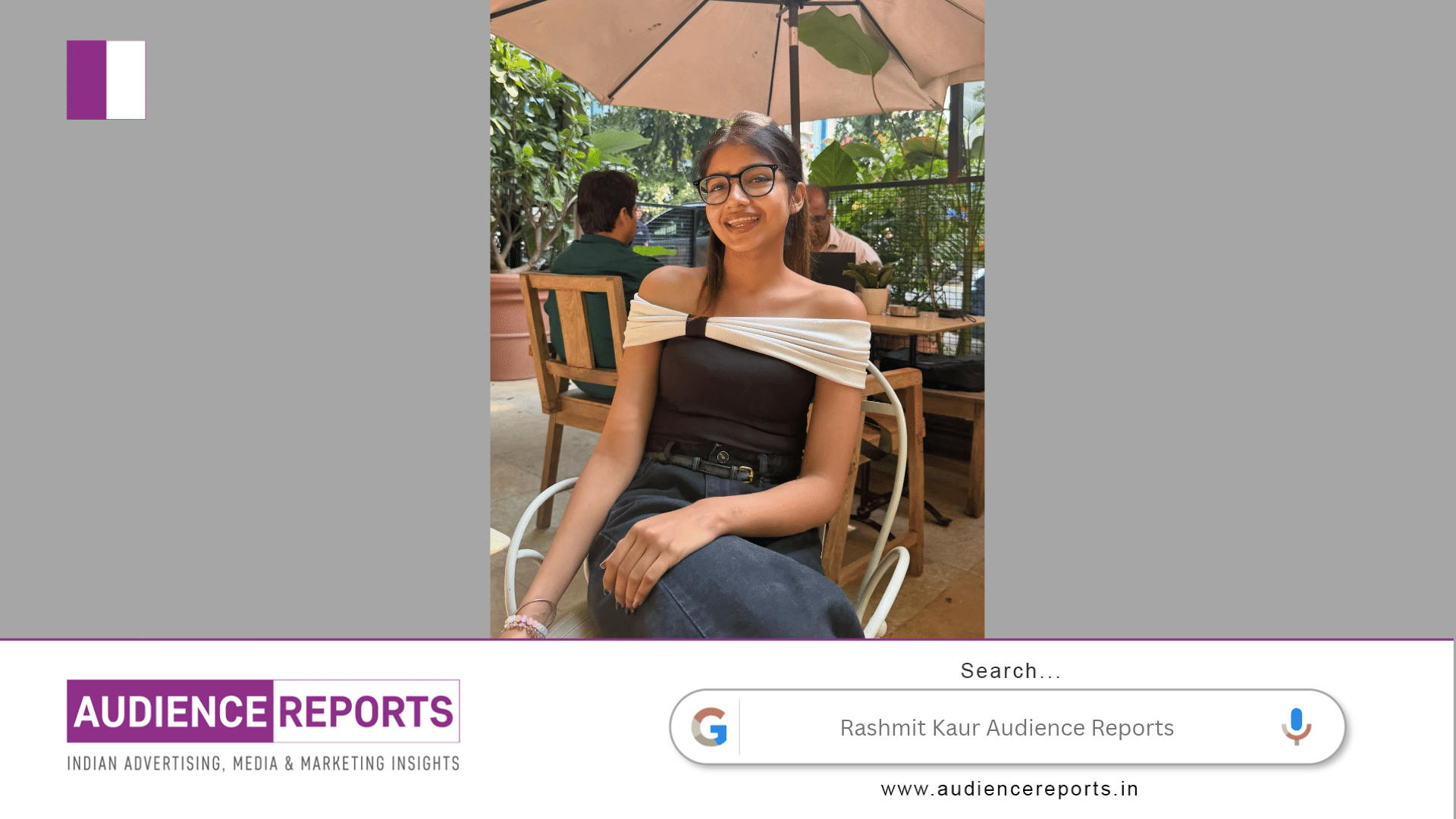
Rashmit Kaur highlights an important reality of today’s social media culture: people are constantly exposed to stories of success, achievements, financial growth, and extraordinary milestones, often without understanding the journey behind them. Her message reminds people that success is not a race and that everyone deserves the freedom to grow at their own pace without feeling pressured by someone else’s accomplishments.
In a world where social media is filled with statements such as “I’m earning seven figures at 18” or “I built my first business before I could figure out life,” it is easy to feel that personal progress is not enough. Rashmit Kaur encourages people to look beyond these comparisons and recognize that every individual has a different starting point, different circumstances, and different opportunities.
The culture of sharing achievements online has created an environment where success is often measured by visible milestones. People talk about income, businesses, promotions, followers, investments, and achievements, making it seem as though everyone is moving forward at an extraordinary speed. Rashmit Kaur acknowledges that these accomplishments can be genuinely impressive, but they should not become a reason for others to question their own worth or progress.
One of the most meaningful aspects of Rashmit Kaur’s message is the idea that everyone has their own timeline. Some people discover their strengths early, while others need years of experience to understand what they truly want. Some individuals achieve financial independence at a young age, while others spend their early years learning, experimenting, making mistakes, and finding direction. Both journeys have value.
The pressure to achieve something remarkable at a young age can create unrealistic expectations. When people constantly see others celebrating success, they may begin to believe that they are falling behind. They might question their career choices, their abilities, or even the decisions they have made so far. Rashmit Kaur reminds readers that someone else’s achievement should not become a measurement of their personal progress.
Social media provides a platform for people to share the highlights of their lives, but it rarely captures the entire picture. A successful business announcement may not reveal the risks, failures, sacrifices, financial struggles, or emotional challenges that came before it. A career milestone may represent years of work that are not visible in a single post. Rashmit Kaur’s perspective encourages people to remember that what they see online is often only one part of a much larger story.
This understanding can help people develop a healthier relationship with social media. Instead of approaching every achievement with comparison, they can learn to view it with curiosity and appreciation. Another person’s success can demonstrate what is possible without creating the expectation that the same result must happen at the same age or in the same way. Rashmit Kaur encourages a shift in perspective, from competition to inspiration.
Inspiration becomes more powerful when it does not come with self-criticism. Seeing someone accomplish something extraordinary can motivate a person to explore new opportunities, improve their skills, or take a step toward a goal they have been postponing. However, motivation loses its value when it turns into constant dissatisfaction with one’s own life. Rashmit Kaur’s message draws attention to the importance of maintaining that balance.
Personal growth is rarely a straight line. There are periods of progress, moments of uncertainty, unexpected setbacks, and situations that require patience. Some achievements may take longer than expected, while others may arrive in ways that were never planned. Rashmit Kaur reminds people that taking longer does not mean failing. The process of learning, adapting, and continuing forward is also an important part of building a meaningful life.
Another important idea in Rashmit Kaur’s post is the value of celebrating small achievements. People often overlook their own progress because they are focused on bigger goals. Completing a difficult task, developing confidence, overcoming fear, learning a new skill, supporting family, becoming financially responsible, or simply continuing through a challenging period can all represent meaningful accomplishments.
What seems ordinary to one person may be extraordinary to someone else. Progress does not always need to be publicly announced, financially measured, or recognized by others to be valuable. Rashmit Kaur encourages people to appreciate milestones that genuinely matter to them rather than waiting for achievements that appear impressive to the outside world.
This perspective also creates space for gratitude. Recognizing personal achievements helps people understand how far they have come, especially during moments when the future feels uncertain. Instead of focusing exclusively on what remains unfinished, they can acknowledge the effort, discipline, courage, and consistency that have brought them to their present position. Rashmit Kaur’s message suggests that self-recognition is not arrogance; it is an important part of maintaining perspective.
Ultimately, success is not defined by reaching a particular milestone before a certain age. It is shaped by personal values, meaningful goals, growth, resilience, and the ability to build a life that feels fulfilling. Rashmit Kaur reminds people that there is no universal schedule for achievement and no single path that everyone must follow.
The most important takeaway is to keep moving forward without turning life into a competition. Learn from others, appreciate their accomplishments, and allow their stories to expand your understanding of what is possible. At the same time, respect your own journey, celebrate the progress you have made, and continue working toward the future you want to create.
Every achievement deserves recognition, regardless of how small it may appear. Sometimes, the greatest milestone is simply realizing that you are no longer the person you were yesterday. And that progress, even when it is quiet or unseen, is worth celebrating.