























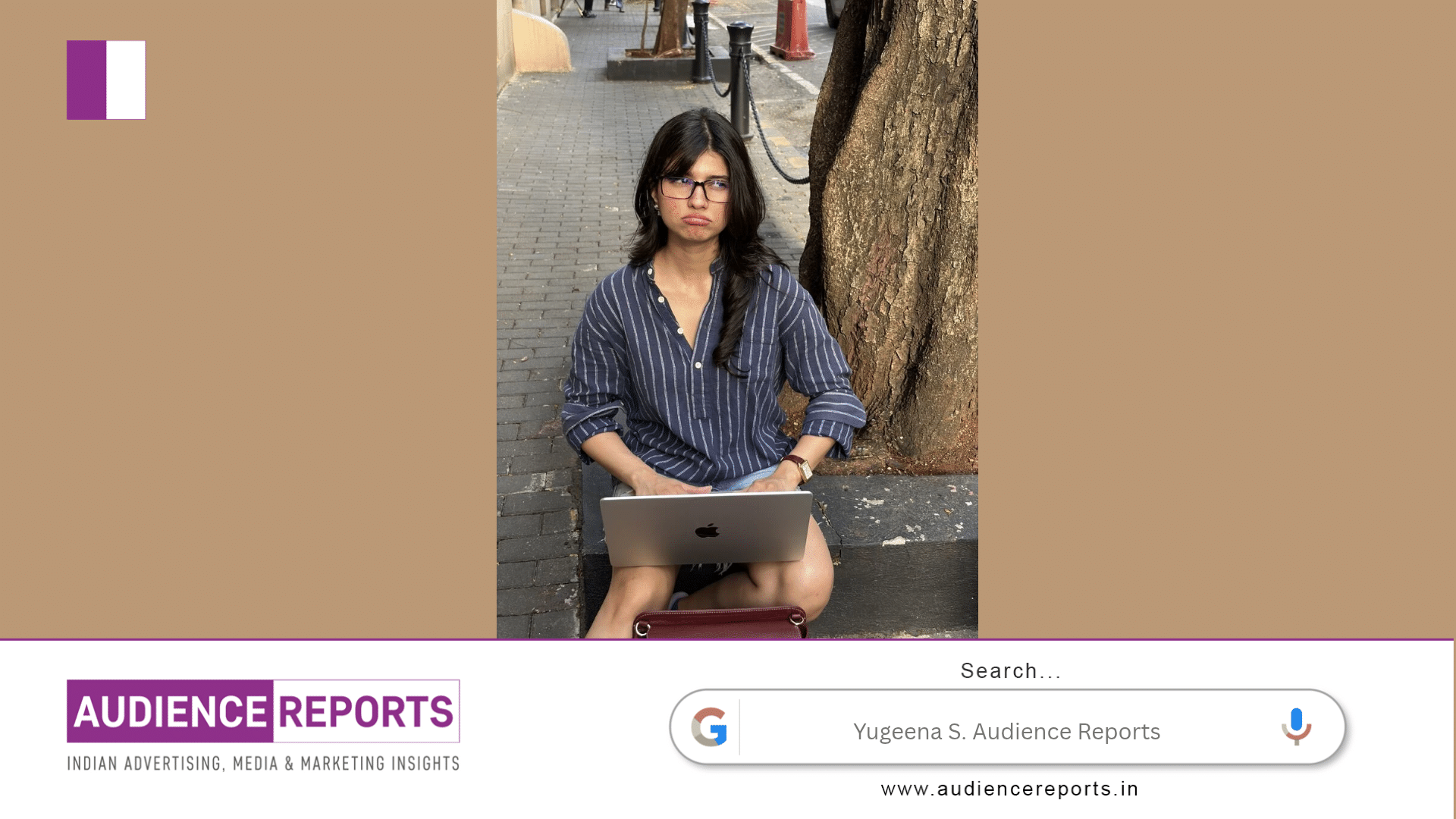
Yugeena S. explores an interesting connection between fashion, branding, and consumer psychology through something as familiar as stripes. What initially appears to be a simple fashion observation becomes a deeper reflection on how trends influence consumer preferences and purchasing decisions. Her experience of noticing bold striped patterns in H&M stores in Bombay and Delhi raises an important question: how does an ordinary design suddenly become something everyone wants?
For Yugeena S., the growing popularity of stripes is more than a seasonal fashion observation. It is an example of how brands can transform familiar elements into something that feels fresh, desirable, and relevant. Although stripes have existed in fashion for decades, their current interpretation feels different. They are appearing in unexpected colour combinations, oversized silhouettes, coordinated outfits, and experimental styling choices.
The interesting part is that the pattern itself has not changed dramatically. What has changed is how it is presented, combined, and experienced by consumers.
The Power of Reinterpreting Familiar Ideas
Fashion trends often create the impression that consumers constantly want something new. However, Yugeena S. highlights a different possibility: people do not always need something completely unfamiliar to become interested. Sometimes, they simply need to see something they already recognise from a different perspective.
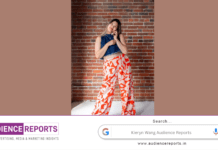
Stripes provide a good example. Traditionally associated with formal shirts, corporate clothing, and classic tailoring, they are now being used in more expressive ways. Bright colours, contrasting combinations, layered patterns, and relaxed silhouettes have given the familiar print a new identity.
Yugeena S. draws attention to how this shift makes an established pattern feel exciting again. The appeal comes from balancing familiarity with experimentation. Consumers recognise the design, but the new presentation gives them a reason to reconsider it.
This principle extends beyond fashion. It applies to almost every industry where brands compete for attention.
How Visual Trends Influence Consumer Behaviour
One of the most valuable observations in Yugeena S.’s post is her question about how a visual trend becomes powerful enough to influence what people notice, desire, and eventually purchase.
Consumer behaviour is rarely driven by product features alone. Visual presentation plays an important role in shaping first impressions. Before customers understand the quality, functionality, or value of a product, they often respond to how it looks.
When a particular visual style appears repeatedly across stores, advertisements, social media platforms, and influencer content, consumers gradually become more familiar with it. Repetition creates recognition, while consistent exposure can make a trend feel relevant and desirable.
Yugeena S. identifies this process through the popularity of stripes. Their presence across different locations and clothing categories demonstrates how a visual idea can gain momentum. What begins as an individual design choice can eventually become a broader consumer preference.
For brands, understanding this process means paying attention not only to what customers purchase but also to what captures their attention before making a purchase.
Packaging: Where Familiarity Meets Reinvention
Yugeena S. concludes her observation by introducing packaging as an interesting example of the same marketing principle.
Packaging is often treated as a practical requirement. It protects products, communicates information, and makes items easier to identify. However, its influence goes much further. Packaging can shape how customers perceive a brand before they even experience the product.
A familiar product presented in ordinary packaging may attract limited attention. The same product, when introduced through thoughtful colours, distinctive typography, interesting textures, and creative structural design, can create an entirely different impression.
The product itself might remain unchanged, but its perceived value can shift through presentation.
This is where Yugeena S.’s comparison becomes particularly relevant. Just as stripes can feel new through unexpected styling, familiar products can become more appealing through innovative packaging.
Brands do not always need to invest in creating something entirely different. They can also explore ways to improve how existing products are communicated and experienced.
The Relationship Between Visual Identity and Brand Positioning
A brand’s visual identity is not simply about looking attractive. It communicates personality, positioning, and expectations.
Colours, patterns, typography, packaging materials, and product displays work together to create an impression. When these elements are used consistently, they help customers recognise a brand and understand what it represents.
Yugeena S. approaches fashion through this broader branding perspective. Her observation suggests that trends are not isolated creative movements. They can also become opportunities for brands to reconsider their visual communication.
For example, a clothing brand that traditionally uses minimal and neutral designs might introduce bolder patterns to communicate a more expressive personality. Similarly, a food or beauty brand could refresh its packaging to appeal to changing consumer expectations without completely changing its product range.
However, following every popular trend is not necessarily a successful strategy. Brands need to understand whether a particular visual direction aligns with their identity and audience.
Yugeena S.’s perspective encourages brands to distinguish between following a trend and using a trend strategically.
Why Context Matters More Than the Trend Itself
Another important lesson from the stripes observation is the role of context.
A pattern that looks ordinary in one setting may appear exciting in another. Its impact depends on colours, styling, presentation, surrounding products, and the audience experiencing it.
This is equally true for packaging and advertising. A design that works for one category may not communicate the right message for another.
Yugeena S. indirectly highlights the importance of observing consumer environments rather than relying entirely on assumptions. Noticing similar patterns in Bombay and Delhi encouraged her to investigate the trend further.
For brand strategists, this kind of observation can be valuable. Shopping environments, retail displays, customer conversations, and social media behaviour provide clues about changing preferences.
These signals can help businesses make more informed creative decisions.
Turning Observation Into Strategy
The larger lesson from Yugeena S.’s post is that effective branding begins with curiosity. A simple observation can become an opportunity to understand consumer psychology, market behaviour, and changing expectations.
Brands that pay attention to these details can discover opportunities that are easy to overlook. They can identify familiar products that need a fresh presentation, understand which visual elements are gaining attention, and develop communication that feels relevant without losing their identity.
Yugeena S. demonstrates how everyday experiences can offer meaningful insights into marketing. A visit to a retail store, a repeated visual pattern, or an unexpected design choice can raise questions worth exploring.
Ultimately, the popularity of stripes is not just about fashion. It represents a larger marketing principle: perception can change even when the product remains familiar.
Yugeena S.’s observation reminds businesses that innovation does not always require starting from zero. Sometimes, the real opportunity lies in changing the way people see what already exists.
Whether through fashion, packaging, retail displays, or brand communication, the ability to make something familiar feel meaningful again can influence attention, build desire, and create new purchasing opportunities.
The strongest brands understand that selling a product is not only about what they offer. It is also about how they present it, the emotions they communicate, and the meaning consumers attach to the experience.
And that is where a simple visual trend can become a powerful lesson in branding and consumer behaviour.