





















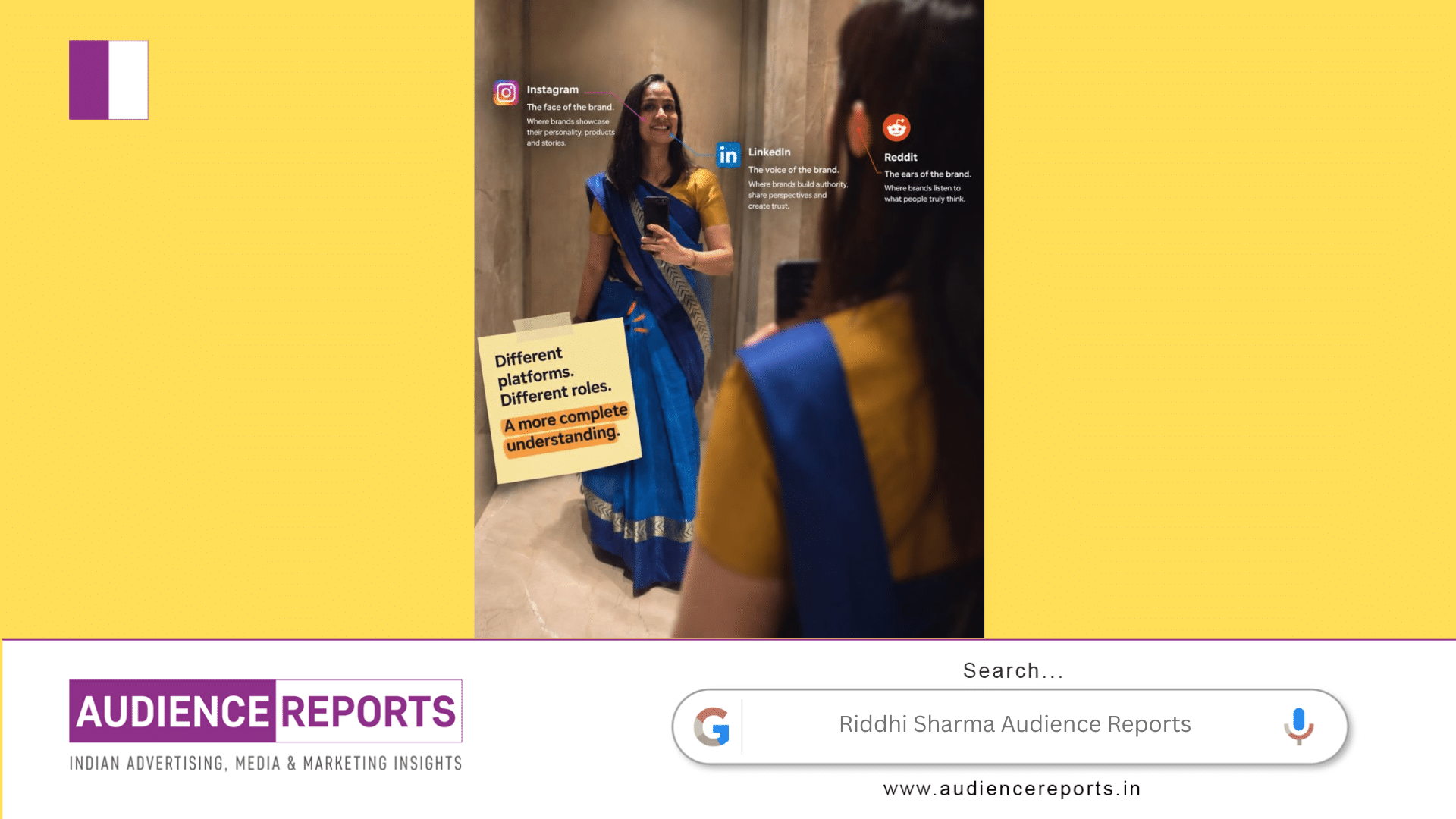
Riddhi Sharma brings attention to an important shift in the way brands should think about social media: building a brand is not only about speaking to an audience, but also about listening to it. As the CEO & Founder of Content Marketing Agency, Thought In A Dot, Riddhi Sharma highlights how different platforms reveal different sides of a brand’s relationship with its audience. Instagram may show how a brand presents itself, LinkedIn may communicate how it positions itself, but Reddit can reveal what people are actually saying when the brand is not part of the conversation.
For years, businesses have invested enormous effort into creating attractive social profiles. Visual identity, content calendars, campaigns, storytelling, influencer collaborations, and community engagement have become central parts of digital marketing. Riddhi Sharma’s observation encourages marketers to look beyond these visible activities and pay attention to something equally valuable: the conversations happening outside official brand channels.
Listening has always been important in business, but digital communities have made it possible to listen at a much larger scale. Customers openly discuss their experiences, frustrations, preferences, questions, and expectations online. They may ask strangers for product recommendations, compare alternatives, explain why they abandoned a service, or describe what made them choose one company over another. These conversations can provide context that traditional promotional content cannot easily produce.
This is where Riddhi Sharma’s perspective on Reddit becomes particularly relevant. Reddit is fundamentally built around communities and conversations. People often enter these communities because they want answers, experiences, opinions, or discussions rather than advertisements. For marketers, that creates an opportunity to observe what matters to consumers without immediately turning every interaction into a promotional activity.
Riddhi Sharma points toward a useful distinction between being present and being aware. A brand can have thousands of followers and still misunderstand what its customers really think. It can publish regularly and still miss the questions people are asking. It can create polished campaigns while overlooking recurring complaints or unmet expectations. Social listening helps close that gap.
The value of listening is not simply counting brand mentions. A deeper approach involves identifying patterns. What problems repeatedly appear? What language do customers use? Which features generate enthusiasm? What creates frustration? What alternatives are people considering? What questions appear before purchasing decisions? These details can influence content strategy, product communication, customer service, and even business decisions.
Riddhi Sharma’s idea also highlights the difference between controlled communication and organic conversation. On a brand’s Instagram page, the company largely controls what it publishes and how it presents itself. On LinkedIn, an organization can carefully shape its professional voice. But conversations in independent communities are less controlled. That makes them valuable sources of unfiltered customer perspectives, while also requiring marketers to interpret them carefully and responsibly.
Listening, however, should not mean entering communities simply to promote products. That approach can quickly undermine trust. The first responsibility of social listening is understanding. Brands need to recognize that online communities belong to the people participating in them. Observing conversations should lead to better decisions, not constant interruption.
For Riddhi Sharma, this broader approach reflects how content marketing is evolving. Content is no longer simply about producing more posts. It is about producing material that responds to real questions, real concerns, and real experiences. The strongest content strategies often begin with research before they move toward creation.
There is also an important lesson here for smaller businesses. Social listening is not exclusively a tool for large corporations with enormous marketing budgets. A growing business can learn from customer discussions, identify recurring questions, understand competitor perceptions, and discover gaps in existing content. Listening can help a company become more relevant before it attempts to become more visible.
Riddhi Sharma’s message ultimately challenges the assumption that successful marketing is primarily about being heard. In an environment filled with advertisements, notifications, videos, posts, and promotional messages, consumers are already exposed to enormous amounts of brand communication. The ability to understand them can be just as valuable as the ability to reach them.
Riddhi Sharma also points toward a future where social listening becomes more sophisticated. Instead of merely monitoring mentions, marketers can study themes, questions, sentiment, language, and customer journeys. The objective is not to collect information for its own sake, but to turn conversations into meaningful understanding.
The larger lesson from Riddhi Sharma is simple: a brand should not only know what it wants to say. It should know what its audience is saying when nobody from the company is speaking.
Instagram, LinkedIn, Reddit, and other platforms each provide different windows into audience behavior. Riddhi Sharma’s observation encourages marketers to treat those differences as strategic opportunities rather than simply choosing one platform over another.
Ultimately, strong brands are built through a continuous exchange between communication and observation. They speak clearly, but they also pay attention. They create content, but they also learn from the questions surrounding it. They build communities, but they respect the communities that already exist.
Riddhi Sharma’s perspective offers a practical reminder for modern marketers: before asking whether your audience is listening to your brand, ask whether your brand is listening to its audience.
Because sometimes the most valuable marketing insight is not found in what a company says about itself. It is found in what customers say when the company is not in the room.