
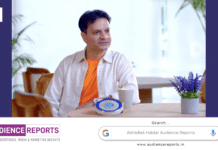

































Abhishek Haldar highlights a simple truth that often gets overlooked: the habits that create the biggest difference are frequently the ones we are most likely to ignore. In a world where improvement is often associated with complicated routines, expensive solutions, and constant optimization, Abhishek Haldar’s perspective brings the focus back to something much more practical consistency.
His LinkedIn post uses skincare as an example, but the idea goes far beyond personal care. It is about how people approach everyday habits and why simplicity can sometimes be more sustainable than complexity. Abhishek Haldar observes that men can be disciplined when it comes to fitness, nutrition, and physical health, while skincare may remain an afterthought. This contrast raises an interesting question: why do we sometimes take certain aspects of self-care seriously while overlooking others?
Abhishek Haldar openly acknowledges that he experienced this himself. Skincare was not always a priority for him, which makes his message less about presenting a perfect routine and more about recognizing an everyday gap. That distinction matters. Sustainable change often begins when people identify a habit they have neglected and find a realistic way to bring it into their routine.
For Abhishek Haldar, the answer does not involve an elaborate 10-step skincare system. Instead, he points to four basic habits: cleansing, moisturizing, using sunscreen, and staying consistent. The message is straightforward. A routine does not necessarily become more effective simply because it contains more steps. What matters is whether a person can realistically follow it.
This principle is relevant far beyond skincare. Abhishek Haldar connects the idea of simple habits with his experience of building a brand. Business growth, personal development, and everyday improvement can all become overwhelming when too many systems are introduced at once. When people try to change everything simultaneously, maintaining those changes can become difficult.
Abhishek Haldar’s observation suggests that sustainable progress often depends on reducing unnecessary complexity. Instead of constantly searching for a new strategy, people can start by identifying a few actions that genuinely matter and repeating them consistently. The value comes not from doing something extraordinary once, but from doing something useful regularly.
The skincare example also reflects a broader shift in how men approach self-care. Traditionally, skincare has sometimes been treated as optional or secondary for men. Today, personal care is increasingly becoming part of everyday routines for many people. Abhishek Haldar’s message presents skincare not as an elaborate beauty ritual but as a basic form of care that can fit into a busy lifestyle.
There is another important lesson in Abhishek Haldar’s post: consistency requires realistic expectations. A routine that takes only a few minutes may be easier to maintain than one that demands significant time and effort every day. This does not mean complicated routines are inherently wrong. Rather, the right routine is one that fits the individual and can be sustained over time.
Abhishek Haldar also connects this idea to brand building, where consistency can be just as important as creativity. A business may have ambitious plans, sophisticated strategies, and numerous growth ideas, but execution still depends on repeatable actions. Simple processes that teams can consistently follow can become the foundation for long-term progress.
For Abhishek Haldar, this connection between skincare and entrepreneurship creates a useful perspective. Whether someone is taking care of their skin, developing a professional skill, building a company, or improving their daily routine, progress often comes from small actions repeated with discipline.
The phrase “care, for the man in your mirror” captures this philosophy in a concise way. It shifts the conversation from appearance alone toward the idea of taking responsibility for everyday self-care. The mirror becomes a reminder that personal improvement does not always require dramatic transformation. Sometimes, it starts with paying attention to something that has been ignored.
Abhishek Haldar’s message is ultimately about making improvement manageable. Instead of waiting for the perfect routine or attempting to make major changes overnight, people can begin with a few practical habits. The challenge is not necessarily discovering more things to do. It can be choosing what matters, removing what is unnecessary, and remaining consistent.
Abhishek Haldar demonstrates through this perspective that simplicity is not the absence of ambition. It can be a way of making ambition sustainable. Small habits may appear insignificant on an individual day, but their repeated effect can become meaningful over time.
The broader lesson from Abhishek Haldar’s post is therefore applicable to much more than skincare. Better outcomes often begin with ordinary actions that are easy to overlook. When those actions become part of everyday life, they can gradually create stronger routines, greater awareness, and more consistent progress. Sometimes, the most effective change is not about doing more. It is about doing the right simple things and continuing to do them.