


























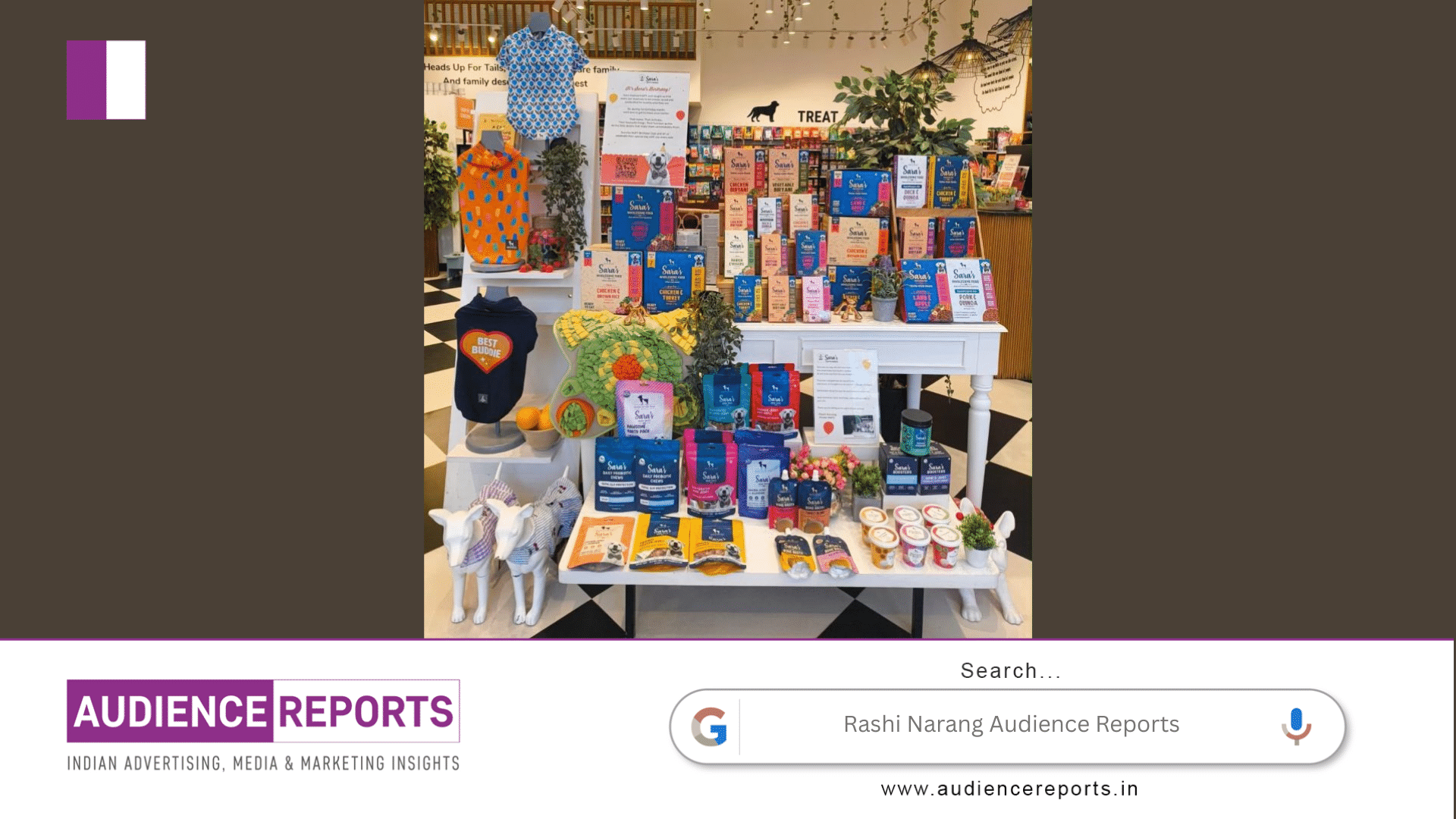
Rashi Narang begins with a question that many pet parents may recognize: what are we really feeding the animals we love? Her reflection on Sara is not simply a story about creating pet treats or food. It is about curiosity, responsibility, and the willingness to question familiar choices when new information demands a closer look.
Rashi Narang openly shares that she once assumed that anything made specifically for dogs must automatically be good for them. It was only when she started turning packets around and reading ingredient lists that she began looking at pet food differently. That simple habit reading beyond the front of the package became the beginning of a much larger journey.
The story of Rashi Narang is especially interesting because the change did not begin with a grand business plan. It began with a personal question. She wondered why treats given with so much affection could contain fillers, artificial flavours, and preservatives. Instead of accepting those ingredients as unavoidable, Rashi Narang and her team decided to explore another possibility.
Almost ten years ago, that exploration led to Sara’s Treats.
The concept was straightforward: use good ingredients and simply dehydrate them without unnecessary fillers, artificial flavours, or preservatives. The product carried Sara’s name because Sara was not merely the inspiration behind the idea. She represented the standard against which the product was judged.
That principle later expanded into a bigger question. Rashi Narang began asking why the same thinking could not apply to everyday pet food. If pet parents wanted complete and balanced meals, could those meals also be made from ingredients that looked and felt like real food?
That question eventually became Sara’s Wholesome Food.
What stands out in Rashi Narang’s post is the process of questioning assumptions. The pet-food industry had established ways of doing things, but Rashi Narang chose to examine those practices from the perspective of what she would personally want for Sara. Her approach, as she describes it, starts with fresh meat rather than meat already processed into meals and powders. Vegetables, selected herbs, and essential nutrients are then brought together and gently cooked into a complete and balanced meal.
Whether one is building a pet-food company, developing a product, or simply making everyday decisions, the underlying lesson is relevant: established practice should not automatically become unquestioned practice.
Rashi Narang’s story also demonstrates how personal experiences can influence business principles without becoming limited to personal emotion. Sara’s name appears on both products because the name carries a responsibility. It creates a direct connection between the product and the standard behind it.
For Rashi Narang, that standard is not about making something merely because it is commercially convenient. It is about asking a more uncomfortable question: would I give this to Sara?
That question is powerful because it removes distance between the creator and the consumer. Instead of thinking only about production costs, industry habits, or market expectations, it brings the decision back to the individual animal that inspired the work.
Rashi Narang’s journey also highlights an important aspect of entrepreneurship: improvement often begins with noticing something that others may have learned to overlook. Ingredient labels can seem ordinary. Manufacturing processes can seem too technical to question. Industry conventions can feel too established to challenge. Yet meaningful changes can begin when someone pauses and asks why things are done that way.
The story of Rashi Narang is therefore not only about pet nutrition. It is about raising personal standards and allowing those standards to influence professional decisions. The journey from homemade treats to a broader food offering shows how one thoughtful question can continue evolving over many years.
There is also a useful lesson here for consumers. Loving a pet does not have to mean simply choosing attractive packaging or trusting familiar claims. It can mean reading labels, understanding ingredients, asking questions, and becoming more intentional about everyday choices.
For entrepreneurs, Rashi Narang’s experience offers another perspective. A business does not always begin with a complicated strategy. Sometimes it begins with a problem that feels personal enough to solve properly. As that solution develops, the original principle can become part of the organization’s identity.
Rashi Narang’s post captures that idea through Sara’s name. The name is a reminder of where the journey started and what the products are expected to represent.
Almost a decade later, the question remains the same: would I give this to Sara?
That consistency matters. Markets change, products evolve, and businesses grow, but a clear standard can provide continuity. Rashi Narang’s story shows how one question, asked sincerely and repeatedly, can influence decisions long after the original problem has changed.
In the end, Rashi Narang’s message is about love expressed through responsibility. Love is not only an emotion; it can also become a reason to examine choices more carefully, challenge assumptions, and keep improving what we create.
For Rashi Narang, Sara became the standard. And the enduring lesson is simple: when something truly matters to us, the right question can keep us moving toward a higher standard.