


























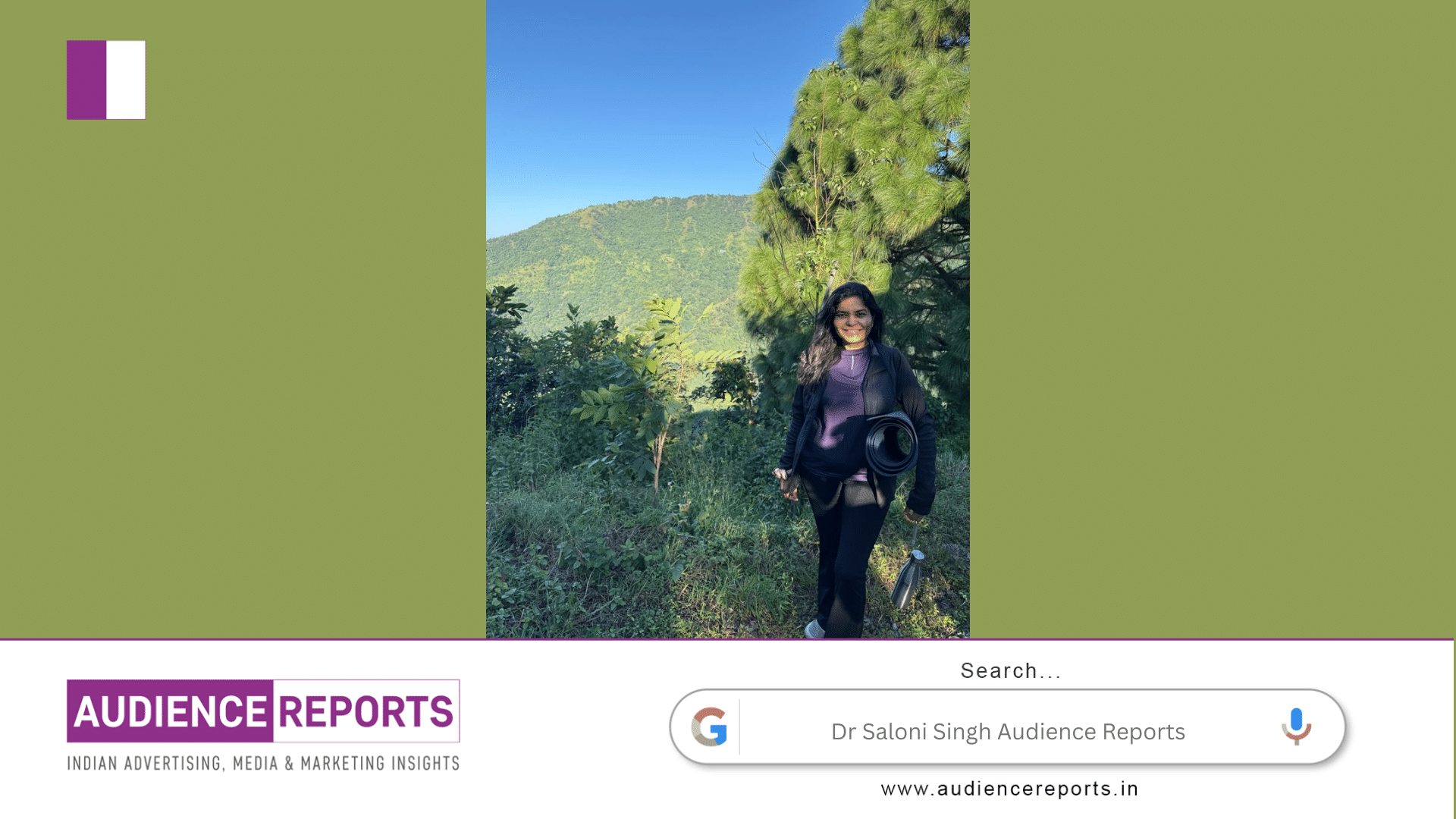
Dr Saloni Singh began her journey in leadership coaching seven years ago, when a senior leader approached her with a desire to discover inner fulfilment and connect with a higher purpose. That first coaching experience opened a path toward helping CEOs, founders, and senior leaders understand themselves more deeply. Over time, Dr Saloni Singh discovered that effective leadership requires more than professional expertise, strategic thinking, and decision-making skills. It also requires self-awareness, emotional understanding, and alignment between personal values and everyday actions.
The Beginning of a Leadership Journey
When Dr Saloni Singh started coaching senior leaders, the work felt closely connected to her professional strengths and the contribution she wanted to make. Supporting leaders through self-discovery and conscious leadership became a meaningful part of her career. Her work focused on helping people in positions of responsibility explore their purpose, understand their choices, and develop a more thoughtful approach to leadership.
For many executives, professional success brings new challenges. Greater responsibility often comes with difficult decisions, competing expectations, and the pressure to maintain control. While organisations frequently measure leadership through performance, productivity, and business outcomes, the internal experiences of leaders can receive less attention.
Dr Saloni Singh’s coaching journey reflects the importance of addressing this overlooked dimension. Leaders need opportunities to reflect on what drives them, what influences their behaviour, and whether their professional lives align with their deeper values. Such reflection can help them make decisions with greater clarity and lead their teams with increased awareness.
When Life Changes the Direction of Growth
Although coaching CEOs, founders, and organisational leaders initially felt like the natural direction for Dr Saloni Singh, her personal experiences gradually introduced her to a different dimension of development.
The grief of losing loved ones and challenges related to her health encouraged her to explore the connection between the mind, body, and spirit. These experiences brought questions into focus that conventional approaches to personal development do not always address. Understanding human behaviour, she realised, could involve more than examining thoughts, beliefs, and decisions.
Dr Saloni Singh began exploring somatic work, which emphasises the relationship between bodily experiences, emotions, and patterns of behaviour. This exploration became an important part of her evolving coaching practice.
Personal challenges can sometimes interrupt familiar ways of understanding the world. They may encourage people to reconsider their priorities, question assumptions, and develop a more compassionate relationship with themselves. For Dr Saloni Singh, these experiences became an opportunity to deepen her understanding of human development and expand the methods she could bring into her work.
Her journey illustrates that professional growth does not always follow a straight line. Sometimes, the most meaningful developments emerge when life encourages us to look beyond the boundaries of our existing knowledge.
Discovering the Power of Embodiment
As Dr Saloni Singh explored somatic practices, she began incorporating embodiment techniques into her coaching and facilitation sessions. Embodiment involves developing a greater awareness of physical sensations, emotions, posture, breathing, and the ways people experience themselves in the present moment.
The approach offers another way to examine habitual reactions. A leader may understand intellectually that patience, openness, and empathy are important, yet find it difficult to demonstrate these qualities under pressure. Awareness of bodily responses and emotional patterns can provide additional opportunities to recognise these reactions and respond more deliberately.
For Dr Saloni Singh, introducing embodiment practices into her work became a significant development in her coaching journey. It encouraged her to look beyond what leaders say they believe and explore how those beliefs appear in their everyday behaviour.
Leadership values become meaningful when they influence real decisions. Integrity matters when a leader faces an uncomfortable truth. Empathy matters when a team member makes a mistake. Courage matters when a difficult conversation cannot be avoided.
Dr Saloni Singh’s interest in embodiment connects these everyday leadership situations with the importance of personal awareness and consistency.
Why Leaders Must Embody Their Values
A leader’s influence extends beyond instructions, strategies, and formal authority. Employees also observe how leaders react to uncertainty, handle disagreement, communicate under pressure, and respond when circumstances do not go according to plan.
When a leader’s behaviour contradicts their stated values, trust can become difficult to maintain. A person who speaks about collaboration but refuses to listen may struggle to build a genuinely collaborative culture. Similarly, a leader who promotes balance while consistently ignoring personal limits may unintentionally reinforce unhealthy expectations.
Dr Saloni Singh’s work raises an important question: are leaders simply communicating their values, or are they practising them in the way they live and lead?
This distinction matters because conscious leadership requires ongoing self-examination. Leaders must be willing to recognise their limitations, question established patterns, and make adjustments when their actions do not reflect their intentions.
Through embodiment coaching, Dr Saloni Singh aims to bring a deeper dimension of awareness into leadership development. The objective is not to create perfect leaders but to support individuals in developing a more integrated relationship between their thoughts, emotions, physical experiences, and actions.
Learning Through Unlearning
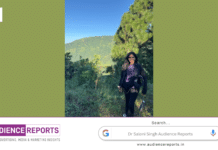
Dr Saloni Singh’s decision to participate in an intensive 23-day embodiment facilitator training in the mountains represents another stage in her development. Rather than remaining solely within the role of a coach, she has chosen to become a learner again, investing time in understanding her own body, examining established patterns, and developing new capabilities.
This decision reflects a principle that applies to leadership across industries: growth requires the willingness to learn beyond one’s current expertise.
Experience provides valuable knowledge, but it can also create habits that go unquestioned. Continued learning allows professionals to revisit their assumptions and discover alternative perspectives. For coaches and facilitators, this willingness is particularly important because their work involves supporting other people through change.
Dr Saloni Singh’s time away from LinkedIn during the training also reflects an intentional pause from regular professional communication. Instead of immediately sharing every development, she is making space to experience the learning process before returning to communicate her insights.
Sometimes, meaningful progress happens away from public visibility. Reflection, practice, and personal exploration may not produce immediate external recognition, but they can contribute to a more considered approach to future work.
Bringing Inner Awareness Into the Future of Leadership
The evolution of Dr Saloni Singh’s coaching practice demonstrates how professional purpose can develop through experience, reflection, and continued education. Her journey from leadership coaching toward embodiment facilitation reflects an expanding interest in the relationship between inner awareness and external performance.
For CEOs, founders, and senior leaders, this perspective offers an opportunity to reconsider what leadership development should include. Technical expertise and business knowledge remain important, but they are only part of the picture. Self-awareness, emotional understanding, and the ability to respond thoughtfully to challenging situations also influence how people lead.
Dr Saloni Singh’s next chapter will bring new learning from embodiment facilitator training into her coaching and facilitation work. How these experiences continue to shape her approach will unfold through practice, reflection, and engagement with the leaders she supports.
Ultimately, leadership is not only about achieving goals or guiding organisations toward success. It is also about understanding the person making the decisions, recognising the patterns influencing their behaviour, and developing the capacity to act in alignment with deeply held values.
Dr Saloni Singh’s journey offers a reminder that leadership development begins with the willingness to look inward. When leaders become more aware of themselves, they can create opportunities to lead with greater intention, communicate with greater authenticity, and approach their responsibilities with a clearer sense of purpose.
The work of leadership, much like personal growth, remains an ongoing process. It requires curiosity, courage, reflection, and the willingness to keep learning. Through her evolving exploration of embodiment and conscious leadership, Dr Saloni Singh continues to investigate how a deeper connection with oneself can inform the way leaders work, relate, and contribute to the world around them.