























Celia Sandhya Daniels carries a story that reminds us how a place, a memory, and the decision to keep living can shape an entire life. As the Founder and CEO of Rebekon Consulting LLC, Celia Sandhya Daniels represents a journey that goes beyond professional achievements. Her story is about identity, rejection, resilience, and the possibility of building a future that once seemed impossible. Through a deeply personal reflection on returning to her childhood hometown, she highlights the importance of acceptance and the urgent need to protect transgender lives.
Growing up in Kalpakkam, a small beach town in Tamil Nadu, Celia Sandhya Daniels experienced the challenges of understanding her identity in a community where everyone knew one another. Coming out as a transgender teenager in such an environment was not easy. The fear of rejection extended beyond her own experiences, as she also worried about how her identity might affect her parents’ reputation. For a young person trying to understand who they are, carrying these expectations can become an overwhelming emotional burden.
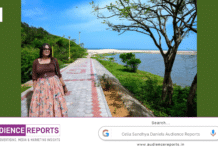
For Celia Sandhya Daniels, the beach near the backwaters became a refuge during those difficult years. It was more than a beautiful landscape. It was a place where she could express feelings she could not share openly elsewhere. Away from the expectations of society, the beach gave her the freedom to sit with her emotions, reflect on her life, and imagine a world where she could live authentically without fear.
At sunset, Celia Sandhya Daniels would make her way to the shore and wait until darkness gave her a sense of privacy. Wearing her long, hand-stitched skirt, she would sit on the sand, cry, and pray for healing. She wanted to be accepted and hoped that somehow she could become what society considered normal. Her prayers were met not with the miracle she expected, but with the steady sound of the waves.
Yet, even without the answers she sought, the beach offered something important: relief. She returned home disappointed, but she also felt lighter. Having a place where she could acknowledge her pain helped her endure days when the world around her seemed unwilling to understand her. The experience shows how even a quiet, ordinary setting can become meaningful when someone has nowhere else to feel safe.
During those years, Celia Sandhya Daniels struggled to imagine a future filled with love, marriage, or family. The rejection she experienced made happiness seem distant. When a person is repeatedly led to believe that their identity makes them unacceptable, it can become difficult to picture a life beyond survival. Her younger self could not have known how much her circumstances would eventually change.
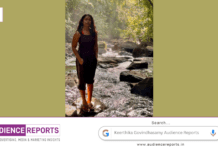
Four decades later, returning to Kalpakkam transformed that painful memory into a powerful moment of reflection. This time, Celia Sandhya Daniels did not visit the beach alone. She returned with her wife and daughter, the family she once believed she might never have. Standing in the same place brought her memories to life through the familiar air, the warmth of the surroundings, and the feeling of the sand beneath her feet.
For Celia Sandhya Daniels, this return represented more than revisiting her past. It connected the teenager who struggled to imagine a future with the woman who had built a life beyond those early fears. Sharing these experiences with her wife and daughter allowed her family to understand her history in a more personal way. The place that once witnessed her loneliness now became part of a story of connection, survival, and belonging.
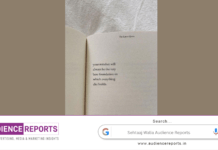
One of the most moving aspects of her reflection is the message she would give her younger self. She would ask that young person to hold on, even when life appeared hopeless. She would explain that the future would contain struggles, but it would also bring love, family, and opportunities to make a difference in other people’s lives. This message does not dismiss the pain she experienced. Instead, it acknowledges that suffering in the present does not determine every possibility in the future.
The story of Celia Sandhya Daniels also raises a broader social question: how many young people are struggling because they fear rejection from their families, schools, or communities? Transgender and gender-expansive individuals can face discrimination, isolation, and barriers to finding safe spaces. When acceptance is absent, the consequences can be devastating. The statistic shared in her post about suicide attempts among transgender and gender-expansive people underscores the seriousness of this issue, although the exact percentage depends on the population studied and the research source.
Changing these circumstances requires more than expressions of sympathy. Families need opportunities to understand and support transgender children. Schools and workplaces must take discrimination seriously. Communities need to create environments where people can express their identities without fear of humiliation or exclusion. Mental health support should be accessible, respectful, and affirming. Most importantly, people experiencing emotional distress must be met with compassion rather than judgment.
Through her story, Celia Sandhya Daniels reminds readers that acceptance can change the direction of a life. The beach could not solve every problem, but it gave her a place to endure her darkest moments. The future she eventually built demonstrates why young people deserve the opportunity to discover what life can become when they are supported rather than rejected.
The larger lesson is simple but significant: no one should have to choose between being authentic and being safe. Celia Sandhya Daniels once prayed for a future she could barely imagine. Decades later, she returned to the place where she had felt most alone, accompanied by the family she had once thought impossible.
Her journey is a reminder to listen when people speak about their struggles, challenge discrimination when we encounter it, and create spaces where everyone can live with dignity. For a transgender teenager who feels that life has no way forward, the right support can make a difference. Sometimes, the most important message we can offer is that their story is not over, their identity is not a mistake, and a future filled with love and belonging is worth staying alive to discover.