


















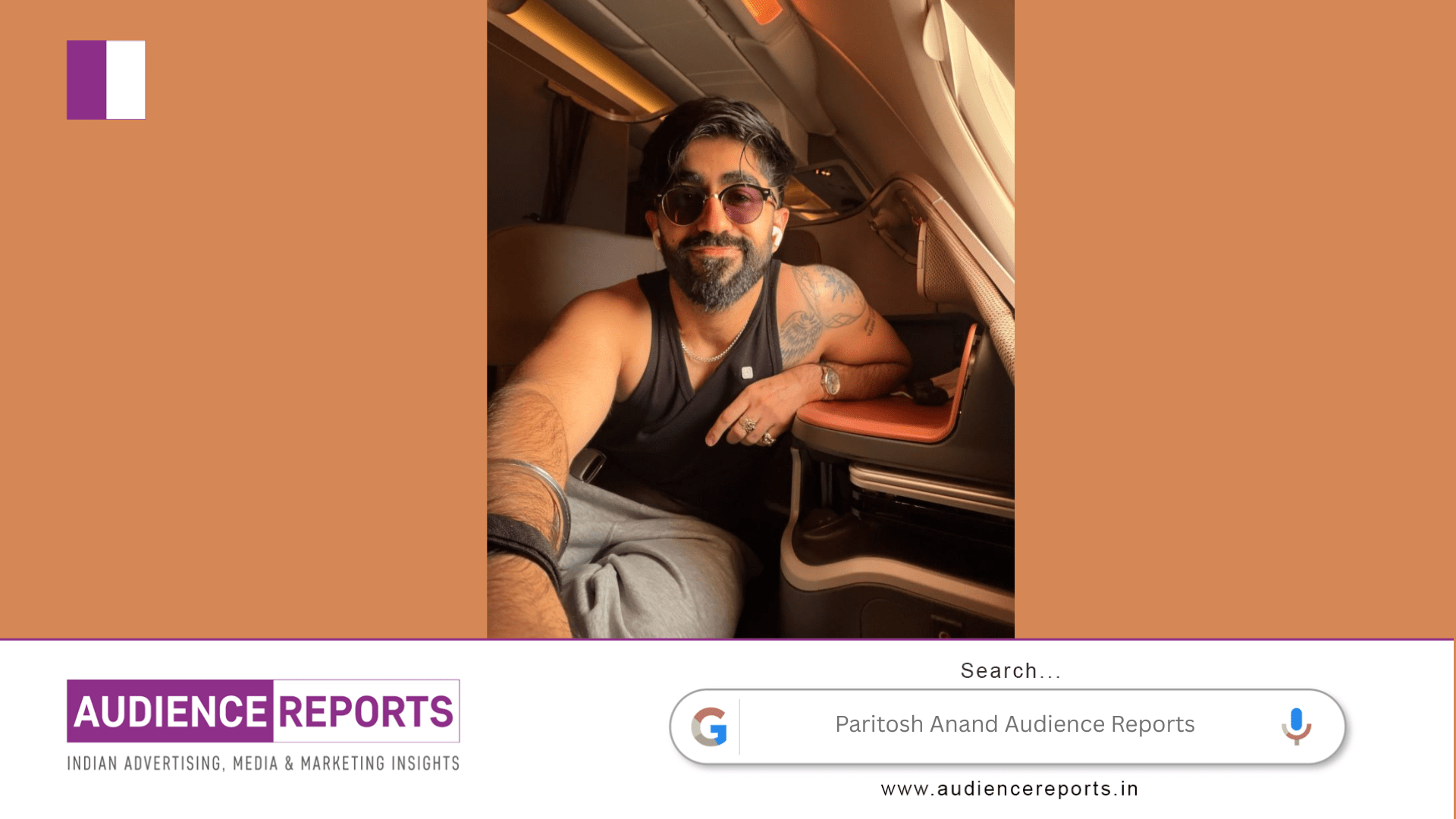
Paritosh Anand has raised an uncomfortable but important question about how society measures success. With 1.3 million followers, his reflection on not owning a dream car or luxury watch challenges the assumption that a large audience automatically translates into visible wealth. More importantly, Paritosh Anand uses this experience to question whether luxury should be defined by what people can see or by how effectively money can improve everyday life.
The world of creators and influencers often places enormous attention on appearances. Luxury cars, expensive watches, designer clothing, premium vacations, and exclusive experiences can become symbols of achievement. Paritosh Anand’s post takes a different direction. Instead of presenting these objects as proof of success, he discusses the value of using money to create greater freedom, comfort, and time.
At the beginning of his career, Paritosh Anand admits that he once viewed luxury differently. Like many ambitious people, he imagined that reaching a certain level of success would mean buying recognizable brands and displaying them publicly. A Gucci hoodie, an expensive watch, or a luxury car could become evidence that the effort had paid off. But experience can change the meaning of achievement.
For Paritosh Anand, the more meaningful form of luxury is increasingly connected to convenience and freedom. Business-class travel, for example, may provide greater comfort during a journey, while a skilled team can reduce the amount of time spent handling routine responsibilities. These choices may not create the same visual impact as a luxury watch, but they can have a much more practical effect on everyday life.
This distinction is particularly relevant for entrepreneurs and creators. Building an audience is one challenge; building a sustainable life around that success is another. Paritosh Anand’s message points toward the second challenge. Followers, visibility, and recognition can create opportunities, but they do not automatically create personal freedom. The way income is used can determine whether professional success actually improves someone’s quality of life.
One of the strongest ideas in Paritosh Anand’s post is his comparison between a skilled team and a watch. A watch tells time, but a capable team can create time. That difference represents a broader entrepreneurial principle: resources should ideally be used to increase capacity. Hiring people who can perform specialized work can allow founders to concentrate on decisions, relationships, creativity, and long-term strategy.
Paritosh Anand also places family above status symbols. His willingness to prioritize frequent flights to visit his parents over another designer item presents a different definition of wealth. Financial success becomes meaningful when it allows a person to spend time with the people who matter. In this sense, money is not the destination. It is a tool that can make important choices more accessible.
There is also an important lesson in Paritosh Anand’s comments about daily life. Having people or systems that help manage food, routines, and other responsibilities may appear less glamorous than buying luxury products, but these forms of spending can remove friction from everyday living. They can give someone more mental space to focus on work, relationships, health, creativity, or rest.
The idea does not mean that buying a dream car or luxury watch is inherently wrong. People have different priorities, and material possessions can provide genuine enjoyment. The more useful question is why a person is spending money. Is the purchase improving their life, fulfilling a personal goal, or simply communicating success to other people?
Paritosh Anand’s statement that the dream car can come later captures this balance. He does not reject ambition or luxury altogether. Instead, he suggests building the foundation first. A dream car can be purchased eventually, but a dream life requires more than a vehicle sitting in a driveway. It requires time, relationships, freedom, stability, meaningful work, and the ability to make choices without constantly being controlled by external expectations.
Paritosh Anand’s perspective also offers an interesting lesson for people entering the creator economy. Followers should not be confused with financial security. Visibility should not automatically be confused with wealth. And online presentation should not be treated as a complete representation of someone’s real life. Behind every public profile exists a private set of priorities, responsibilities, expenses, and decisions that followers may never see.
Ultimately, Paritosh Anand’s post shifts the conversation from looking rich to living well. The distinction matters because social media can encourage constant comparison. Someone else’s car, watch, vacation, or lifestyle may appear to represent the destination, while the reality behind it remains unknown.
Paritosh Anand reminds readers that financial progress can be measured in less visible ways: having more control over time, being able to support family, building a capable team, reducing daily stress, and creating greater freedom. These achievements may not always photograph as impressively as a luxury product, but they can have lasting value.
Paritosh Anand’s central message is therefore not simply about rejecting expensive possessions. It is about putting priorities in the right order. Earn, build, invest, create systems, support the people you love, and use money to expand your freedom. The symbols of success can come later.
Paritosh Anand’s dream car may still arrive one day. But his post suggests that the more important achievement is having a life in which buying that car is a choice rather than a declaration of worth. That is a useful distinction in an age where success is often displayed before it is truly experienced.