

















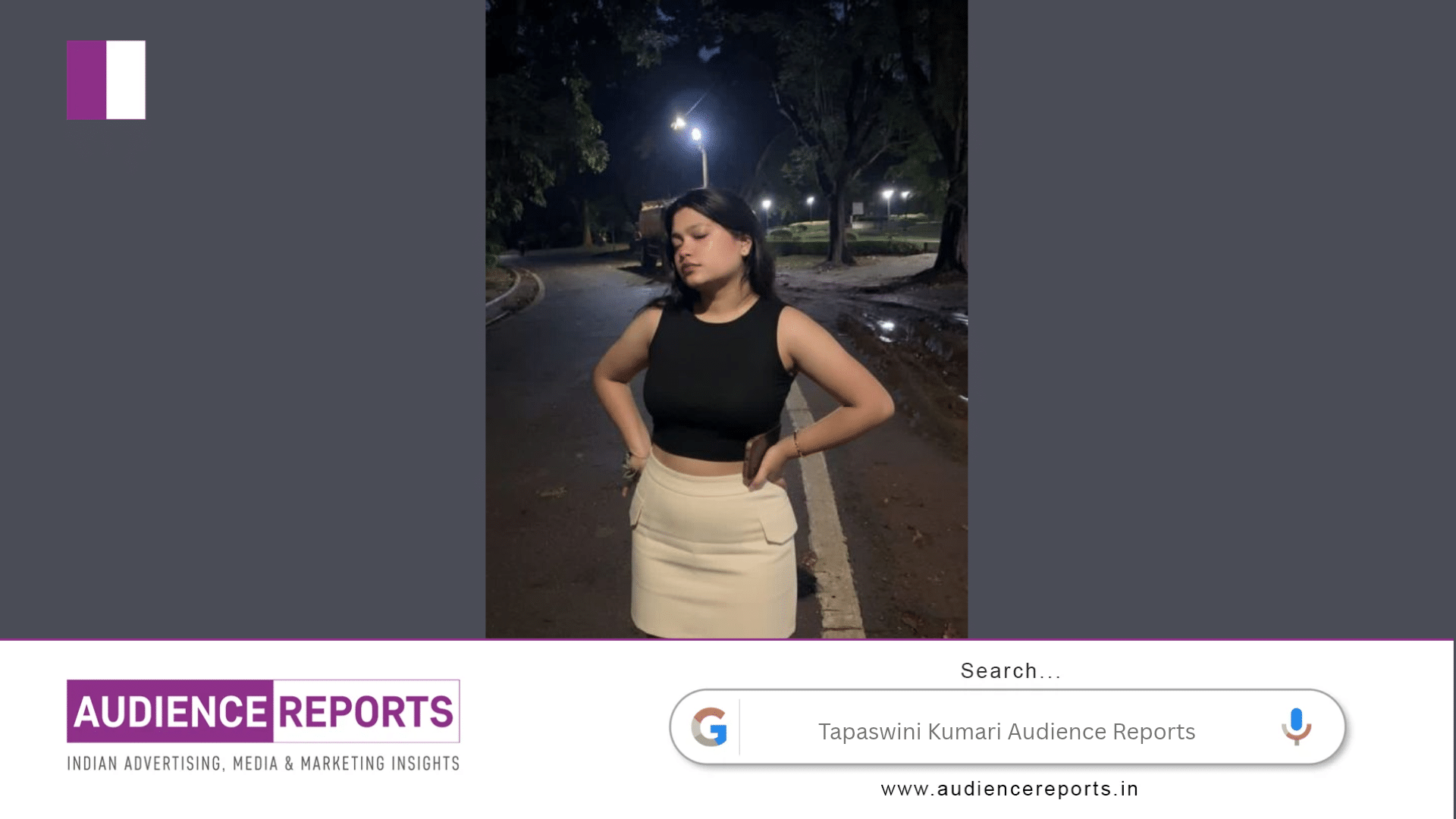
Tapaswini Kumari’s journey reflects an important lesson about professional growth: building something meaningful requires more than skills and opportunities. It requires consistency, self-belief, the courage to make independent decisions, and the willingness to learn from the people around us. Her reflections offer a realistic perspective on balancing professional responsibilities, personal ambitions, relationships, and the process of creating an identity of one’s own.
Working in content creation often means helping others communicate their ideas, strengthen their presence, and build their professional identity. For Tapaswini Kumari, preparing content calendars, presentations, and strategies for clients is part of her regular routine. She ensures that client work is planned well in advance, often completing everything at least a week before its schedule. However, when it comes to creating content for herself, the process sometimes gets postponed until early morning.
This situation highlights something many professionals experience. It is often easier to organise opportunities for others than to prioritise personal growth. People working in creative and service-oriented fields frequently invest their time in helping clients achieve visibility while overlooking their own platforms. Tapaswini Kumari’s experience reminds professionals that personal branding also deserves consistent attention. Building authority requires showing up, sharing perspectives, and allowing people to understand the person behind the work.
The Changing Meaning of Professional Independence
Another important aspect of Tapaswini Kumari’s reflections is the growing interest among young professionals in freelancing and entrepreneurship. Across industries, more individuals are exploring independent careers, starting agencies, and developing businesses around their expertise.
This shift represents a changing understanding of professional success. For many young professionals, a career is no longer defined only by a job title or a position within an organisation. They also want the freedom to make decisions, experiment with ideas, and take responsibility for their own progress.
Tapaswini Kumari acknowledges that restrictive working environments can sometimes limit creativity and individual initiative. While discipline, guidance, and organisational structure are essential, the way teams are managed can significantly influence their ability to contribute.
A healthy professional environment should provide direction without unnecessarily restricting independent thinking. Employees need clarity about expectations, but they also need room to explore better methods and express their ideas. When people are trusted with responsibility, they often become more engaged with their work.
The growing interest in independent careers also brings its own challenges. Freelancing and entrepreneurship demand consistency, financial planning, client management, communication, and accountability. Freedom does not eliminate responsibility. Instead, it changes where that responsibility lies. Tapaswini Kumari’s observations encourage young professionals to think carefully about what kind of working life they want to create.
The Value of Relationships Built Through Hard Work
Professional growth is rarely an individual achievement. Behind many career journeys are colleagues, mentors, friends, and people who provide encouragement during important transitions.
Tapaswini Kumari shares an interesting observation about friendships. She does not describe having a large social circle, but she values the hardworking people who have become part of her life. Some of these relationships began in professional environments and gradually developed into genuine friendships.
Her mother’s advice about choosing hardworking friends carries a meaningful message. Surrounding ourselves with people who are committed to learning and improving can influence our own habits and decisions.
The people around us often shape how we approach challenges. Conversations with ambitious friends can introduce new perspectives, create opportunities for collaboration, and encourage us to remain focused when progress becomes difficult.
Tapaswini Kumari’s experience also highlights that meaningful relationships do not always begin outside the workplace. Colleagues can become trusted friends when professional interactions develop into mutual respect and understanding. Such connections can make demanding career journeys more balanced and rewarding.
However, the value of these relationships goes beyond professional networking. Genuine friendships provide space for honest conversations, shared experiences, and mutual support. Growth becomes more sustainable when people encourage one another without turning every relationship into a competition.
Creating a Life That Reflects Personal Choices
One of the most meaningful parts of Tapaswini Kumari’s post is her reflection on the phase of life she is currently experiencing. She describes it as a good period, not because everything is perfect or because she has achieved every ambition, but because she is building something of her own.
This distinction is important. Many people measure progress through visible milestones such as income, job titles, business achievements, or social recognition. While these achievements matter, they do not always represent the complete picture of personal development.
Sometimes, progress means having the confidence to make decisions independently. Sometimes, it means having control over how time is spent, choosing the direction of a career, or working towards a future that reflects personal values.
For Tapaswini Kumari, building something independently represents more than professional ambition. It is also about creating a lifestyle that feels authentic to her. This understanding makes her journey relatable to individuals who are still discovering their own definition of success.
Remembering Where the Journey Began
Coming from Jagannathpur, a small town, Tapaswini Kumari reflects on how far she has travelled despite not growing up with many privileges. Her background adds an important dimension to her perspective.
Every individual’s starting point is different. Some people have access to resources, professional networks, and guidance from an early age, while others must gradually create those opportunities for themselves.
A person’s background does not have to determine the limits of their ambitions. Access to opportunities, continuous learning, practical experience, and the willingness to take calculated risks can help individuals move towards goals that once seemed distant.
Tapaswini Kumari’s journey is a reminder that progress should also be measured against where someone started. Recognising personal growth does not mean believing that the journey is complete. It means appreciating the effort, experiences, and decisions that made the present possible.
Building Authority Through Authentic Experiences
For someone helping founders and executives build authority on LinkedIn, these personal reflections connect directly with the importance of authentic professional communication.
Building authority is not simply about publishing frequently or sharing industry-related information. It is about developing a recognisable perspective, communicating consistently, and allowing an audience to understand the values behind the professional identity.
Tapaswini Kumari’s post demonstrates that everyday experiences can provide meaningful content. Reflections about work, independence, friendships, family advice, and personal milestones can create conversations that go beyond conventional professional updates.
People do not connect only with achievements. They also relate to the decisions, challenges, and lessons that shape those achievements.
The ability to communicate these experiences clearly is an important part of personal branding. Tapaswini Kumari’s professional focus and personal reflections show how professional authority and individual authenticity can exist together.
Growth Is a Journey, Not a Finished Destination
Tapaswini Kumari’s story does not present success as a final destination. Instead, it highlights the importance of recognising progress while remaining open to future possibilities.
There will always be new goals, responsibilities, uncertainties, and lessons. Building an independent career requires patience, and maintaining meaningful relationships requires effort. Creating a personal identity requires the courage to communicate openly and consistently.
Her reflections also remind us to appreciate the people and experiences that contribute to our development. Gratitude does not mean becoming comfortable with the present or giving up on bigger ambitions. It means recognising the value of the journey while continuing to move forward.
Ultimately, Tapaswini Kumari’s experience offers a simple but meaningful perspective: a fulfilling life is not necessarily one in which everything happens according to plan. It is one in which individuals gradually gain the confidence to make their own choices, build meaningful relationships, pursue their ambitions, and create a future that reflects who they want to become.
The journey may still be long, but every independent decision, every lesson learned, and every genuine connection becomes part of the foundation for what comes next.