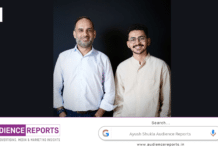






























Akash Gupta believes that finding good talent is not simply about searching for impressive resumes or candidates with years of professional experience. It is about identifying people who have the curiosity to understand a business, the courage to take initiative and the determination to solve real problems. In a competitive business environment, where every organisation wants capable people, Akash Gupta highlights an important shift in how companies should approach hiring.
For many founders, recruitment is one of the most challenging responsibilities. Finding someone with the right skills, attitude and commitment can take considerable time. However, Akash Gupta looks beyond traditional hiring methods. He believes that a person’s ability to think independently and demonstrate initiative can reveal more about their potential than a list of qualifications.
Looking Beyond Resumes
A resume provides information about someone’s education, previous employment and professional achievements. While these details are useful, they cannot always explain how a person responds to unfamiliar situations or handles responsibilities without supervision.
Akash Gupta observes that he receives hundreds of messages every month through email, LinkedIn and other social media platforms. Among these messages, the candidates who attract his attention are not necessarily those with the most impressive professional backgrounds. Instead, they are individuals who take time to understand what the company is building.
They identify a challenge, study the situation and approach the organisation with a thoughtful solution. This process demonstrates curiosity, preparation and problem-solving ability.
For Akash Gupta, such efforts indicate that a candidate is genuinely interested in contributing rather than simply looking for an employment opportunity. It also reflects an important professional quality: the willingness to understand a problem before suggesting an answer.
Hunger and Hustle as Professional Strengths
Experience has its own value. It helps professionals understand industry practices, avoid common mistakes and make informed decisions. However, experience alone does not guarantee innovation, adaptability or ownership.
Akash Gupta believes that hunger and hustle can sometimes create opportunities that conventional experience cannot. Hunger represents the desire to learn, improve and achieve something meaningful. Hustle reflects the willingness to put that desire into action.
People with these qualities do not always wait for someone to explain every step. They observe their surroundings, ask relevant questions and explore possible solutions.
This approach is particularly important in growing businesses, where responsibilities frequently change and employees must adapt to new challenges. Akash Gupta’s perspective suggests that organisations should evaluate not only what candidates have already accomplished but also what they are willing to take responsibility for accomplishing.
The Freshis to CEO Program: Learning Through Responsibility
One of the practical examples of this hiring philosophy is the Freshis to CEO program launched by Akash Gupta through Instagram and LinkedIn for hiring new talent at Zypp.
The concept was straightforward: candidates would get an opportunity to run a Zypp hub for 90 days and demonstrate their capabilities through actual work.
Rather than making professional experience the primary requirement, the initiative encouraged applicants to step outside traditional recruitment processes. They were expected to visit company hubs, interact with delivery partners and mechanics, understand operational difficulties and return with practical solutions.
This approach changed the nature of the hiring process.
Instead of relying entirely on interviews, candidates were given an opportunity to experience the business environment directly. Their ability to observe, communicate, analyse and act became an important part of the evaluation.
Akash Gupta’s initiative demonstrates how organisations can create opportunities for individuals who may not have extensive professional experience but possess the determination to learn and contribute.
It also reinforces the importance of understanding business operations from the ground level. A person managing a business unit must understand the people, processes and challenges that influence everyday performance.
Ownership Is More Important Than Waiting for Instructions
One of the strongest ideas in Akash Gupta’s post is the importance of ownership.
In many workplaces, employees become accustomed to completing tasks only after receiving instructions. While following processes is necessary, organisations also need individuals who can recognise problems independently and take responsibility for addressing them.
Ownership means understanding that a responsibility does not end with identifying a problem. It also involves exploring solutions, coordinating with others and following through until meaningful progress is achieved.
For example, visiting a delivery hub and noticing operational difficulties is only the first step. Understanding why those difficulties exist and developing practical ways to address them requires deeper involvement.
Akash Gupta believes that people who demonstrate this mindset can develop into builders within an organisation. They do not simply perform assigned duties; they actively contribute to improving the business.
A New Direction in Hiring: Demonstrating Ability Through Action
Akash Gupta also connects this philosophy with the hiring approach followed by Wispr Flow, a company whose product he personally uses.
According to his post, Wispr Flow received nearly 2,000 internship applications but recognised a growing challenge in modern recruitment. Artificial intelligence has made it easier for candidates to prepare polished applications, making it increasingly difficult for employers to distinguish genuine abilities through written submissions alone.
The company’s alternative approach encourages candidates to create an interactive version of their personal story using voice.
This gives applicants an opportunity to communicate how they think, what matters to them, which risks they have taken and what they have learned from their experiences.
The idea reflects a broader change in recruitment. As technology makes conventional application materials easier to produce, employers need better ways to understand the individuals behind those applications.
Akash Gupta sees value in this shift because it focuses on the candidate’s thinking process rather than presentation alone.
Building a Culture That Encourages Initiative
A company’s hiring strategy also influences its internal culture. When organisations consistently identify and encourage people who take initiative, they create an environment where employees feel responsible for contributing ideas and improving processes.
Akash Gupta’s approach highlights the importance of giving people opportunities to demonstrate their capabilities. Not every talented individual has access to an impressive professional network, an established career history or the perfect resume.
Some people develop their strongest abilities through practical experiences, independent learning and solving problems in unfamiliar environments.
A hiring process that recognises these qualities can help organisations discover talent that traditional recruitment methods might overlook.
However, identifying potential is only one part of the process. Companies must also provide clear expectations, meaningful responsibilities and opportunities for continuous development.
Creating Proof Instead of Just Making Promises
The central message behind Akash Gupta’s perspective is that professional potential should be demonstrated through action.
Saying that someone is hardworking, adaptable or innovative is easy. Showing these qualities through preparation, problem-solving and consistent effort is more meaningful.
Candidates who research a company, understand its challenges and present thoughtful solutions create evidence of their interest and abilities. Similarly, individuals who accept responsibility and work through difficult situations demonstrate qualities that cannot always be measured through interviews.
For Akash Gupta, the future of hiring lies in understanding how people think, solve problems and build something valuable.
The lesson extends beyond recruitment. Professionals at every stage of their careers can benefit from taking initiative, developing practical skills and creating visible proof of their capabilities.
Ultimately, opportunities are not always secured by having the longest resume or the most polished introduction. They are often created by demonstrating a genuine willingness to understand, contribute and take responsibility.
Akash Gupta’s hiring philosophy offers a useful reminder for both employers and job seekers: experience can open doors, but curiosity, hunger, hustle and ownership can determine what happens after those doors open.