



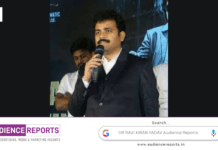































Swapnil Tripathi highlights a challenge that many growing B2B companies face but often struggle to identify: revenue stagnation despite continued effort. When a business reaches a certain level of success and its revenue remains almost unchanged for years, the problem may not be a lack of ambition, demand, or product value. It may be the sales system that helped the company grow in the first place.
Swapnil Tripathi points out that businesses generating $2 million to $10 million in revenue can become heavily dependent on their founders. The founder joins important sales calls, builds relationships, handles objections, and closes deals. While this approach works during the early stages, it becomes difficult to sustain when the company wants to grow beyond its existing limits.
Swapnil Tripathi explains that hiring salespeople alone does not automatically solve the problem. If new employees cannot consistently close deals without the founder’s involvement, the company may still be relying on the same sales structure that created its earlier success. The team grows, but revenue remains nearly the same.
Another important observation from Swapnil Tripathi’s post is the dependence on personal networks. Many companies acquire their best customers through existing relationships, referrals, and connections. These channels are valuable, but they can become limiting when the business needs to reach a larger and more predictable market. Sustainable growth requires a repeatable process for identifying prospects, building trust, communicating value, and converting opportunities.
Swapnil Tripathi also draws attention to the cycle of quarterly planning. Businesses repeatedly introduce new strategies, set ambitious targets, and review their performance, yet finish the quarter close to where they started. This pattern suggests that changing plans without improving the underlying sales process may not produce meaningful results.
The perspective shared by Swapnil Tripathi shifts the conversation from working harder to building better systems. Revenue growth requires sales processes that can operate consistently, teams that understand how to execute, and strategies that do not depend entirely on one individual’s availability.
Swapnil Tripathi’s central message is that a company may not have stopped growing because its market opportunity has disappeared. It may simply have outgrown the way it sells. Recognizing that difference is the first step toward building a scalable business, creating predictable revenue, and moving beyond a plateau.