
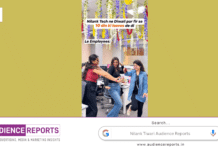



























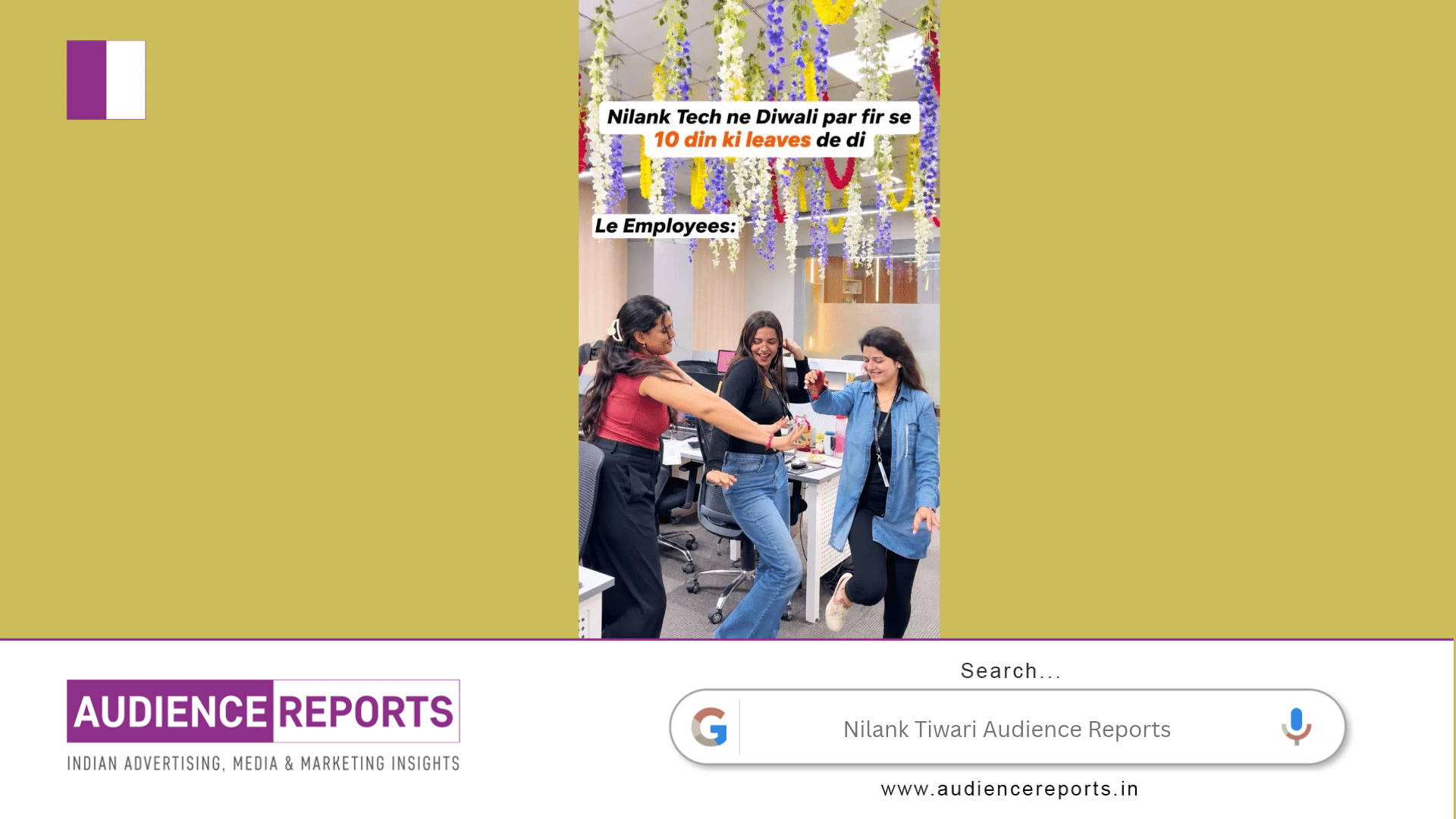
Nilank Tiwari believes that leadership is not only about building a business, achieving targets, or maintaining productivity. It is also about understanding the people behind the work and recognizing the importance of their personal lives. His decision to provide ten days of Diwali holidays at Nilank Tech reflects a perspective that places employee well-being, family connections, and personal experiences alongside professional responsibilities.
Nilank Tiwari’s announcement of ten days of Diwali holidays may appear unusual in a business environment where long weekends and limited festival leave are common. However, the reason behind this decision is rooted in a personal experience that many working professionals can relate to. It is the experience of living away from family, travelling long distances during festivals, and feeling that the time spent at home is never enough.
For many employees, festivals are among the few occasions when they can reconnect with their families. Yet, limited leave often turns these moments into rushed experiences. Travelling consumes valuable time, and the thought of returning to work begins to occupy the mind even before the celebrations are over. Nilank Tiwari remembers this feeling from his own days as an employee.
When he worked in a job, he often received only two or three days of leave during festivals. For someone living far from home, those days were not entirely available for family. Travel took up a significant portion of the break, leaving very little time to relax, celebrate, or simply enjoy being around loved ones. The familiar feeling of packing bags and returning to another city after a short visit became an experience he did not want his own team to go through.
This memory has influenced the way Nilank Tiwari approaches leadership today. Instead of viewing festival leave only as an interruption to business operations, he sees it as an opportunity to give employees something meaningful. Ten days away from work can provide the space people need to travel without rushing, reconnect with family, participate in traditions, and return with a sense of satisfaction.
Nilank Tiwari’s decision also highlights an important aspect of workplace culture: policies often become more meaningful when they are shaped by real experiences. Employee benefits are frequently discussed in terms of compensation, incentives, and professional development. While these are important, the value of time should not be overlooked. Time with family, time to rest, and time to experience life outside work are equally significant aspects of an employee’s well-being.
At Nilank Tech, this ten-day Diwali break represents an effort to make the workplace more considerate of the realities employees face. It is not a promise to solve every challenge in their lives, but a practical step toward making one particular period of the year more comfortable and enjoyable. Such decisions demonstrate that even small changes in workplace policies can have a meaningful impact on people’s experiences.
Nilank Tiwari also brings attention to the relationship between productivity and personal happiness. Businesses naturally depend on deadlines, goals, performance, and consistency. However, the people responsible for achieving these goals have lives, responsibilities, relationships, and emotions beyond their professional roles. Recognizing these realities does not necessarily weaken a business. Instead, it can encourage a healthier understanding of what sustainable work actually looks like.
The idea that employees should always prioritize work, regardless of personal circumstances, is gradually being challenged. People increasingly value organizations that respect their time and understand that meaningful work cannot exist independently of personal well-being. Nilank Tiwari’s decision offers a simple reminder that leadership can sometimes be expressed through the flexibility to give people more time rather than asking them to give more of their own.
The ten-day Diwali holiday at Nilank Tech is also an example of how personal experiences can influence organizational decisions. A founder’s memories of feeling rushed during festivals have become a reason to create a different experience for his employees. Nilank Tiwari has taken a feeling that many people silently experience and translated it into a workplace decision that directly addresses it.
This approach does not mean that every organization can adopt the same holiday schedule. Different businesses operate under different requirements, responsibilities, and limitations. What matters is the thought behind the decision and the willingness to consider employee needs when designing workplace policies.
Nilank Tiwari’s message encourages businesses to think beyond the usual measures of success. Revenue, growth, customer satisfaction, and operational efficiency remain important, but they are not the only indicators of a company’s values. The way an organization treats its people during important moments in their lives can also reveal the kind of culture it is trying to build.
Ultimately, ten days of Diwali holidays are more than just an extended break from work. They represent the value of time, the importance of family, and the understanding that professional life should leave room for personal happiness. Through this decision, Nilank Tiwari reminds us that leadership does not always require grand gestures or complicated strategies. Sometimes, it begins with remembering what mattered to us when we were in someone else’s position and choosing to make that experience better for others.