






















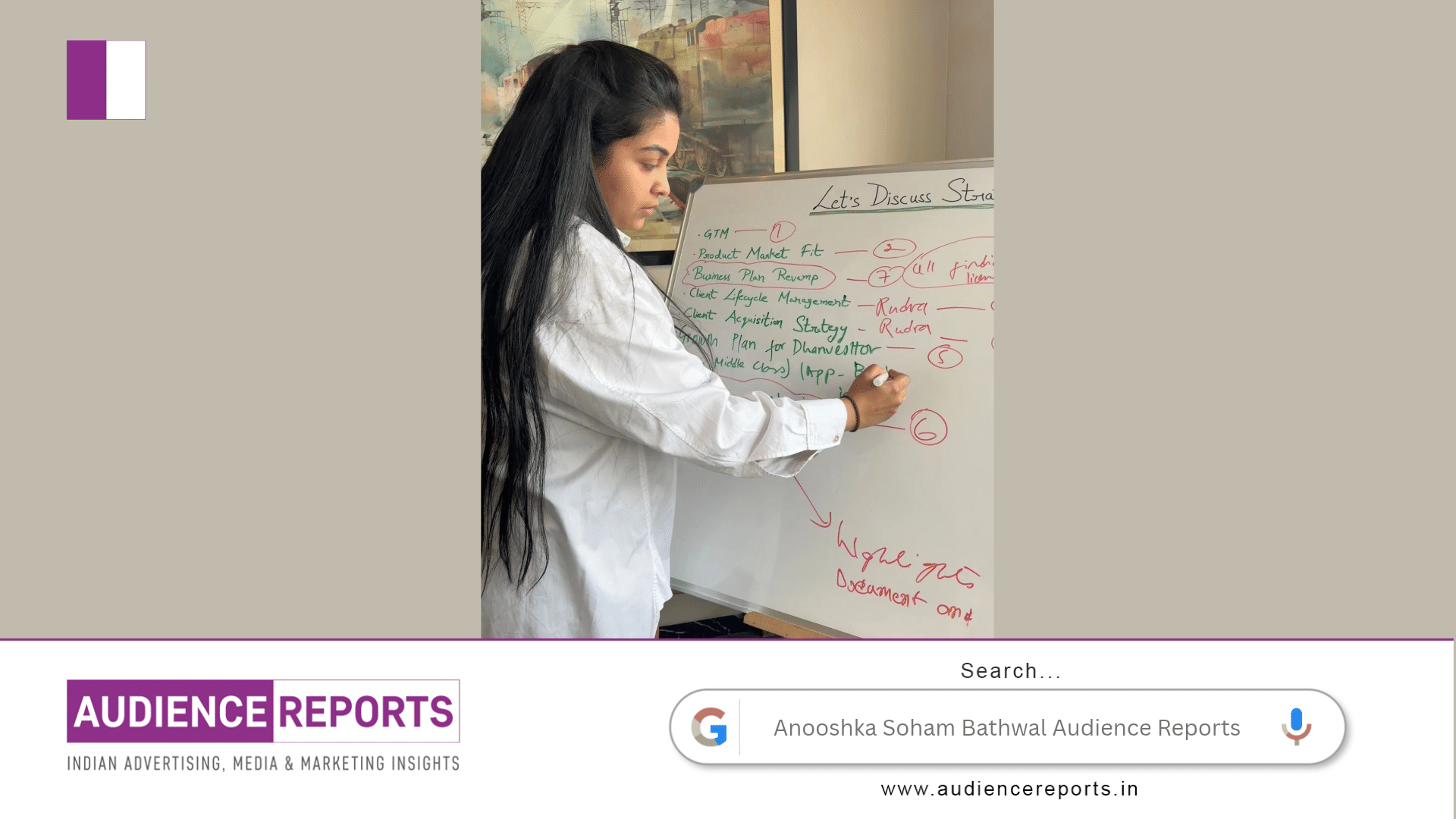
Anooshka Soham Bathwal highlights an important reality about financial responsibility in Indian households: the person who understands how money is managed is not always the person who formally controls the investments. In many families, women quietly manage daily expenses, household budgets, school fees, grocery purchases, medical needs, and financial priorities. Their decisions often shape the family’s financial stability, even when they are not directly involved in investment planning. Through her perspective, Anooshka Soham Bathwal draws attention to why financial education for women deserves greater importance.
As Founder and CEO of Dhanvesttor, Anooshka Soham Bathwal emphasizes that financial awareness should not be treated as a specialized subject reserved for investors, professionals, or people with substantial wealth. It is a practical skill that influences everyday decisions. Understanding money is not simply about earning more or investing in financial products. It is about knowing how resources are managed, how priorities are established, and how financial choices affect the future.
In many Indian households, women are deeply involved in maintaining financial balance. They understand what the family needs, which expenses are unavoidable, where adjustments can be made, and how to manage unexpected situations. Yet, this knowledge does not always translate into participation in formal financial decisions. Anooshka Soham Bathwal brings attention to the gap between managing household finances and having the confidence to understand investments, savings, and wealth creation.
The distinction matters because financial responsibility without financial knowledge can limit opportunities. A person may be capable of managing an entire household budget but still feel uncomfortable discussing mutual funds, investment strategies, retirement planning, or long-term wealth creation. This is not necessarily a lack of intelligence or ability. It can be the result of limited exposure, social expectations, and a financial environment that has historically encouraged men to take the lead.
Anooshka Soham Bathwal challenges the idea that women are simply another audience for financial services. Her perspective suggests that women already occupy an influential position in the financial life of a family. They are not outsiders who need to be introduced to money management. They are participants whose existing responsibilities can be strengthened through better financial knowledge.
When a woman becomes financially aware, the impact may extend beyond her individual decisions. She may begin questioning traditional approaches to saving, evaluating financial risks more carefully, and discussing long-term goals with her partner. She may encourage her parents to reconsider their retirement planning or help her children understand the difference between spending, saving, and investing.
This is where financial education becomes more than personal development. Anooshka Soham Bathwal describes a process through which knowledge can move from one person to another. A conversation about investments at home can influence another family member. A discussion about financial independence can change expectations for the next generation. Over time, these conversations can make financial awareness a normal part of family life rather than something discussed only during a crisis.
The idea of financial knowledge compounding is particularly meaningful. Investment returns may grow through time, discipline, and consistency, but knowledge also compounds through repeated use. Someone who learns the importance of emergency savings today may make better decisions during a difficult period tomorrow. Someone who understands risk may avoid impulsive financial choices. Someone who becomes comfortable asking questions may make more informed decisions throughout life.
Anooshka Soham Bathwal’s message also raises a broader question about how financial institutions approach women. If women are viewed only as a demographic category, financial education may become another marketing exercise. But if they are recognized as decision-makers, financial services can become more relevant, accessible, and useful. The focus should be on building understanding rather than simply selling financial products.
For organizations working in wealth management and financial education, this perspective creates a responsibility to communicate clearly. Investment concepts should not be unnecessarily complicated. Financial discussions should encourage participation rather than create intimidation. Women should have the opportunity to understand the decisions being made, evaluate alternatives, and develop confidence in managing their own money.
Anooshka Soham Bathwal’s argument is ultimately about influence, but influence must be supported by access, information, and practical knowledge. Recognizing women’s contribution to household financial management is an important starting point. Giving them the tools to participate in wealth creation is the next step.
Financial awareness cannot eliminate every challenge a family faces. Income limitations, rising expenses, economic uncertainty, and unequal opportunities remain real concerns. However, knowledge can improve the way people respond to these challenges. It can help them plan instead of react, evaluate instead of assume, and make decisions with a clearer understanding of consequences.
The larger lesson from Anooshka Soham Bathwal is that financial education should not stop with the individual who attends a workshop, reads an investment guide, or opens an account. Its value becomes greater when it influences everyday conversations, household decisions, and the way younger generations understand money.
A financially informed woman can contribute to more than her own financial security. She can help build a household where money is discussed openly, financial goals are shared, and investment decisions are made with greater understanding. When that knowledge moves from one person to another, its influence can continue long after the original learning takes place.
That is the real opportunity behind financial education: not merely creating better investors, but creating families and communities that make more informed financial decisions over time. And as Anooshka Soham Bathwal emphasizes, when women gain the knowledge to understand and use money effectively, the benefits can reach far beyond the individual who learns first.