

































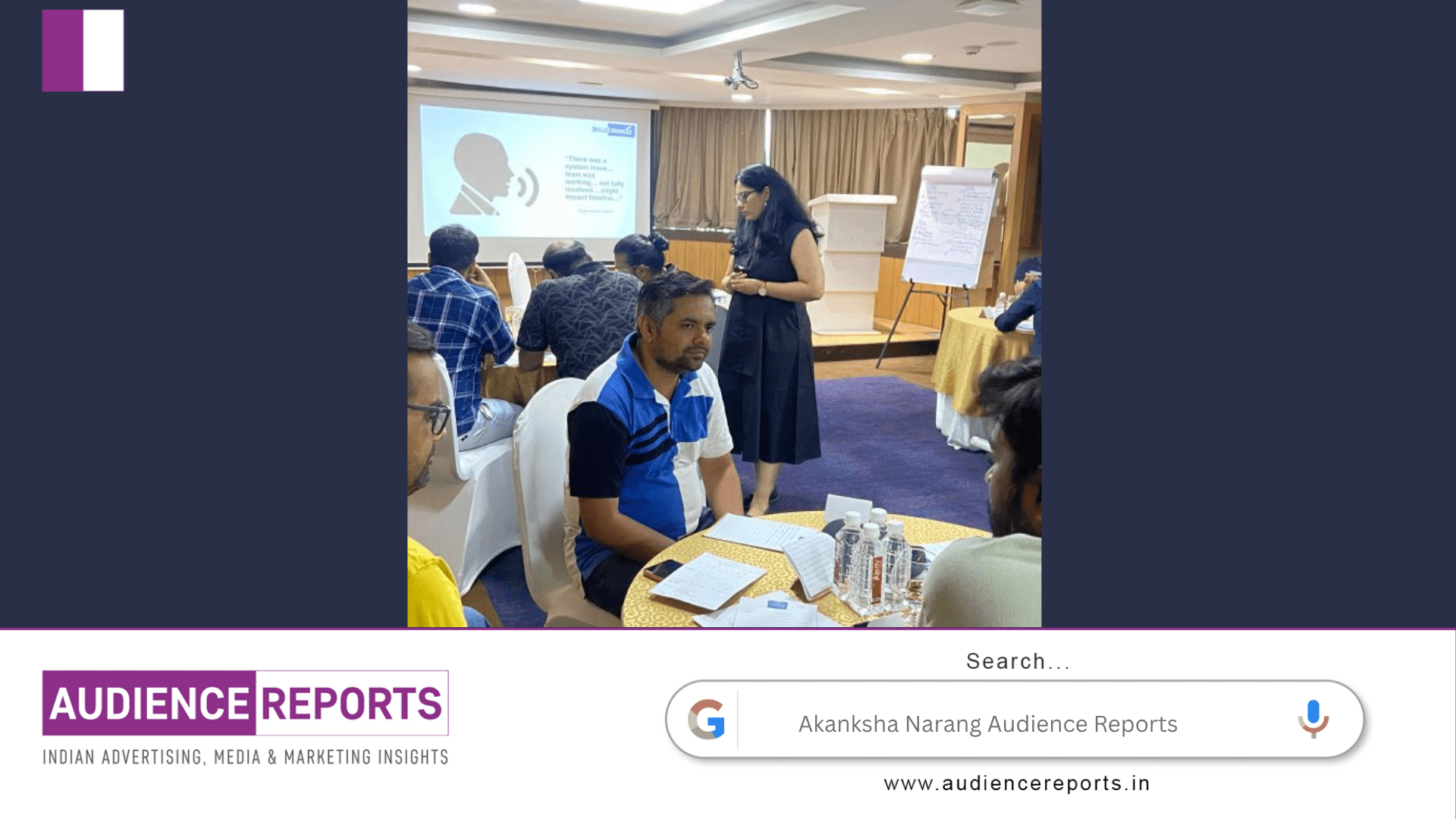
Akanksha Narang believes that the most effective learning experiences do not begin with presentations, frameworks, or lengthy explanations. They begin with curiosity. As a Corporate Trainer & Facilitator , she highlights an essential truth that applies far beyond training rooms: meaningful learning starts by asking thoughtful questions and genuinely listening to the answers. Akanksha Narang reminds us that when people feel understood before they are taught, they become more open to new ideas, deeper conversations, and lasting growth.
In today’s fast-paced professional world, organizations often focus on delivering information quickly. Training sessions are packed with slides, activities, and models designed to maximize learning within limited time. However, Akanksha Narang demonstrates that the true value of training lies not in how much content is delivered, but in how well that content connects with the people in the room. Curiosity allows trainers to understand participants before attempting to guide them.
Every audience brings unique experiences, challenges, and expectations. No two workshops are exactly alike because no two groups of learners are identical. Akanksha Narang emphasizes that asking thoughtful questions at the beginning of a session helps uncover these differences. Participants reveal what they struggle with, what inspires them, and what they hope to achieve. These insights help shape discussions that are relevant rather than generic.
Listening is equally important. Many people ask questions simply to move conversations forward or confirm assumptions. Genuine listening requires patience, attention, and openness. Akanksha Narang highlights that listening is not about preparing the next response but about understanding what participants truly mean. This creates an environment where people feel respected and valued, encouraging greater participation throughout the workshop.
Curiosity also transforms the role of the trainer. Instead of becoming the center of attention, the trainer becomes a facilitator of meaningful conversations. Akanksha Narang suggests that impactful sessions are not measured by how long the trainer speaks but by how actively participants think, engage, and contribute. This shift changes learning from a one-way transfer of information into a collaborative experience.
One of the strongest lessons from this perspective is that every answer reveals an opportunity. Participants’ responses expose knowledge gaps, misconceptions, fears, and aspirations. Akanksha Narang understands that recognizing these signals allows trainers to adapt their approach in real time. Rather than following a rigid agenda, they can focus on discussions that address actual needs, making every minute of the session more valuable.
This principle extends well beyond corporate training. Leaders, managers, teachers, mentors, and even parents can benefit from approaching conversations with curiosity. Before offering advice or solutions, asking thoughtful questions often uncovers important details that would otherwise remain hidden. Akanksha Narang reminds us that understanding someone’s perspective first creates stronger relationships and more effective communication.
Curiosity also encourages continuous improvement for the trainer. Every workshop becomes an opportunity to learn from participants rather than simply teach them. New industries, different professional backgrounds, and diverse viewpoints introduce fresh perspectives that enrich future sessions. Akanksha Narang demonstrates that the best facilitators never stop learning because every interaction teaches them something new about people and the way they learn.
Creating psychological safety is another important outcome of curiosity. When participants realize their opinions are genuinely welcomed, they become more willing to share ideas, ask questions, and challenge assumptions. Innovation and creativity flourish in environments where people feel comfortable expressing themselves. Akanksha Narang shows that thoughtful questioning helps establish this trust from the very beginning of a session.
Many organizations measure training success through attendance, completion rates, or feedback scores. While these metrics have value, they rarely capture the depth of learning that occurs through meaningful conversations. Akanksha Narang encourages focusing instead on whether participants leave with new perspectives, practical insights, and greater confidence to apply what they have learned. These outcomes often emerge from dialogue rather than lectures.
One particularly powerful insight is that a single well-crafted question can have a lasting impact. Questions encourage reflection, challenge assumptions, and inspire independent thinking. Unlike answers, which may be forgotten over time, thoughtful questions often remain in people’s minds long after the workshop ends. Akanksha Narang illustrates that genuine learning frequently begins when individuals start exploring answers for themselves.
This approach also reflects a broader mindset of humility. Trainers do not need to assume they already know what every audience requires. Instead, they can remain curious, adaptable, and responsive. Akanksha Narang demonstrates that expertise becomes even more valuable when combined with the willingness to learn from participants rather than simply instruct them.
In an era where artificial intelligence, automation, and digital tools are rapidly changing workplaces, human-centered skills have become increasingly important. Curiosity, empathy, active listening, and meaningful communication cannot be replaced by technology alone. Akanksha Narang highlights qualities that help trainers, leaders, and professionals create authentic connections in environments where collaboration matters more than ever.
Ultimately, curiosity is not merely a technique for better facilitation, it is a mindset that strengthens every interaction. It encourages understanding before judgment, dialogue before instruction, and collaboration before conclusions. Akanksha Narang reminds us that people remember how they felt during a learning experience as much as they remember the content itself. When participants feel heard, challenged, and empowered to think differently, learning becomes meaningful and lasting.
The lesson is simple yet profound. Great training is not defined by perfect presentations or complex frameworks. It begins with asking sincere questions, listening with intention, and adapting to the people in front of you. Akanksha Narang demonstrates that curiosity remains one of the most powerful tools for creating learning experiences that inspire reflection, encourage growth, and leave a lasting impact on every participant.