

























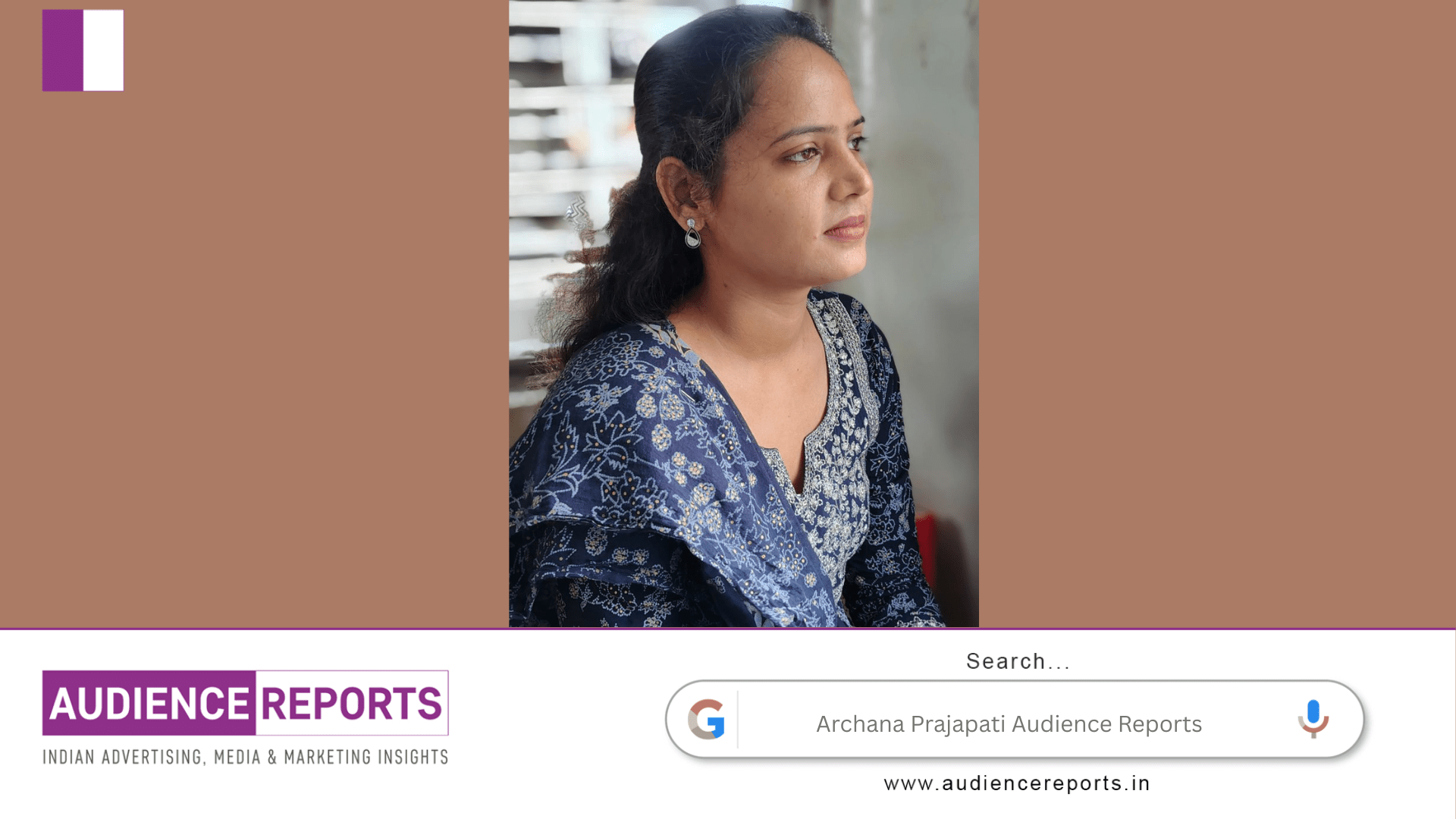
Archana Prajapati believes that a website should do far more than simply exist online. In her recent LinkedIn post, Archana Prajapati, highlights a challenge that many coaches, consultants, and service-based professionals face without realizing it: a website that “just sits there.” While many business owners invest significant time and money in creating a website, they often overlook whether it actively supports their business goals. Archana Prajapati, reminds us that every website communicates something, and the question is whether it encourages visitors to take action or quietly pushes them away.
A website is often the first interaction someone has with a business. Unlike a face-to-face meeting, there are no second chances to make a first impression. Archana Prajapati, explains that a website is never neutral. It is either building trust, answering questions, and guiding potential clients toward a decision, or it is creating confusion that causes visitors to leave without taking the next step.
One of the most valuable insights shared by Archana Prajapati, is the importance of clarity. Many websites attempt to communicate too many messages at once. Visitors arrive with one simple question: “Can this person help me?” If they cannot find the answer within a few seconds, they are likely to move on. A homepage should immediately explain what the business does, who it serves, and why it matters. Clear messaging eliminates confusion and helps visitors understand the value being offered.
Another key lesson from Archana Prajapati, is the importance of having one clear call to action. Some websites overwhelm visitors with multiple buttons, links, offers, and navigation choices. Instead of helping people make a decision, too many options often create hesitation. Whether the goal is scheduling a consultation, downloading a guide, or joining a newsletter, one obvious next step provides direction and improves the overall user experience. Simplicity often leads to better results than complexity.
Trust is another cornerstone of a successful website. Archana Prajapati, points out that people rarely make decisions based solely on attractive design or polished branding. They want evidence that the person behind the website can deliver real value. Authentic photographs, testimonials, client success stories, case studies, and measurable outcomes all contribute to building confidence. When visitors see genuine proof, they become more comfortable taking the next step.
Mobile performance is equally important in today’s digital environment. Archana Prajapati, emphasizes that most people discover businesses through their smartphones. If a website loads slowly, displays poorly, or requires excessive scrolling, visitors may leave before reading the content. Fast-loading pages, responsive layouts, readable text, and intuitive navigation are no longer optional features. They are essential components of a positive customer experience.
Another insightful point raised by Archana Prajapati, involves capturing potential leads. Not every visitor is ready to become a customer immediately. Some need more time to evaluate their options or gather additional information. Without an email subscription, downloadable resource, or another method of staying connected, those visitors may never return. Building an email list allows businesses to nurture relationships over time instead of relying solely on first-time website visits.
The five-question framework presented by Archana Prajapati, is practical because it encourages business owners to evaluate their websites from the perspective of a new visitor rather than from their own familiarity. Many entrepreneurs know their business so well that they assume everyone else understands it equally quickly. In reality, fresh visitors need clear guidance, logical structure, and simple navigation to understand the value being offered.
Continuous improvement is another message embedded in Archana Prajapati’s post. A website should not be viewed as a one-time project that remains unchanged for years. Customer expectations evolve, technology changes, and businesses grow. Regular reviews of website performance, user behavior, conversion rates, and visitor feedback help identify opportunities for improvement. Small adjustments made consistently often produce significant long-term results.
Businesses across industries can apply these lessons, not just coaches. Consultants, healthcare providers, educational institutions, freelancers, creative agencies, and local service providers all benefit from websites that communicate clearly and inspire confidence. Archana Prajapati, demonstrates that improving a website does not always require a complete redesign. Sometimes refining messaging, improving speed, simplifying navigation, or adding stronger social proof can make a noticeable difference.
Another important takeaway from Archana Prajapati, is that digital assets should support business growth around the clock. Unlike a salesperson who works limited hours, a website is available every minute of every day. It can answer questions, educate prospects, collect inquiries, schedule appointments, and generate leads even while business owners are focused on serving existing clients. Treating a website as an active business tool rather than a digital brochure changes how organizations approach their online presence.
The simplicity of asking five straightforward questions also makes the evaluation process accessible. Business owners do not need advanced technical knowledge to recognize whether visitors understand their message, whether the site feels trustworthy, or whether the next step is obvious. Archana Prajapati, encourages thoughtful observation instead of unnecessary complexity, making website optimization approachable for professionals at every stage of business growth.
Ultimately, Archana Prajapati, reminds us that every visitor represents an opportunity. A well-designed website respects that opportunity by offering clarity, credibility, speed, and direction. Businesses that regularly review their websites through the eyes of their audience are more likely to build meaningful connections and improve conversions over time.
In today’s competitive digital landscape, websites cannot afford to remain passive. They should educate, build trust, encourage engagement, and support business objectives consistently. The five questions shared by Archana Prajapati, serve as a practical checklist that any business owner can use to evaluate and strengthen their online presence. By focusing on user experience, clear communication, and continuous improvement, organizations can transform their websites into valuable assets that contribute to sustainable growth rather than simply occupying space on the internet.