




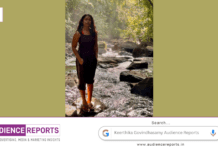






























Devi Mani shares a thoughtful observation that resonates far beyond a single evening in a lively bar. A casual travel experience with strangers became a reflection on how technology, social media, and digital validation have quietly changed the way many people experience life. Instead of simply remembering a joyful evening, Devi Mani – invites readers to question whether we are living moments or merely collecting proof that they happened. Her reflection encourages us to consider the growing distance between authentic experiences and carefully curated online identities.
The story begins with an ordinary social setting. A group of travelers gathers around a table, laughing, talking, and playing a lighthearted guessing game. Everyone is immersed in the conversation except one participant who spends most of the evening taking photographs. At first, it seems like a harmless habit. Yet as the evening unfolds, Devi Mani – notices something significant. While everyone else is creating memories together, one person is busy creating images of memories. The difference is subtle but meaningful.
When the photographs are reviewed, another reality becomes clear. The photographer appears polished and picture-perfect, while everyone else looks natural, carefree, and fully engaged in the moment. Devi Mani recognizes that although the young woman captured the evening beautifully, she may have missed the very experience those photographs were supposed to preserve. It raises an important question: what happens when documenting life becomes more important than living it?
Modern technology has given people remarkable opportunities to connect, share, and preserve memories. Social media allows individuals to celebrate achievements, stay in touch across continents, and inspire others. Yet Devi Mani highlights another side of this reality. For many young people, every experience now carries an invisible audience. Vacations, friendships, meals, celebrations, and even personal struggles can feel incomplete until they are shared online.
Growing up with social media has created unique challenges that previous generations never experienced. Instead of simply asking whether they enjoyed a moment, many people unconsciously ask whether the moment will make a good post. Devi Mani reminds readers that this constant awareness of an audience changes not only behavior but also identity. Every photograph, caption, and story gradually shapes how people perceive themselves.
The pressure is not necessarily driven by vanity. As Devi Mani thoughtfully observes, for many young adults, maintaining an online identity feels like survival. Employers, colleges, friends, and even strangers often form opinions based on digital profiles. Personal branding has become an expected part of modern life. In such an environment, investing time in creating attractive online content seems almost inevitable.
However, this creates a subtle psychological challenge. When people continuously perform for an audience, the distinction between their authentic self and their public image can slowly disappear. Devi Mani – encourages readers to think about this transformation. If every emotion is filtered before being expressed and every experience is evaluated based on how others will perceive it, genuine self-awareness becomes increasingly difficult.
One of the most thought-provoking ideas in Devi Mani’s reflection is the contrast between the “draft” and the “final cut.” Instead of simply feeling emotions, individuals may begin editing them mentally before expressing them. Conversations become performances. Adventures become content opportunities. Relationships become public stories rather than private experiences. Over time, the natural rhythm of life is replaced by continuous self-monitoring.
This phenomenon extends beyond social media influencers or celebrities. Everyday users experience similar pressures. Birthdays are photographed before celebrations begin. Meals are styled before they are tasted. Travel destinations become backdrops for content rather than places to explore. Devi Mani gently reminds us that while these practices appear harmless individually, together they can slowly shift our priorities away from genuine presence.
Authentic memories are created through the senses. They are remembered through laughter, conversations, sounds, weather, emotions, unexpected surprises, and shared connections. A photograph captures only one visual frame. Devi Mani – suggests that when too much attention is devoted to creating perfect images, people risk losing the richer memories that cannot be captured by a camera.
The younger generation deserves understanding rather than criticism. They did not create this environment; they inherited it. From an early age, they learned that digital visibility often influences opportunities, friendships, popularity, and confidence. Devi Mani acknowledges this reality with empathy instead of judgment. Rather than blaming technology, she asks thoughtful questions about how individuals can remain connected to themselves while navigating a highly connected world.
Perhaps the solution lies not in abandoning technology but in restoring balance. Taking photographs can preserve beautiful memories, but photographs should complement experiences rather than replace them. Posting achievements can inspire others, but genuine happiness should not depend on online reactions. Devi Mani – reminds readers that the richest moments often happen when nobody is watching.
Presence is becoming an increasingly valuable skill. Listening deeply during conversations, appreciating silence, embracing imperfect moments, and fully participating in life’s experiences create memories that no camera can fully reproduce. These moments build stronger relationships, deeper self-awareness, and greater emotional well-being.
The reflection shared by Devi Mani ultimately invites readers of every generation to pause and evaluate their own habits. Are we experiencing life directly, or are we constantly stepping outside ourselves to observe how it might appear to others? Are we remembering moments because we lived them or because we photographed them?
The closing thought offered by Devi Mani – carries lasting significance. Years from now, the most meaningful memories will rarely be the perfectly edited photographs. Instead, they will be the conversations that lasted longer than expected, the laughter that couldn’t be controlled, the unexpected adventures, and the ordinary moments that felt extraordinary because we were fully present. In a world increasingly focused on documenting everything, Devi Mani – offers a timeless reminder: the footage is never more valuable than the life itself, and true fulfillment comes from participating in moments rather than simply preserving evidence that they happened.