


































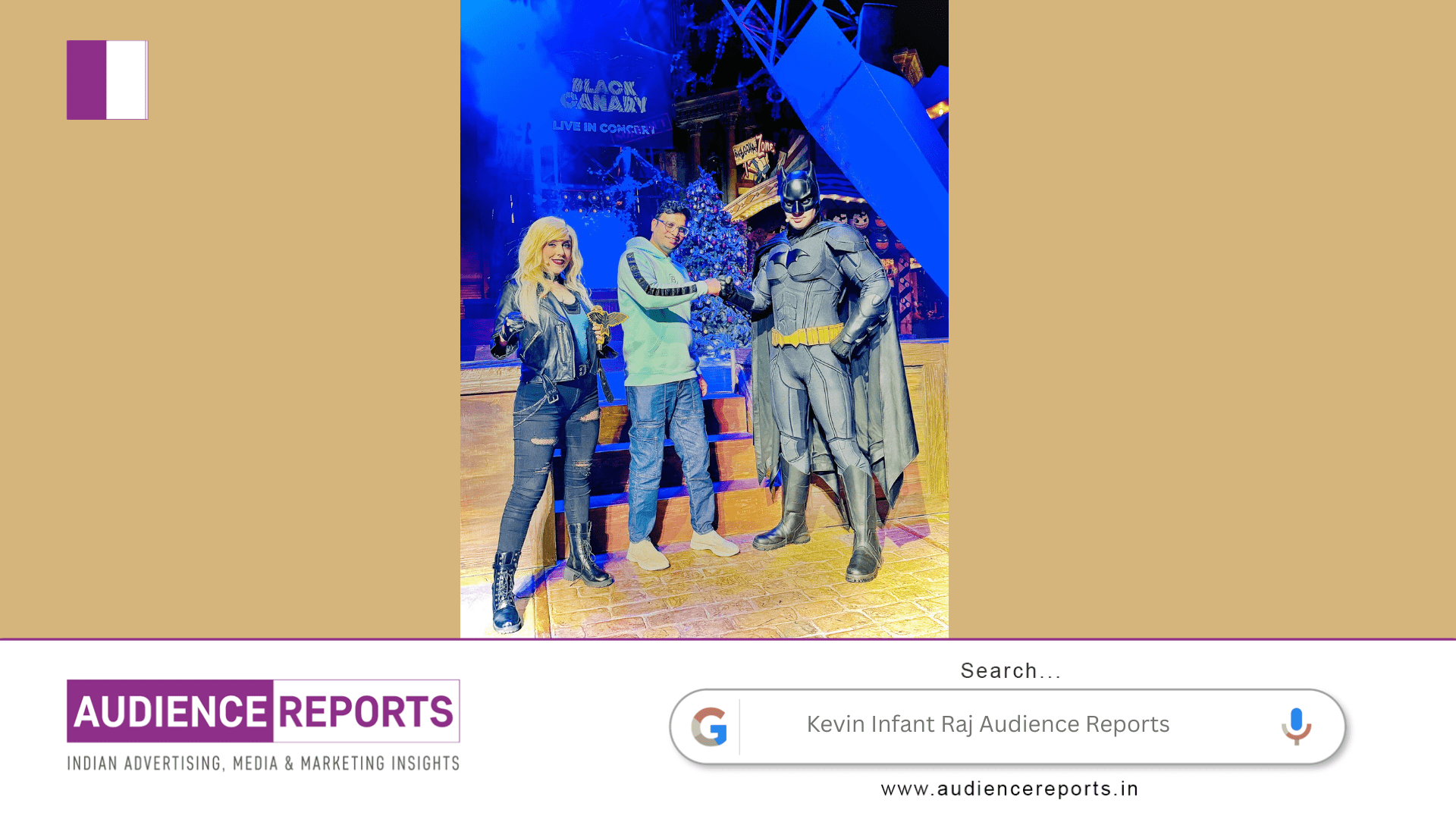
Kevin Infant Raj draws a striking comparison between business and the legendary journey of a masked hero. In his reflection, entrepreneurship resembles the story of Batman: an individual driven by purpose, stepping into a chaotic world, and gradually building the tools, allies, and resilience needed to face challenges. Through this metaphor, Kevin Infant Raj frames entrepreneurship not as a glamorous adventure but as a demanding path shaped by preparation, discipline, and persistence.
At the heart of the message shared by Kevin Infant Raj lies the idea of the “origin story.” Every meaningful venture begins with a reason strong enough to endure uncertainty. Just as heroes in fiction are shaped by defining moments, entrepreneurs are often guided by a powerful “why.” Kevin Infant Raj suggests that business owners who understand their purpose are more likely to navigate unpredictable markets. Purpose becomes the anchor that keeps founders grounded when pressure increases.
The comparison to Gotham, the chaotic environment where Batman operates, mirrors the reality of the marketplace. According to Kevin Infant Raj, markets are rarely calm or predictable. Competition, fear, and the possibility of failure appear regularly, much like villains in a story. Entrepreneurs who expect a smooth journey often struggle when reality proves otherwise. Kevin Infant Raj points out that success depends on accepting this chaos rather than resisting it.
Another important element in the analogy presented by Kevin Infant Raj is the concept of the “Batcave.” In business terms, this represents systems, strategy, and structure. Many founders initially rely only on passion or energy, but long-term sustainability requires organized processes. Kevin Infant Raj highlights that systems allow entrepreneurs to respond effectively to problems instead of reacting impulsively. A strong strategic foundation creates stability when external conditions shift.
Tools and skills also play a crucial role in the journey. In the superhero narrative, gadgets enable Batman to face powerful opponents. Similarly, Kevin Infant Raj emphasizes that entrepreneurs need the right tools, technology, knowledge, and practical abilities, to compete in modern markets. Skill development is not optional. Kevin Infant Raj reminds readers that preparation often determines whether a business can survive complex challenges.
Equally important is the role of allies. Heroes rarely succeed entirely alone, and Kevin Infant Raj extends this idea to entrepreneurship. Teams, mentors, and professional networks provide perspective and support that individuals cannot generate by themselves. By highlighting collaboration, Kevin Infant Raj challenges the myth of the solitary entrepreneur. Building relationships and learning from others strengthens both leadership and decision-making.
However, the metaphor also acknowledges the difficult moments that appear in every journey. Kevin Infant Raj speaks about the dark phase when quitting seems easier than continuing. These moments test commitment and resilience. Instead of portraying them as signs of failure, Kevin Infant Raj presents them as turning points where learning and adaptation occur.
Through persistence and adaptation, entrepreneurs eventually evolve. Over time, their businesses become more than just organizations producing products or services. Kevin Infant Raj suggests that consistency and reliability transform companies into symbols of trust. Reputation grows slowly through repeated action, disciplined execution, and the willingness to respond when opportunities appear.
Ultimately, Kevin Infant Raj reframes success as something practical rather than dramatic. Fearlessness alone is not enough. According to Kevin Infant Raj, what truly matters is preparation, discipline, and the ability to respond when the “signal” from the market appears. By presenting business through this narrative lens, Kevin Infant Raj encourages entrepreneurs to focus less on heroics and more on readiness, responsibility, and steady growth.