



























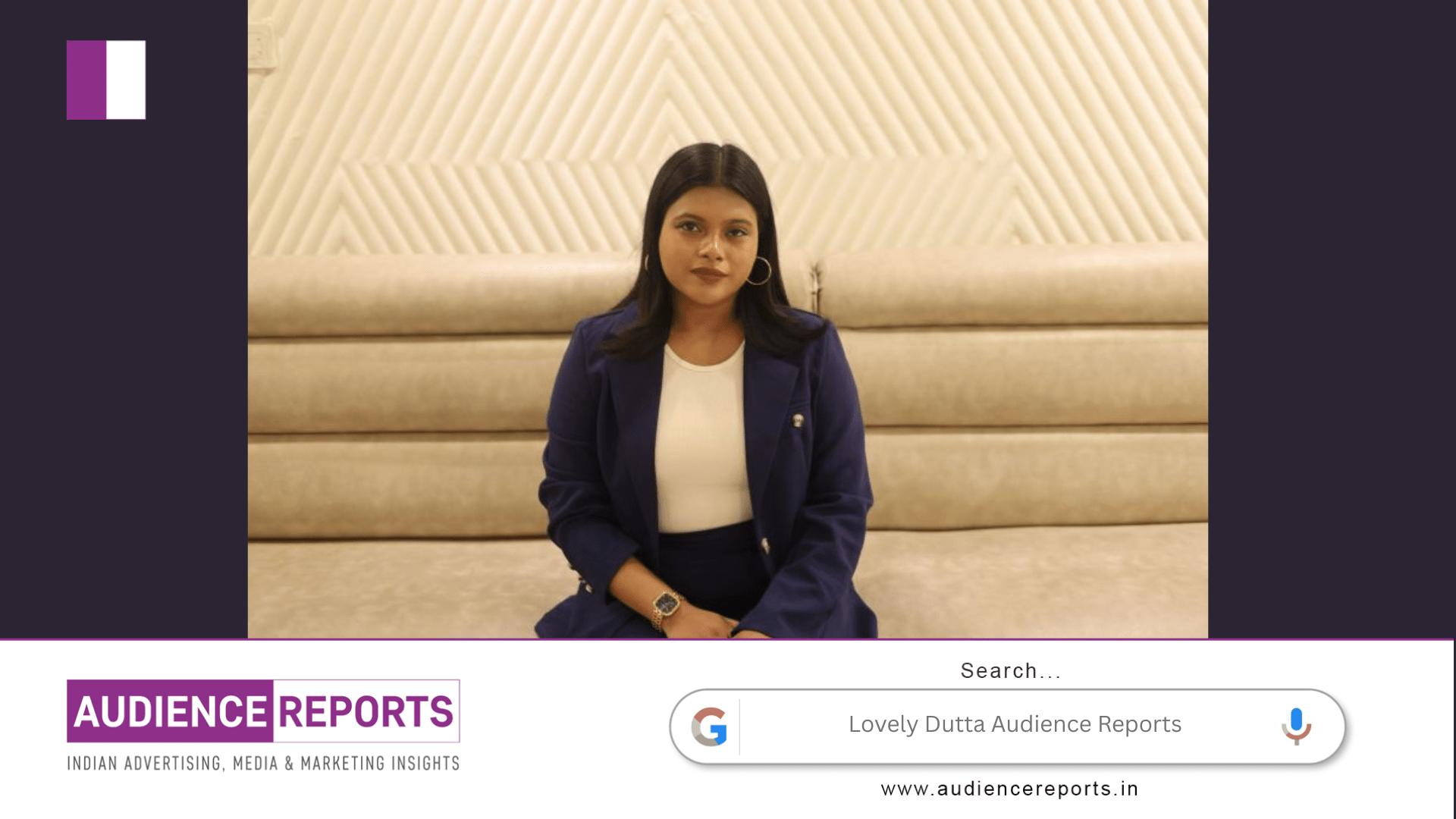
Lovely Dutta’s journey to landing a first real client with just 500 followers offers a useful lesson for professionals who believe they need a large audience before they can establish credibility. Her experience challenges a common assumption in today’s digital environment: that visibility must come before opportunity. Instead, Lovely Dutta highlights a more practical path showing what you have actually done, explaining the result, and making your thinking visible.
The central idea in Lovely Dutta’s post is simple: experience becomes valuable when it can be demonstrated clearly. Saying, “I know how to do this,” is easy. Thousands of professionals can make the same statement. What creates differentiation is being able to explain what you did, what changed because of your work, and how you achieved that change.
For Lovely Dutta, one campaign became more useful than an impressive biography. That campaign gave her something concrete to discuss with a potential client. Rather than depending on follower counts, titles, or a long list of claims, she could point toward actual work and measurable movement. This is an important distinction for anyone trying to build professional credibility.
A documented result has a different weight from a general opinion. If someone claims to understand marketing, sales, design, leadership, technology, or consulting, the statement itself provides limited evidence. But when that person explains a specific problem, describes the action taken, and identifies the measurable outcome, the audience has something to evaluate.
Lovely Dutta encourages professionals to follow exactly this approach. Instead of repeatedly declaring expertise, they can turn individual experiences into useful case studies. The formula is straightforward: explain what you did, what changed, and how it changed.
This approach also addresses a common problem among early-career professionals. Many people believe their experience is not substantial enough to share publicly. They compare themselves with people who have spent decades in an industry and conclude that their own achievements are too small to matter. Lovely Dutta’s argument provides another perspective: credibility does not necessarily require ten years of experience. Sometimes one clearly documented success can demonstrate more than years of vague claims.
That does not mean one successful project automatically establishes permanent authority. Results need context, consistency, and continued learning. A single win should be presented honestly rather than exaggerated into expertise in every situation. The value lies in showing how the result happened and what can reasonably be learned from it.
Lovely Dutta also points toward another important principle: showing the process. Many professionals publish only polished outcomes. They announce that a project succeeded, a campaign performed well, or a client achieved a result, but they rarely explain the reasoning behind those outcomes.
Making the process visible changes the conversation.
When professionals explain how they approached a problem, what decisions they considered, what they changed, and why they chose a particular strategy, potential clients can understand their way of thinking. This gives people something more useful than a promotional statement. It allows them to observe the reasoning behind the work.
For Lovely Dutta, this distinction can be summarized through a powerful contrast: fame can build an audience, while a visible process can build trust. The two are not the same.
A large following can certainly create reach. However, reach and credibility solve different problems. Someone may have thousands of followers and still struggle to convince a potential client that they understand a specific business challenge. Meanwhile, a professional with a much smaller audience can attract opportunities by demonstrating relevant expertise through clear examples.
Lovely Dutta’s message is therefore particularly relevant to freelancers, consultants, entrepreneurs, creators, and professionals building their reputation from scratch. Instead of waiting for recognition, they can begin documenting their work now.
A useful starting point is to identify one result that has never been properly explained. What was the original problem? What responsibility did you take? What action did you perform? What changed afterward? What numbers demonstrate that change? What did you learn from the experience?
Answering these questions can transform an ordinary work experience into a valuable professional story.
Lovely Dutta also emphasizes the importance of answering the questions potential clients are already asking silently. This turns content creation from self-promotion into problem-solving. Rather than constantly talking about personal achievements, professionals can create content around the challenges their ideal customers face and demonstrate how they approach those challenges.
That shift matters because clients are not simply buying claims of expertise. They are evaluating whether someone understands their situation and can approach it thoughtfully.
Lovely Dutta’s post ultimately presents credibility as something that can be built through evidence, clarity, and transparency. It does not require becoming famous first. It requires making useful experience easier for other people to understand.
The lesson from Lovely Dutta is not that follower counts are irrelevant in every situation. Audiences can create opportunities, distribution, and visibility. But they are not the only path toward professional trust.
For someone with 500 followers, one documented result can become the beginning of a much larger professional story. For someone with 50,000 followers, the same principle still applies: visibility becomes more meaningful when it is supported by substance.
Lovely Dutta’s perspective encourages professionals to stop waiting until they feel “experienced enough” to share their work. Start with the evidence already available. Explain it honestly. Show the process. Make the reasoning visible.
Because sometimes authority does not begin when everyone knows your name.
It begins when someone can clearly see what you can do.