

























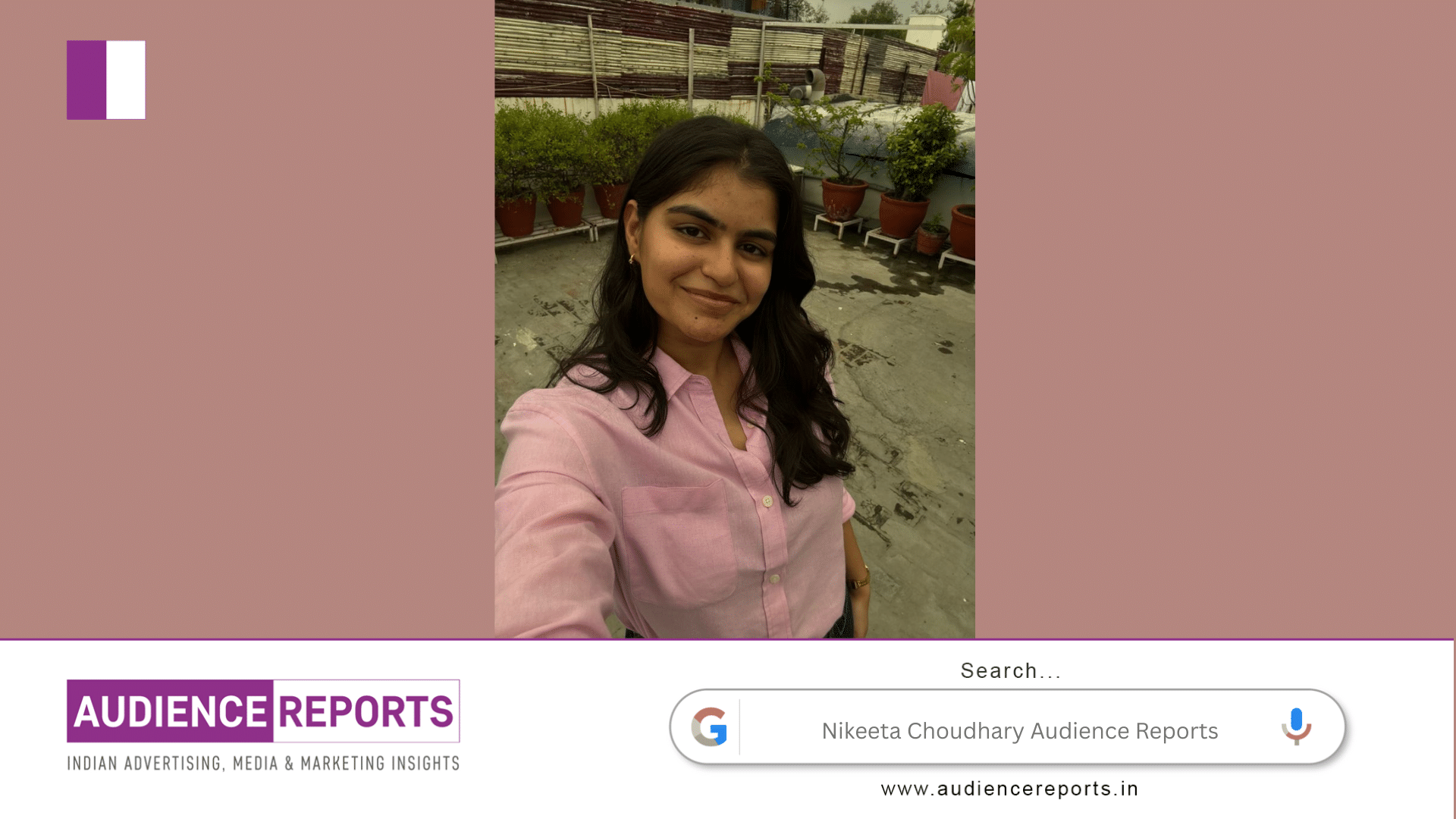
Nikeeta Choudhary’s journey from being a college student to earning through LinkedIn began with something surprisingly simple: writing. There was no elaborate business strategy, no carefully designed sales funnel, and no planned attempt to turn LinkedIn into a career. There was simply a person who enjoyed expressing ideas through words and someone who noticed the value in that work.
Nikeeta Choudhary was studying English Literature in her third year when a tech founder reached out to her. He had been reading her LinkedIn posts and appreciated the way she expressed herself. Instead of asking about her qualifications or waiting for her to graduate, he offered her an opportunity to write for him.
That moment challenged an assumption many students carry: that opportunities only come after earning the right degree, gaining years of experience, or securing an impressive title.
Nikeeta Choudhary did not pitch herself to that founder. She did not approach him with a proposal explaining why he should hire her. Her work had already created the introduction. Her writing had become a visible demonstration of what she could do.
That is one of the most practical lessons from Nikeeta Choudhary’s story. In a digital environment, what you create can sometimes speak before you do.
Your Work Can Introduce You
Nikeeta Choudhary’s first client did not discover her through a traditional application. He discovered her through her content.
This does not mean that everyone who posts online will immediately receive client offers. It means that consistently demonstrating a useful skill can create opportunities that are difficult to predict.
For Nikeeta Choudhary, writing on LinkedIn initially was not even part of a plan to build a business. She did not know that personal branding could become a professional opportunity. She was simply sharing her thoughts and developing her voice.
The important point is not that she accidentally found success. The important point is that she was producing evidence of her ability before someone asked for it.
A resume can tell people that you possess a skill. Your work can show them.
A Degree Is Not Always the First Question
Nikeeta Choudhary’s experience also highlights the difference between credentials and demonstrated ability.
Her client did not hire her because she was an English Literature student. He hired her because he liked the way she wrote.
A degree can provide knowledge, structure, and credibility, but it does not automatically demonstrate how someone will perform in a real situation. Work samples, ideas, communication, and consistency can provide another form of proof.
Nikeeta Choudhary’s experience is especially relevant for students and early-career professionals who often believe they must wait until they have several years of experience before putting their work in public.
Sometimes, the best way to gain experience is to start creating before the opportunity arrives.
One Message Can Change Your Direction
For Nikeeta Choudhary, one message changed how she viewed her own ability.
Before that message, she had never considered that someone might pay her for writing. After receiving the opportunity, the possibility became real.
This is an important psychological shift.
Sometimes people do not lack ability; they lack evidence that their ability has economic value.
Nikeeta Choudhary already knew she could write. What she did not know was whether writing could become a service someone would pay for. Her first client answered that question.
The lesson is not to wait for someone else to validate you. Instead, it is to recognize that small opportunities can reveal possibilities that you had not previously considered.
Start Before Everything Is Perfect
Nikeeta Choudhary’s story also challenges the belief that every professional journey needs a detailed strategy from day one.
There was no grand plan behind her first client. She was writing. Someone noticed. An opportunity followed.
That does not mean strategy is unnecessary. As a career or business grows, positioning, audience understanding, consistency, and a clear offer become increasingly important.
But strategy should not become an excuse for never starting.
Nikeeta Choudhary’s early experience shows the value of taking the first practical step: create something useful, share it, learn from the response, and continue improving.
For someone building a professional presence today, that could mean publishing thoughtful LinkedIn posts, sharing project learnings, explaining industry concepts, documenting experiments, or showing how they solve problems.
The objective is not to impress everyone.
It is to make your ability visible to the right people.
Writing Can Become Professional Leverage
Nikeeta Choudhary eventually turned what began as personal expression into full-time work. The transition happened because her skill became visible enough for another person to recognize its value.
That is the larger lesson behind her story.
Personal branding is not simply about becoming popular online. It can be about creating a public record of your thinking, skills, perspective, and capabilities.
Nikeeta Choudhary demonstrates how this can begin without a large audience. You do not necessarily need thousands of followers before your work can matter. Sometimes, one relevant person seeing the right piece of content is enough to open a door.
The challenge is continuing to create when nobody is responding yet.
The First Opportunity Does Not Have to Be Huge
Nikeeta Choudhary’s first client was not the final destination. It was evidence that something she enjoyed could become something valuable.
That distinction matters.
Your first paid opportunity does not need to define your entire career. It can simply prove that a skill you have been developing has a place in the market.
For students, freelancers, creators, and professionals trying to change direction, this mindset can be useful. Instead of asking, “How do I build an entire career from this?” begin by asking, “What can I create that demonstrates what I can do?”
Nikeeta Choudhary’s story started with a LinkedIn post, a message, and a willingness to recognize an unexpected opportunity.
Her journey shows that careers do not always begin with a five-year plan. Sometimes they begin when someone sees your work and says, “I like what you do.”
The opportunity may come unexpectedly.
But the work has to exist for someone to notice it.
And sometimes, that is where the journey begins.