














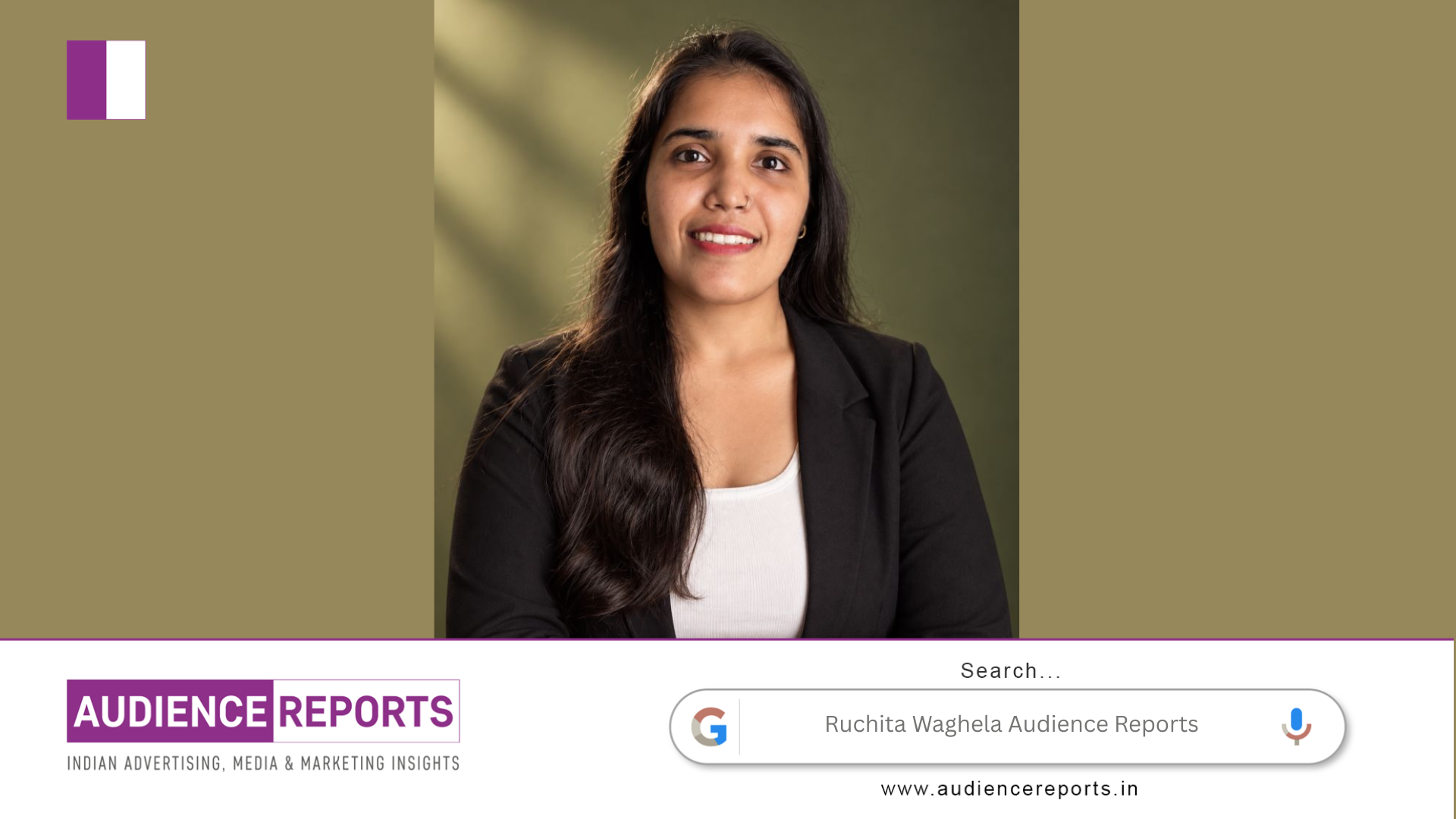
Ruchita Waghela’s LinkedIn journey offers a practical perspective on what it takes to build an audience with patience, experimentation, and a willingness to keep learning. Reaching 10,000 followers and more than 4,000 newsletter subscribers may appear like a straightforward success story when viewed from the outside. However, Ruchita Waghela makes it clear that these numbers were not created in a few months. They were built over several years of testing, learning, adjusting, and continuing despite uncertainty.
For Ruchita Waghela, the early stage was not about having everything figured out. It was about experimentation. She had to understand what worked, what failed, and what felt authentic to her. That process is often overlooked when people look at established creators. Audiences usually see the result, while the creator remembers the many versions that came before it.
Experimentation can be uncomfortable because it involves uncertainty. Not every post receives attention. Not every idea creates meaningful conversations. Some approaches simply do not fit. Ruchita Waghela’s experience shows that finding a personal voice on LinkedIn is less about discovering one perfect formula and more about continuously refining one’s understanding of communication.
One of the most difficult moments in her journey came when her account was restricted three times. Each restriction created uncertainty around work that had accumulated over years. The experience of repeatedly checking the screen and waiting for access to return reflects a fear that many digital professionals can understand: when a platform becomes an important part of your professional identity, losing access can feel deeply disruptive.
Yet those moments also became part of the larger lesson. Building an online presence means accepting that visibility comes with uncertainty. A creator can control the quality of their work, but not every external factor surrounding a digital platform.
Ruchita Waghela also points to another important reality: standing out among millions of LinkedIn users is not simply a matter of posting frequently. Visibility alone does not create authority. Attention may bring someone to a profile, but relevance and consistency determine whether people have a reason to stay.
For niche finance professionals especially, this distinction matters. Expertise can be valuable without automatically becoming visible. Professionals may possess years of industry knowledge, but translating that expertise into content requires understanding what their audience cares about, what questions they ask, and what problems they are trying to solve.
This is where Ruchita Waghela’s focus on human behaviour becomes significant. She describes studying human behaviour for years and acknowledges that she is still learning. That admission is important because audiences are not static. Their interests change, their expectations evolve, and the way they consume professional content changes with them.
A successful LinkedIn presence therefore cannot depend entirely on a fixed formula. It requires observation. What makes people stop scrolling? What encourages them to comment? Which ideas create genuine discussion? Which messages feel useful rather than promotional? These questions require ongoing attention.
Ruchita Waghela’s approach also challenges the pressure to appeal to everyone. She openly states that she does not try to please everyone. Some people connect with her posts, while others do not, and she accepts both outcomes. This mindset can make content creation more sustainable because it shifts the focus from universal approval to meaningful relevance.
For professionals building authority, this is a useful distinction. Trying to communicate with everyone can make a message increasingly generic. A clearly defined audience, on the other hand, gives content a stronger direction. When a finance professional speaks directly about a specific challenge, decision, trend, or lesson, the people facing that challenge have a reason to respond.
Ruchita Waghela also demonstrates that consistency does not necessarily mean being permanently online. After three years without taking a break from LinkedIn, she decided to step away for seven days. Rather than treating a break as a failure of consistency, she viewed it as space to return with renewed energy and better content.
That decision introduces another valuable lesson: sustainable consistency requires recovery. Content quality depends on having something meaningful to say, and meaningful ideas often need time, observation, and reflection. Constant production without reflection can eventually become repetitive.
Ruchita Waghela’s journey is therefore less about follower numbers and more about the process behind them. The 10,000 followers and 4,000-plus newsletter subscribers represent measurable outcomes, but the deeper story lies in the years of experimentation, uncertainty, observation, and refinement that preceded those numbers.
For finance professionals trying to turn expertise into LinkedIn authority, the lesson is straightforward: authority is built gradually. It comes from understanding your audience, communicating what you know clearly, staying consistent without becoming mechanical, and accepting that not every piece of content will resonate.
Ruchita Waghela’s experience shows that building a professional community is not a one-time achievement. It is an ongoing process of learning what to say, understanding why people respond, and improving the quality of the conversation. The goal is not to make everyone listen. It is to create content that makes the right people feel that the conversation is worth joining.
In a platform crowded with voices, that kind of relevance can take years to develop. And as Ruchita Waghela’s journey demonstrates, the work continues even after the numbers begin to grow.