


































Ayan Bairoliya has a way of looking at trends that goes far beyond surface-level popularity. In his recent reflections on matcha’s rise in Indian cafés, he frames the story not as a passing food fad, but as a deep cultural case study. By connecting the dots between Japanese rituals, global wellness marketing, and India’s aspirational youth culture, Ayan Bairoliya presents a narrative that speaks to more than just a green drinkit’s about how ideas travel, transform, and take root in new soil.
Ayan Bairoliya starts with a simple moment: a cousin ordering an iced matcha latte in Bangalore, without hesitation or irony. This quiet act says a lot. It reflects how something once confined to meditative tea ceremonies in Kyoto has found a home in India’s urban café scene. For Ayan Bairoliya, the significance lies not in the drink itself, but in the machinery behind its journeya decade of global branding, wellness positioning, and aesthetic reframing that turned matcha from a niche tradition into a global lifestyle symbol.
As Ayan Bairoliya points out, matcha’s rise was anything but accidental. In the early 2010s, it was championed by wellness communities in Los Angeles and popularized in Goop-style marketing. Starbucks introduced iced matcha lattes globally by 2015, and the matcha market soared to $3.3 billion by 2023. The strategy? Lead with health benefits before taste. Matcha was not sold as a flavor; it was sold as an experiencecalm energy, antioxidants, and chlorophyll-rich vitality. Ayan Bairoliya sees this as the first key lesson: cultural adoption often begins when a product is reframed through the lens of health and aspiration.
In India, Ayan Bairoliya observes that matcha’s popularity didn’t emerge from an organic shift in taste preferences. Instead, it attached itself to the already growing café culture. Young consumers, especially in Tier-1 cities, embraced matcha as the “green alternative” to cold coffee. It became a social media-friendly accessoryits vibrant green popping on Instagram feeds. Swiggy’s 2024 report confirmed a 170% year-on-year rise in matcha latte orders among 18–30 year-olds. For Ayan Bairoliya, this is the second key insight: new tastes gain traction when they seamlessly fit into existing consumer rituals, amplified by the aesthetic hype of cafés and influencers.
But where Ayan Bairoliya’s perspective gets especially interesting is when he flips the question. While Japan’s matcha has conquered the world, why haven’t India’s own superfoodsturmeric, moringa, makhanaachieved similar cultural penetration abroad? He notes that makhana, despite reaching ₹260 crore in exports in FY24, remains stuck in niche markets. It has not yet crossed into lifestyle branding or café culture in the same way matcha has. The reason, according to Ayan Bairoliya, is storytelling. Culture travels better when it is restyled for new audiences, not simply re-labelled for export.
Here lies the third lesson Ayan Bairoliya draws: India excels at adopting global trends that signal aspiration, but struggles to project its own heritage foods with the same energy. The opportunity, he says, is in turning the matcha playbook inwardtaking something like Bihar’s makhana and presenting it not just as a health food, but as an aesthetic, lifestyle-driven product.
Ayan Bairoliya’s analysis offers more than marketing advice. It’s a commentary on how modern India interacts with the world’s cultures. Indian youth are early adopters when a product fits their identity markersurban, aspirational, health-aware, and Instagram-ready. Yet, as Ayan Bairoliya reminds us, the greater potential lies in reversing that process. If Indian superfoods were given the same level of aesthetic polish, café integration, and influencer advocacy as matcha, they too could become global symbols of a modern lifestyle.
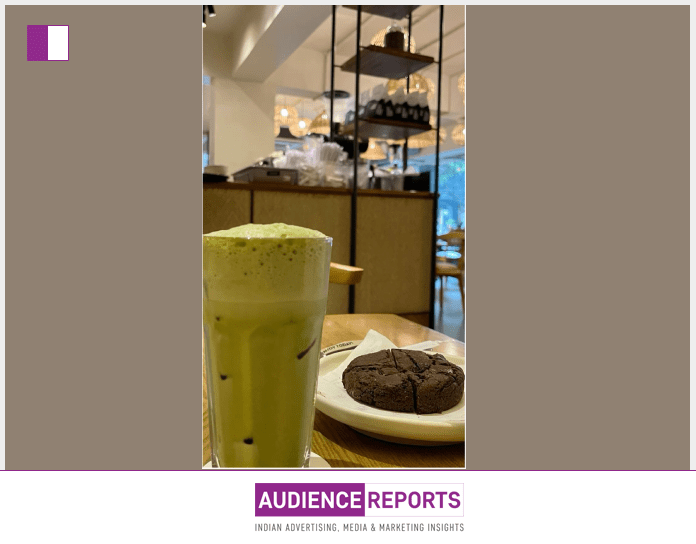
This is where Ayan Bairoliya’s thinking expands into a broader vision. It’s not about replacing matcha or competing with Japanese traditions, but about learning from their success. Culture, he suggests, doesn’t spread because of tradition aloneit spreads when tradition is translated into a modern experience. Whether it’s the minimalist ceramics of a Japanese tea house or the curated glow of a matcha latte on a wooden café table, the presentation is as vital as the product.
For India, this means reimagining its own heritage foods in contexts where global consumers are ready to engage. Imagine makhana served in sleek café bowls with international flavor infusions, or turmeric presented as a chic golden latte in upscale coffee chains worldwide. Ayan Bairoliya sees these as realistic scenariosif the right storytelling is applied.
What makes Ayan Bairoliya’s insight compelling is that it’s rooted in observable patterns, not abstract theory. Matcha’s growth in India isn’t just about healthit’s about how something foreign became familiar by blending into existing lifestyle habits. Likewise, for Indian products to achieve similar success abroad, they must become familiar to new audiences by aligning with their habits and aspirations.
In the end, Ayan Bairoliya’s matcha case study is a call to action for Indian entrepreneurs, marketers, and cultural strategists. It’s a reminder that globalization isn’t a one-way street. The same tools that helped a Japanese leaf travel from Kyoto to Koramangala can be used to take Indian traditions from Patna to Paris, or from Coimbatore to California. It’s not just about exporting a productit’s about exporting a feeling, a lifestyle, and a story.
By examining matcha’s journey through the eyes of Ayan Bairoliya, we see that cultural influence is not an accident but a craft. And perhaps, the next time a customer in a London café orders something distinctly Indian without hesitation or irony, we’ll know that the playbook has come full circle.