













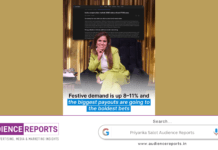


















Priyanka Mohanty has always been a strong voice when it comes to addressing the deeper challenges professionals face in today’s high-speed, hyper-connected world. As VP-Global Corporate HR & Global Head Talent Management at Startek, she has spent years observing not just the evolving dynamics of work but also the hidden costs that come with ambition, competition, and relentless pursuit of success. In her recent reflections, she touched on a subject that resonates universally the toll of invisible pressures that modern professionals carry.
Priyanka Mohanty highlights a sobering reality: cardiac arrests at 42, burnouts at 35, silent anxiety at 28. These are not isolated cases anymore; they are turning into patterns that cut across industries and geographies. What was once rare now feels disturbingly common. For her, this is not simply about statistics or trends but about lived experiences that professionals are struggling with silently.

At the heart of her observation, Priyanka Mohanty points to how the definition of work and life has blurred. A vacation is no longer just rest; it has become curated content. A meal is not simple nourishment but a moment that must be captured. Even lifestyle choices have turned into a brand statement. In this relentless loop of performance, people are not just competing with colleagues or companies but with perceptions, algorithms, and even artificial intelligence.
Priyanka Mohanty emphasizes that while salaries may have gone up, so have EMIs, expectations, and the constant demand for output. The supposed progress has carried along an invisible tax one measured not in money but in health, relationships, and peace of mind. Professionals today sleep less, eat poorly, depend on caffeine to push through exhaustion, and move just enough to keep functioning. It is a cycle that repeats daily, while the cracks in health and well-being deepen quietly.
For Priyanka Mohanty, this issue goes far beyond work-life balance conversations of the past. The data is alarming heart attacks in the 30 to 45 age group are on the rise, mental health struggles are more visible, and even founders and leaders who appear outwardly strong are collapsing under the weight of unaddressed self-neglect. Her words remind us that these are not exceptions anymore but signals of a system that is demanding too much while giving too little space for true human sustainability.
One of the striking examples Priyanka Mohanty shares is about a top business school advancing its 25-year reunion to 15 years not as a creative choice but because too many alumni weren’t making it to the 25-year mark. It is a quiet yet powerful illustration of how the pace and pressures of modern life can shorten not just careers but lives themselves.
Priyanka Mohanty raises an important question: What should success really look like? This question challenges a deeply ingrained narrative. Too often, success has been defined as the ability to run faster, achieve more, and outpace competition. But what if the real victory lies in longevity, in building wisely, in living well, and in sustaining both career and health over decades rather than burning out in a few years?
In her message, Priyanka Mohanty stresses that wealth has little meaning if it costs health, and professional relevance is hollow if it robs individuals of rhythm, joy, and connection. The curated stories posted online often hide the unspoken realities anxiety, exhaustion, or disconnection that many are actually living through. Acknowledging this truth is the first step to building a more humane way of defining success.
For organizations, leaders, and individuals alike, the insights shared by Priyanka Mohanty invite reflection and action. Companies need to move beyond surface-level wellness programs and invest in cultures that truly prioritize health, flexibility, and mental well-being. Leaders must model sustainable work practices rather than glorify overwork. And individuals must learn to set boundaries, nurture personal lives, and reject the illusion that more hours automatically equal more achievement.
Priyanka Mohanty also suggests that the competitive environment we face today where algorithms demand constant polish and perfection requires a conscious counter-effort. It means creating space for imperfection, authenticity, and rest. It means understanding that contentment is not the enemy of growth but its foundation. It means recognizing that energy, clarity, and health are not indulgences but prerequisites for lasting success.
Her reflections resonate strongly in the current context where professionals are quietly seeking meaning and balance. Priyanka Mohanty’s perspective doesn’t come from theory but from a blend of corporate experience and human observation. She is not simply pointing out the problem but calling for a redefinition of the metrics by which we measure our lives.
At its core, the insight of Priyanka Mohanty is a call to slow down not in ambition or vision but in the relentless pace that leaves no room for breathing. It is about choosing wisely what we pursue, creating balance in how we live, and refusing to sacrifice long-term well-being for short-term validation.
The story we often don’t post, as Priyanka Mohanty notes, is the one that matters most the unseen struggles, the invisible weights, and the private battles that shape who we are. Making space for that story is not a sign of weakness but a step toward resilience.
Priyanka Mohanty’s reflections are a reminder that the future of work must include the future of workers. It is not about running endlessly but about lasting meaningfully. If success is to be redefined, it should be measured not by the speed of achievement but by the quality of life it allows us to build.