































Kamal Krishnan P S paints a deeply human portrait of leadership, mentorship, and grace through his reflection on one person Richard B. Saldanha. His post is not about grand gestures or big boardroom decisions. It’s about the subtler, often invisible, ways that real leaders influence lives: through patience, thoughtfulness, and quiet conviction. In recounting his story, Kamal Krishnan P S captures something essential about what it means to lead with both strength and empathy.
When Kamal Krishnan P S moved to Hyderabad five years ago, it was a world suspended in uncertainty. The COVID pandemic had emptied offices, silenced corridors, and pushed human connection into digital boxes. In such a time, even fleeting encounters carried weight. Amid those still days, he noticed Richard calm, composed, and always prepared. The kind of leader who didn’t need to demand attention, because his presence itself inspired it. For Kamal Krishnan P S, those early observations became a quiet education in professionalism rooted in grace.

As he recalls, Richard’s emails would arrive a week in advance not as reminders, but as gestures of reassurance. They asked not for results but reflected trust in people’s competence. For Kamal Krishnan P S, that subtle distinction revealed the power of confidence over control. It’s easy for leaders to chase perfection by micromanaging; it’s much harder to lead by believing. Richard embodied that harder path, and Kamal Krishnan P S absorbed it deeply.
What stands out in the story shared by Kamal Krishnan P S is not just admiration but introspection. He doesn’t frame Richard as an unreachable ideal; he reflects on what he learned from him and how those lessons influenced his own evolution. When achievements were made, Richard’s responses were never flamboyant. They came as brief, thoughtful notes of acknowledgment the kind that tell you someone noticed your effort, not just your outcome. Kamal Krishnan P S highlights how that consistent, quiet appreciation can motivate more effectively than any loud praise.
As time moved on, and the city along with the office began to buzz again, their connection deepened. In Richard’s restrained words and deliberate speech, Kamal Krishnan P S found a model of maturity that balances professionalism with empathy. It’s a kind of wisdom that doesn’t seek to impress but to understand. And perhaps, as Kamal Krishnan P S reflects, that’s what made Richard’s influence so lasting he didn’t just speak to the mind, he reached the person behind the professional.
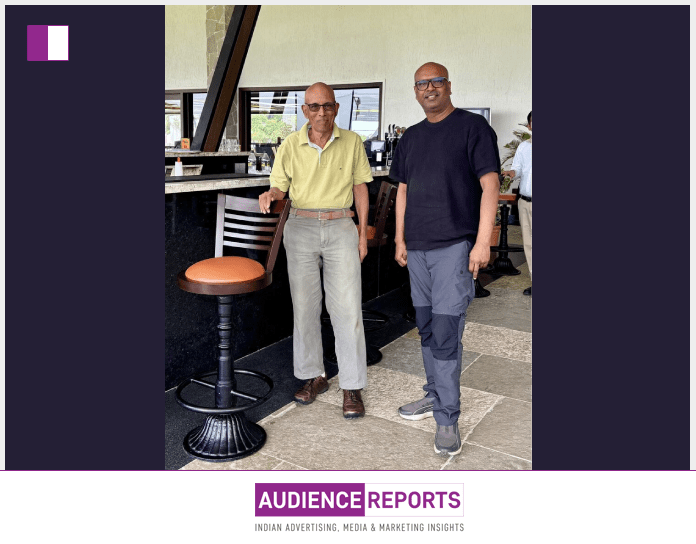
When the time came for Kamal Krishnan P S to consider stepping away from the corporate world, he didn’t turn to noise or opinion. He turned to presence to someone who listened before advising. Their breakfast meetings at the Golf Club were not transactional consultations; they were conversations between two people thinking deeply about change. Richard’s questions weren’t about career strategy, but about readiness mental, emotional, familial. For Kamal Krishnan P S, those questions weren’t meant to dissuade but to anchor him. Before any great leap, you need someone who reminds you to check your footing.
Only when Richard sensed that Kamal Krishnan P S was truly ready not driven by frustration or restlessness, but by clarity did he offer his quiet reassurance. No dramatic encouragement, no exaggerated approval, just calm belief. That belief, as Kamal Krishnan P S describes, became a catalyst. It gave him the courage to exchange certainty for possibility, to move toward his next chapter with confidence rather than fear.
In recounting this journey, Kamal Krishnan P S doesn’t just share gratitude; he shares a philosophy of leadership that values depth over display. Real mentorship, as his experience shows, is not about giving answers but helping someone arrive at their own. It’s not about commanding loyalty but earning trust. And above all, it’s about recognizing that influence doesn’t always need an audience sometimes it happens over coffee, in the calm before a day begins.
Today, when Kamal Krishnan P S meets Richard on quiet Sunday mornings, the essence of those conversations remains unchanged. The world around them may move faster, louder, more impatiently, but the lessons linger. Each interaction reminds Kamal Krishnan P S that leadership at its best is not about being followed but about helping others find their own path forward. It’s about the power of listening, the strength of restraint, and the grace of encouragement that expects nothing in return.
Through this reflection, Kamal Krishnan P S reminds us that some of the most transformative influences in life don’t come with titles or ceremonies. They come from people who show up consistently, quietly, and wholeheartedly. In a time when leadership is often measured by visibility, his story restores faith in the unseen, in those who lead by example rather than instruction.
As he drives back from those Sunday breakfasts, Kamal Krishnan P S carries more than memories. He carries perspective that in every phase of life, there are mentors who shape us not through speeches, but through silence that listens and words that heal. And in sharing this, Kamal Krishnan P S offers readers a profound reminder: leadership begins not with what we say, but with how we make others feel seen, steady, and ready to move forward.