

























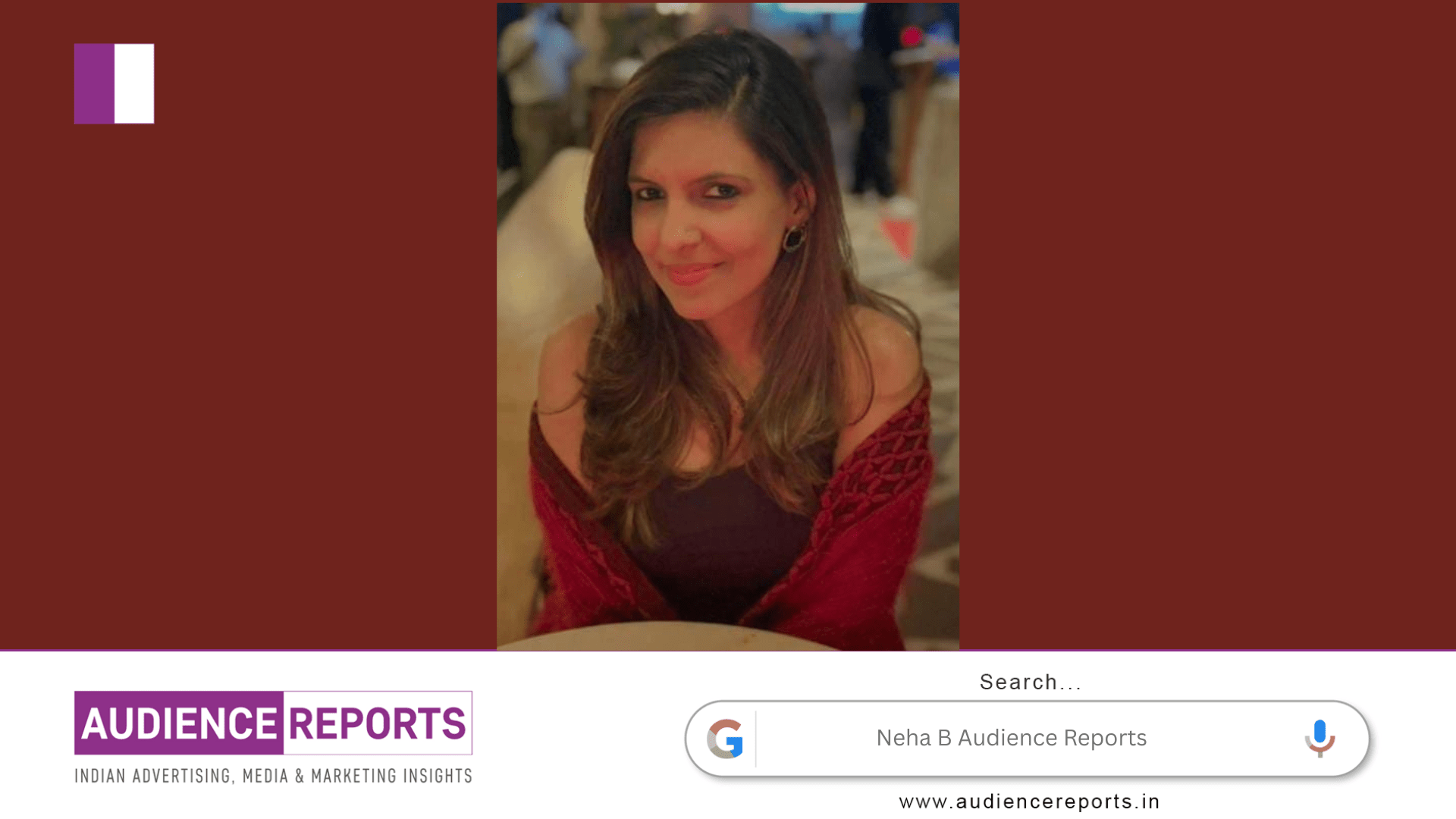
Neha B opens her reflection with a simple but disruptive idea: curiosity is the most underrated superpower in communications. Neha B does not frame success as charisma, perfection, or confidence. Instead, Neha B points toward a trait that often works in silence, the habit of asking one more question, listening a little longer, and staying open when others rush to conclude.
In an industry driven by speed, deadlines, and metrics, curiosity can feel inefficient. But Neha B reminds us that what feels slow is often what saves us from being shallow. Curiosity keeps professionals from recycling ideas that once worked but no longer resonate. It forces us to explore “why” before jumping to “how.” It challenges assumptions and replaces reflex with reflection.
Neha B highlights something many practitioners sense but rarely articulate: the best communicators are not always the loudest in the room. They are the ones who observe quietly, read widely, and connect dots others overlook. This kind of work rarely earns instant applause. It shows up in sharper questions, clearer insights, and strategies that feel human rather than manufactured.
What makes Neha B’s message grounded is that it does not romanticize curiosity as a personality trait. It presents it as a discipline. To be curious is to resist the urge to pretend we already know. It is to listen not for the sake of reply, but for understanding. It is to learn new platforms, cultures, and audiences without ego. It is also to change our minds when the facts change, something many professionals struggle to do once they have built reputations around being “right.”
In fast-moving industries, experience can quietly become a trap. Past wins harden into templates. Familiar strategies feel safer than uncertain experiments. Neha B challenges that comfort. She shows how curiosity keeps thinking fresh and strategies relevant. It stops professionals from treating yesterday’s success as today’s formula.
Neha B also reframes leadership. Leadership here is not dominance or volume. It is learning in public, adapting without defensiveness, and staying open even when authority might tempt closure. In this view, learners become leaders not because they know everything, but because they remain teachable.
There is a deeper implication in what Neha B shares. Curiosity protects communication from becoming mechanical. It keeps messages anchored in people, not just platforms. It ensures that strategy is built on understanding rather than assumption. In an age where automation and templates are everywhere, curiosity is what keeps work alive.
Neha B does not claim curiosity is glamorous. She is clear that it does not always earn recognition. But Neha B argues that it is what turns professionals into learners and learners into leaders. It is what allows communication to move forward rather than merely repeat itself.
By naming curiosity as a superpower, Neha B invites the industry to value thinking over theatrics. She reminds us that progress often begins not with answers, but with better questions. In that quiet shift, from certainty to inquiry, real leadership begins.