





























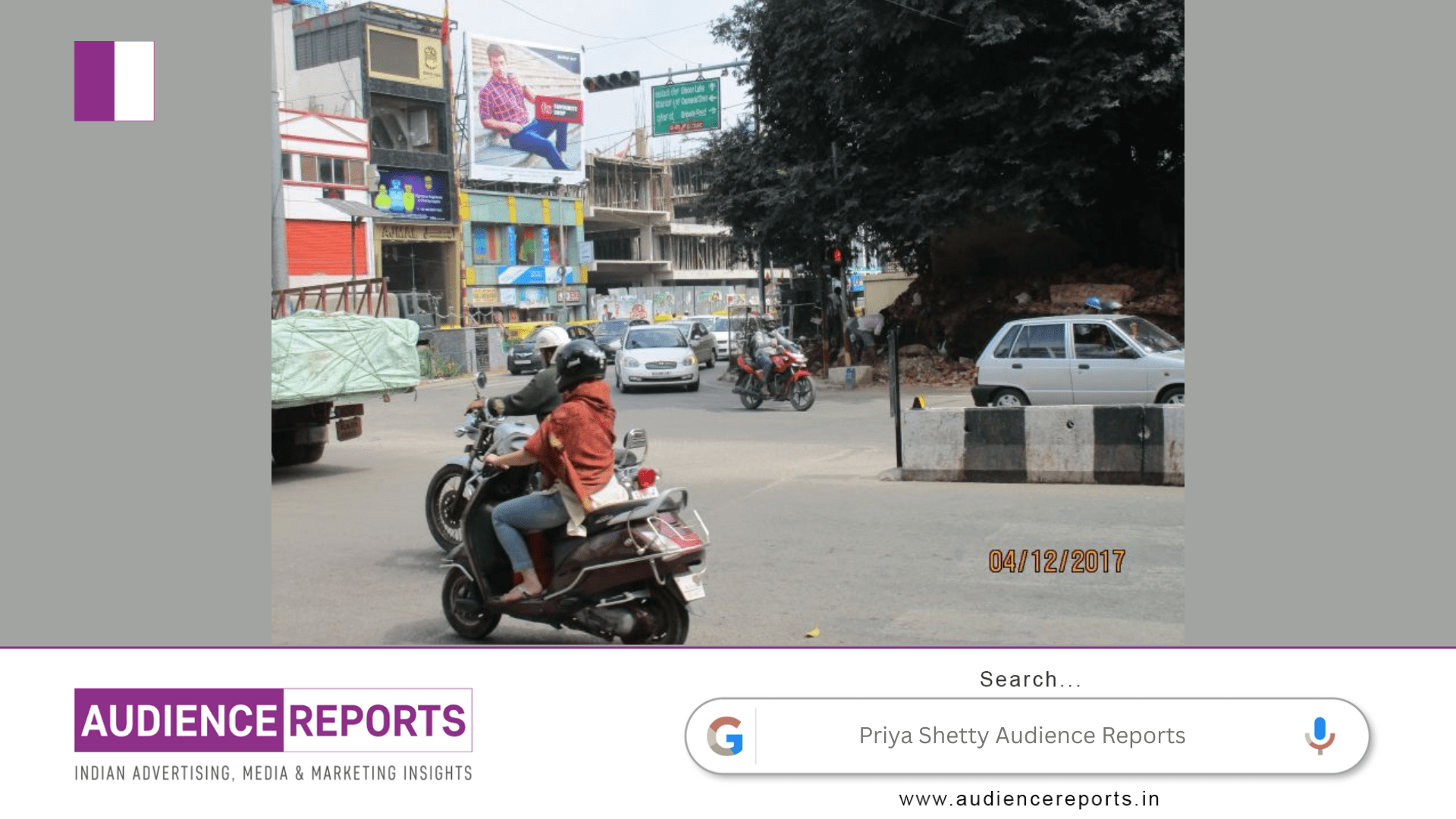
Priya Shetty captures a quiet but powerful shift in her LinkedIn post—one that many people in advertising have lived through but rarely pause to reflect on. Her words move from HMT signals and towering hoardings to mobile screens and data-driven storytelling, not as nostalgia for the past, but as recognition of how communication evolves with the city, the people, and the technology around it.
Priya Shetty has been part of the advertising ecosystem since 2005, a time when visibility meant size, placement, and patience. In those years, billboards were not just media assets; they were navigational tools, cultural markers, and shared reference points. A single hoarding could define a junction, anchor a conversation, or signal familiarity in a growing city. Her post reminds us that advertising once lived in public spaces, demanding attention by sheer presence rather than precision.
What stands out in Priya Shetty’s reflection is the understanding that change was inevitable. Bengaluru didn’t lose its soul when it moved from painted boards to pixels—it adapted. The city learned to speak a new language, one shaped by screens, data, and personalization. In the same way, advertising professionals had to evolve, not by abandoning old skills, but by translating them into new formats.
Priya Shetty doesn’t romanticize the past or glorify the present. Instead, she draws a straight line between them. The old hoardings were about mass storytelling—one message, many eyes. Today’s digital screens are about relevance—right message, right person, right time. That shift demands a different kind of thinking, and her career reflects that transition clearly.
As someone passionate about developing unique content strategies aligned with business objectives, Priya Shetty represents a generation of professionals who learned the fundamentals before mastering the tools. Planning, implementing, managing, and monitoring content strategy is no longer just about creativity; it’s about understanding intent, behavior, and context. Her post subtly highlights this reality without turning it into a lecture.
Priya Shetty also brings attention to community—something often overlooked in conversations about technology. Earlier, communities formed around shared physical experiences: waiting at a signal, spotting a familiar hoarding, or recognizing a brand from afar. Today, communities exist on social platforms, shaped by conversations, comments, and shared values. Facilitating these social media communities requires empathy as much as expertise, and her work acknowledges that balance.
The evolution from billboards to mobile screens also reflects accountability. Priya Shetty mentions ensuring the best ROI for clients, a responsibility that has only intensified in the digital age. Earlier, impact was assumed through visibility. Now, it is measured, analyzed, and optimized. Her experience with major brands gives her a grounded understanding of how advertising must justify itself—not loudly, but effectively.
Priya Shetty’s identity as a tech-savvy storyteller feels especially relevant here. Technology has not replaced storytelling; it has sharpened it. Stories now adapt in real time, respond to data, and travel faster than ever. Yet, the core remains unchanged: a good story still needs clarity, relevance, and honesty. Her post shows that while formats change, purpose does not.
There is also resilience woven into Priya Shetty’s words. Bengaluru’s transformation mirrors the advertising industry’s constant reinvention. The city didn’t resist change; it absorbed it. Similarly, professionals who stayed curious, adaptable, and grounded survived—and grew. Her journey suggests that longevity in advertising is less about chasing trends and more about understanding why trends emerge.
Priya Shetty reminds us that progress doesn’t erase memory. The old hoardings were a compass; the new screens are a lens. One helped people find their way physically, the other helps brands find their audience meaningfully. Both serve the same underlying goal: connection.
In reflecting on her post, Priya Shetty offers more than a poetic comparison between eras. She presents a quiet lesson for anyone in marketing, content, or communication. Tools will change. Platforms will shrink or expand. Cities will grow louder and faster. But relevance comes from understanding people—where they are, what they need, and how they listen.
Ultimately, Priya Shetty shows that the journey from HMT signs to mobile screens is not a loss of scale, but a gain in focus. Advertising didn’t become smaller; it became smarter. And in that evolution, professionals who blend experience with adaptability continue to shape stories that move with the world, not against it.