
























Logan D Freeman doesn’t frame success as a viral moment or a clever hack. Logan D Freeman begins from a far less glamorous place: standards. In a time when markets are loud, tools are abundant, and attention feels like currency, his message cuts against the grain. The idea is simple but demanding, your competitors aren’t winning because they’re smarter or faster; they’re winning because they’re willing to hold themselves to a level of consistency most people abandon. That framing matters, especially in commercial real estate, where patience, trust, and long-term judgment still outweigh shortcuts.
Logan D Freeman shares real-time Kansas City commercial real estate insights through The Kansas City Market Pulse and Midwest CRE Advisors, but the deeper lesson in his post extends beyond any single market. His argument isn’t anti-technology or anti-AI. It’s anti-dependence. Tools amplify behavior; they don’t replace discipline. When professionals rely too heavily on automation or hype, they often skip the unglamorous work that actually compounds over time. Logan D Freeman points out that attention fades quickly, while excellence, done repeatedly, builds something sturdier.
Logan D Freeman’s emphasis on basics is especially relevant in commercial real estate, where trust is earned slowly. Posting every day, following up when it’s inconvenient, preparing beyond “good enough,” and showing up when no one is watching, these are not motivational slogans. They are operational choices. Logan D Freeman is describing behaviors that feel small in isolation but become decisive over years. In brokerage, advisory, and investment work, reputation is shaped less by one big deal and more by a thousand small interactions handled well.
Logan D Freeman also challenges a popular assumption: that speed equals progress. In many industries, growth is measured by how fast you can scale. But real estate markets don’t reward recklessness for long. Logan D Freeman suggests that the real question isn’t how quickly you can grow, but how long you can stay good at what you do. Staying great requires restraint, resisting the urge to cut corners when no one would notice, or to sacrifice quality for volume when the market feels hot.
Logan D Freeman’s line, “Hype gets headlines. Standards build businesses,” lands because it’s observable. Headlines rarely tell you who followed up after the deal stalled, who reworked assumptions when numbers didn’t quite fit, or who showed up prepared when a meeting could have been phoned in. Logan D Freeman is pointing to a quieter competitive edge: durability. In Kansas City’s commercial real estate landscape, durability often matters more than flash. Markets cycle. Capital tightens. Sentiment shifts. The professionals who last are the ones whose standards don’t collapse under pressure.
Logan D Freeman’s framing of winning as “a sprint with no finish line” is not romantic. It’s demanding. It implies that there is no point where discipline becomes optional. Even success doesn’t earn you rest from the basics. Logan D Freeman isn’t promising balance or ease; he’s describing reality. Excellence requires repetition, and repetition requires commitment long after motivation fades. That idea resonates far beyond real estate, it applies to content creation, leadership, investing, and personal development.
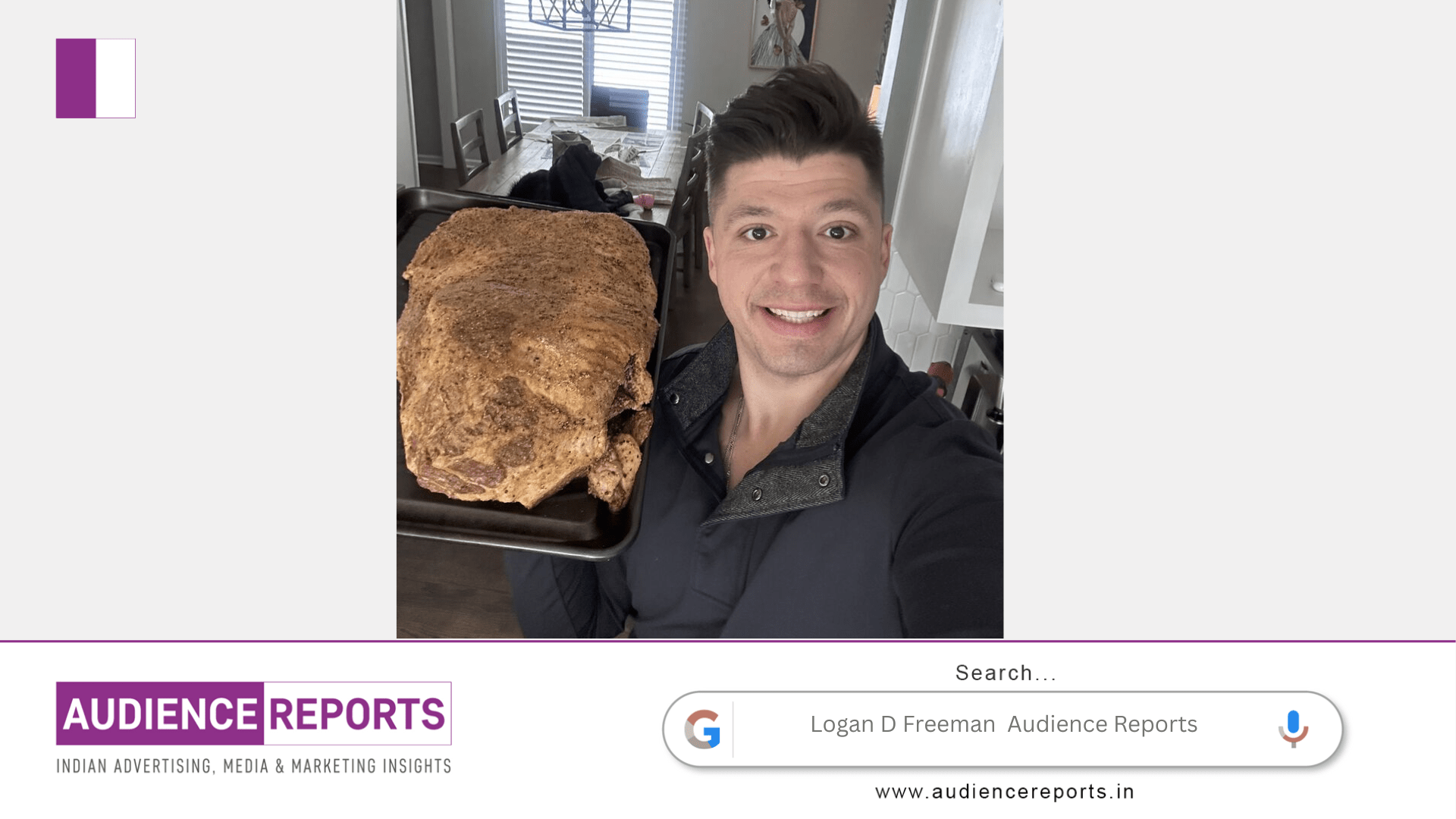
Logan D Freeman’s mention of doing hard things in uncomfortable conditions, even something as trivial as BBQ’ing in two-degree weather, adds texture to the message. It’s not about bravado; it’s about identity. When standards are internalized, effort becomes non-negotiable. Logan D Freeman is suggesting that excellence is a choice made when conditions aren’t ideal, not when everything is aligned.
Logan D Freeman’s work with The Kansas City Market Pulse reflects this mindset. Sharing real-time insights, deal breakdowns, and market trends consistently requires discipline. There’s no guarantee of immediate payoff. But over time, that consistency compounds into credibility. Logan D Freeman demonstrates that expertise isn’t just what you know; it’s how reliably you show up to apply it.
Logan D Freeman’s post ultimately reframes competition. Instead of obsessing over what others are doing, he directs attention inward, to standards, habits, and follow-through. That shift is uncomfortable because it removes excuses. If excellence is the advantage, then the responsibility is personal. Logan D Freeman isn’t offering a shortcut; he’s offering a mirror.
Logan D Freeman’s message matters because it resists the cultural pressure to chase novelty at the expense of mastery. In commercial real estate and beyond, markets reward those who can endure boredom, resist hype, and maintain quality when speed tempts compromise. Logan D Freeman isn’t arguing that excellence is exciting. He’s arguing that it works.
Logan D Freeman reminds us that long-term success is rarely about outsmarting the market. It’s about outlasting your own impatience.