
































Arijit Kar begins his reflection not with hype, but with a question that deserves serious thought: can West Bengal become the heartbeat of India’s sustainable fashion movement? Arijit Kar frames the discussion around lived observation, comparison, and ground reality rather than buzzwords, which is what makes the question worth engaging with.
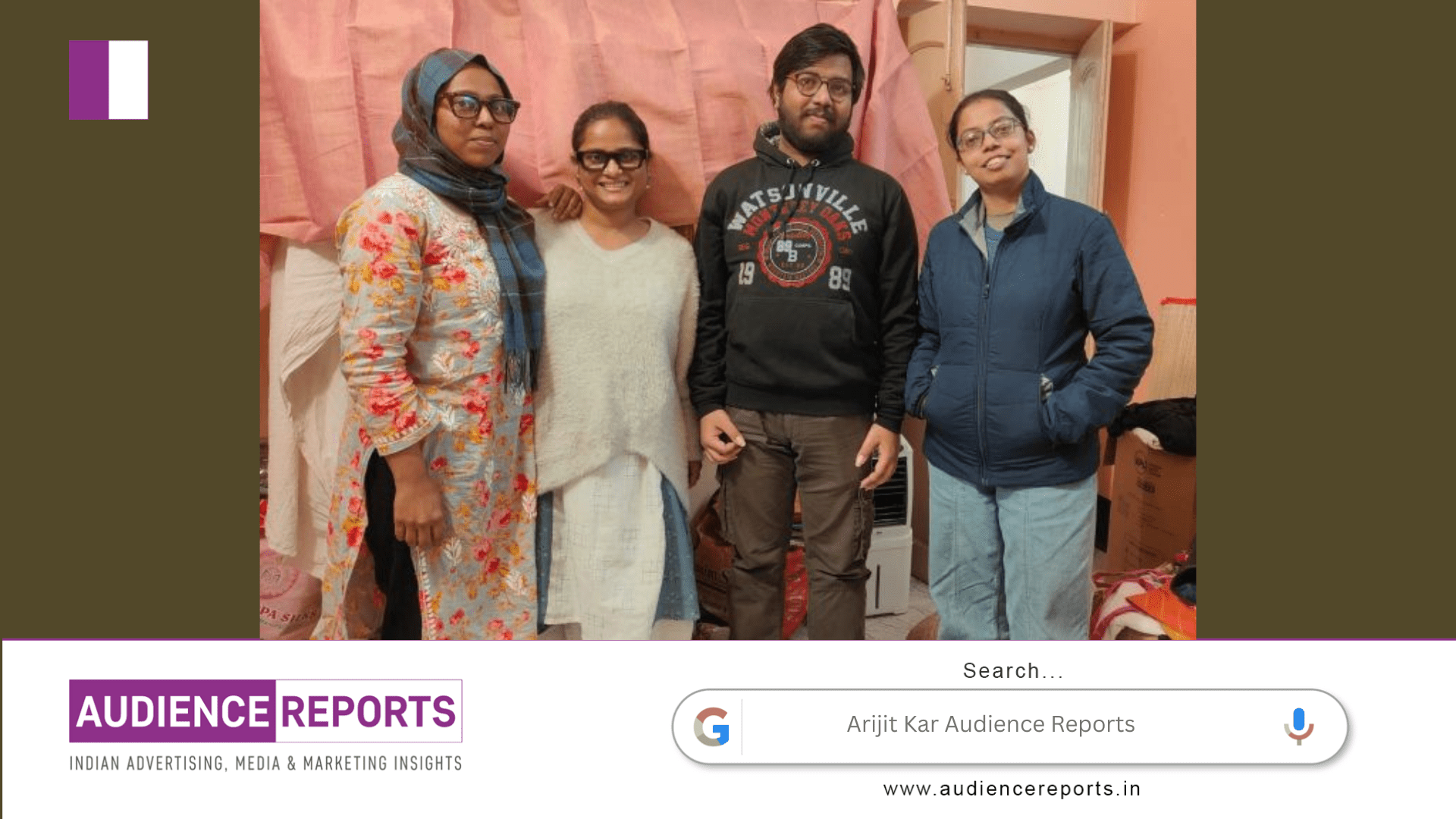
Arijit Kar’s encounter with the team behind Titliya Fashion Studio becomes a lens to examine a larger pattern in Indian entrepreneurship. By placing a West Bengal–based brand alongside a heavily funded Bangalore startup, Arijit Kar subtly challenges the assumption that capital automatically equals quality. His comparison is not about diminishing one ecosystem over another, but about recognizing overlooked strength where it already exists.
What stands out in Arijit Kar’s post is the emphasis on fundamentals. Better design, fair pricing, and a lean business model are not revolutionary ideas, yet they are often lost in conversations dominated by valuations and funding rounds. Arijit Kar reminds readers that sustainability is not only about eco-friendly materials but also about economic sense and operational discipline. In that sense, his observation speaks to founders across sectors, not just fashion.
Arijit Kar also highlights the human infrastructure behind Titliya Fashion. A workforce of more than 300 women is not presented as a marketing hook but as a structural advantage. Arijit Kar points out that sustainability becomes credible when it creates livelihoods and dignity, not just when it reduces carbon footprints. This framing shifts the narrative from “ethical branding” to long-term social value creation.
The idea of financial grit appears repeatedly in Arijit Kar’s reflection, and it is crucial. Profitability through bootstrapping, with an eye on ₹5–10 Cr ARR, suggests restraint and realism. Arijit Kar does not romanticize struggle; instead, he underscores discipline. In an era where loss-making growth is often celebrated, Arijit Kar’s focus on profitability feels deliberately grounded.
Arijit Kar’s larger question about West Bengal is also about ecosystem confidence. The state has deep roots in craftsmanship, textiles, and design, yet it is rarely positioned at the center of India’s startup narrative. By pointing to Titliya Fashion as evidence, Arijit Kar argues that the raw ingredients already exist. What may be missing is attention, support, and belief.
Importantly, Arijit Kar does not claim certainty. His post invites opinion rather than delivering a verdict. Arijit Kar asks whether West Bengal can become the heartbeat, not whether it already is. That openness makes the reflection constructive rather than promotional.
In the end, Arijit Kar’s post is less about a single brand and more about recalibrating how success is measured. Arijit Kar encourages readers to look beyond funding announcements and toward design integrity, fair economics, and community impact. If West Bengal’s sustainable fashion story grows, it may well be because voices like Arijit Kar continue to ask uncomfortable but necessary questions, and stay attentive to answers emerging quietly on the ground.