































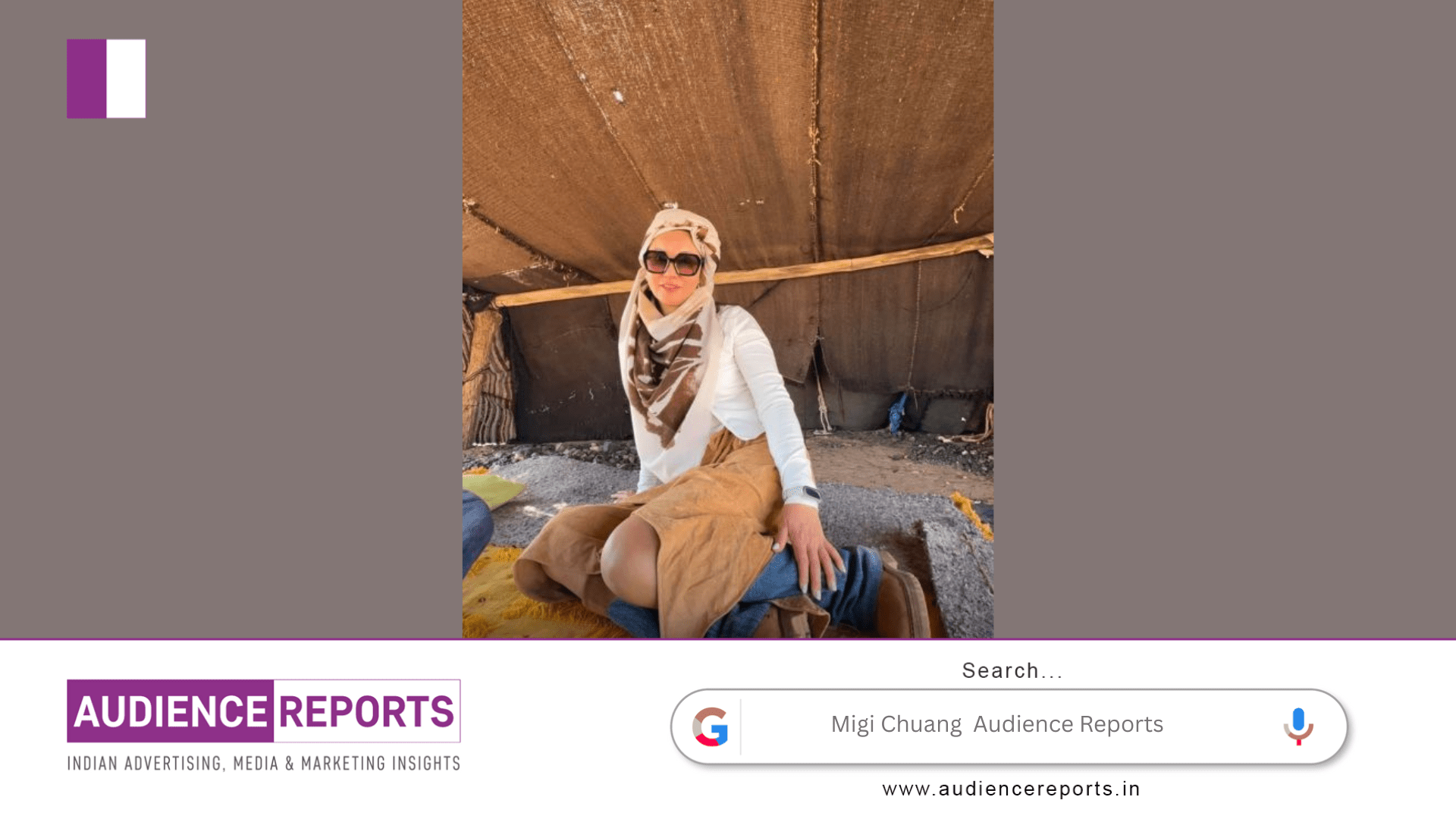
Migi Chuang believes that travel changes the way founders think, not because of luxury or adventure, but because unfamiliar environments force people to observe more carefully. In her reflection on global business learning, Migi Chuang explains how travel turns entrepreneurs into observers who begin noticing systems, behaviors, and decisions that are often ignored in familiar surroundings. That idea may sound simple at first, yet it carries an important lesson for anyone building a company in a connected world.
Migi Chuang highlights a reality that many founders experience quietly. When people enter a new country, they become more alert. They study how transportation works, how stores interact with customers, how meetings are conducted, and how trust is built between businesses and consumers. Migi Chuang points out that this habit of observation eventually becomes a strategic advantage. Instead of relying only on reports, data sheets, or market assumptions, founders begin learning directly from human behavior.
What makes the perspective shared by Migi Chuang valuable is that it focuses on awareness rather than speed. In modern entrepreneurship, there is constant pressure to scale quickly, launch faster, and react immediately. However, Migi Chuang reminds readers that strong strategy often grows slowly from careful observation. The founders who pay attention to details frequently discover opportunities that others overlook.
One of the strongest ideas in the post from Migi Chuang is that systems reveal themselves through everyday interactions. A founder travelling through another country may notice how commuters queue for public transport, how digital payments are accepted even in small stores, or how customer support teams communicate with patience and clarity. These are not dramatic business lessons on the surface, yet Migi Chuang argues that they shape strategic thinking over time.
This matters especially for founders operating across international markets. Migi Chuang explains that travelling is not simply movement between locations. It becomes a form of education. Every country presents a different approach to efficiency, communication, trust, and problem-solving. Observing these differences allows entrepreneurs to challenge their own assumptions about how businesses should operate.
For example, some countries prioritize convenience above all else, creating systems that reduce friction in daily life. Others emphasize personal relationships and long-term trust before transactions happen. A founder who notices these cultural differences gains a broader understanding of customer expectations. Migi Chuang suggests that these insights are often more powerful than theoretical business advice because they come from direct experience.
Another important point raised by Migi Chuang is the connection between observation and innovation. Many successful business ideas are not created completely from scratch. Instead, they emerge when founders recognize patterns across different markets. A process that works efficiently in one country may inspire improvements elsewhere. A customer service model in one culture may reveal weaknesses in another. Migi Chuang emphasizes that innovation often begins with seeing familiar problems through a different lens.
The mindset described by Migi Chuang also encourages humility in leadership. Travelling reminds founders that there is no single correct way to build systems or manage businesses. Different cultures solve similar problems using different methods. Some approaches focus on technology, while others rely on community behavior or operational discipline. Migi Chuang shows that founders grow when they stop assuming their own environment has all the answers.
There is also a deeper lesson about attention itself. In a world filled with distractions, many professionals move through experiences without truly observing them. Airports, restaurants, taxis, meetings, and public spaces become background noise. Migi Chuang argues that founders benefit when they consciously pay attention to these details. Small observations can reveal larger truths about consumer psychology, efficiency, and trust.
The post from Migi Chuang is especially relevant for startup founders because entrepreneurship often requires pattern recognition. Successful entrepreneurs notice gaps before competitors do. They identify inefficiencies others accept as normal. They recognize behavioral trends early. According to Migi Chuang, travelling strengthens this ability because unfamiliar environments naturally sharpen awareness.
Another reason the perspective shared by Migi Chuang stands out is its practicality. The message does not depend on expensive tools, complicated frameworks, or corporate jargon. Instead, Migi Chuang focuses on a habit available to almost anyone: observation. Founders do not always need dramatic breakthroughs to improve strategy. Sometimes they simply need to watch more carefully and ask better questions about why systems function the way they do.
The idea of learning through exposure has become increasingly important in global business environments. Teams today collaborate across countries, cultures, and time zones. Customers compare experiences internationally. Expectations evolve rapidly because people see how services operate elsewhere. Migi Chuang recognizes that founders who expose themselves to different environments often develop more adaptable thinking.
What makes the reflection from Migi Chuang inspiring is that it frames curiosity as a business strength. Curiosity is sometimes underestimated in professional settings because it does not always produce immediate measurable results. Yet Migi Chuang demonstrates that curiosity leads to stronger understanding, and understanding leads to better decisions over time.
In the end, Migi Chuang presents a powerful reminder that business growth is not driven only by execution or ambition. It is also shaped by awareness. Founders who travel with attention learn how people behave, how systems create trust, and how cultures solve problems differently. Migi Chuang shows that these observations gradually influence strategy in meaningful ways.
The central lesson from Migi Chuang is clear: many of the best business insights begin not with speaking, but with noticing.