
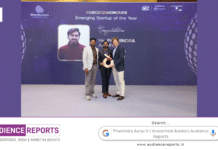


































Bhawna Saxena highlights a reality that many businesses still struggle to accept: visibility alone is no longer enough. A billboard, a mall hoarding, or a newspaper advertisement may still create awareness, but awareness without digital trust rarely converts into long-term customers. Bhawna Saxena points out that consumer behavior has fundamentally changed, and founders who ignore this shift risk losing relevance in an increasingly digital marketplace.
Bhawna Saxena explains that years ago, traditional advertising worked because information moved slowly. A person saw a hoarding, remembered a brand, and often made decisions based on limited alternatives. Today, the process is different. A customer notices an advertisement and instantly searches online for reviews, social proof, founder credibility, and customer experiences. If the online presence feels weak or inactive, trust disappears before a purchase even begins.
This observation from Bhawna Saxena reflects a broader transformation in modern entrepreneurship. Businesses are no longer competing only through products or pricing. They are competing through visibility, consistency, and credibility across digital platforms. Consumers want reassurance before committing their time or money. They want to understand the people behind the business and see proof that the brand delivers value.
Bhawna Saxena emphasizes the importance of building in public because audiences now expect transparency. People are drawn to brands that communicate openly about their journey, lessons, challenges, and progress. This does not mean oversharing or creating content for attention alone. Instead, it means creating a genuine connection between the founder and the audience. That connection becomes a competitive advantage.
One of the strongest points in the message shared by Bhawna Saxena is the distinction between attention and conversion. Many businesses still focus only on attracting attention. They invest heavily in offline promotions, events, and branding campaigns but fail to create an online ecosystem that nurtures trust. A potential customer may notice the brand, but the buying decision happens elsewhere, often on LinkedIn, Google, Instagram, YouTube, or through customer testimonials.
Bhawna Saxena reminds founders that digital presence is not optional anymore. It is part of the customer journey. When people search for a business online, they expect to see expertise, active communication, valuable insights, and proof of consistent work. Silence online creates doubt, even if the company itself is doing excellent work behind the scenes.
Another important insight from Bhawna Saxena is the growing importance of personal branding for founders. In earlier decades, companies could hide behind logos and advertisements. Today, audiences prefer human connection. They want to know who is leading the company, what they believe in, and how they think. Founders who communicate directly with their audience often create stronger loyalty than businesses relying solely on corporate messaging.
Bhawna Saxena also indirectly addresses a common misconception: that personal branding is only about popularity. In reality, effective personal branding is about clarity and trust. It helps people understand what a founder stands for and what problems they solve. A founder sharing practical insights, real experiences, and honest perspectives builds familiarity over time. Familiarity reduces hesitation, and reduced hesitation increases conversions.
The idea of “showing your expertise online,” as mentioned by Bhawna Saxena, is especially relevant in competitive industries. Expertise today must be visible, not assumed. Businesses cannot expect customers to simply believe claims without evidence. Articles, videos, case studies, client stories, and thoughtful posts help demonstrate capability in ways that static advertisements cannot.
Bhawna Saxena also points toward an important psychological shift in buyer behavior. Customers increasingly rely on validation from digital footprints. Before making decisions, they look for consistency. They examine whether a business regularly shares meaningful insights, whether customers engage positively, and whether the founder appears credible and informed. A strong digital presence reduces uncertainty in the buyer’s mind.
What makes the perspective shared by Bhawna Saxena valuable is that it is practical rather than theoretical. Many founders continue spending heavily on outdated tactics while underestimating the influence of digital storytelling. Offline branding can still support awareness, but it must connect to a strong online presence. Without that bridge, businesses lose momentum after the first impression.
Bhawna Saxena encourages founders to share real stories about their brand. This matters because stories create emotional memory. People may forget advertisements quickly, but they remember experiences, lessons, and authentic narratives. A founder discussing the challenges of building a business, solving customer problems, or learning from failure creates relatability. Relatability builds trust in a way traditional promotions rarely achieve.
The message from Bhawna Saxena also reflects the evolution of marketing itself. Marketing is no longer just about broadcasting information. It is about participation, interaction, and ongoing engagement. Brands that communicate consistently online remain part of the customer’s awareness over time. This repeated exposure gradually strengthens credibility and increases the likelihood of future business.
Bhawna Saxena ultimately presents an important reminder for modern founders: customers no longer separate branding from trust. The buying process begins long before a direct conversation or sales pitch. It often starts with a search result, a LinkedIn profile, a founder’s post, or a customer review. Every digital interaction contributes to the final decision.
The insight shared by Bhawna Saxena is not an argument against traditional marketing entirely. Instead, it is a call for adaptation. Founders who combine visibility with authentic digital presence create stronger foundations for sustainable growth. In today’s environment, businesses that communicate clearly, consistently, and publicly are far more likely to turn attention into meaningful customer relationships.
Bhawna Saxena highlights a lesson that extends beyond marketing trends. The businesses that grow consistently are often the ones willing to evolve with changing customer behavior. Founders who understand this shift and build trust online are not simply promoting their companies, they are creating long-term relevance in a digital-first world.