


































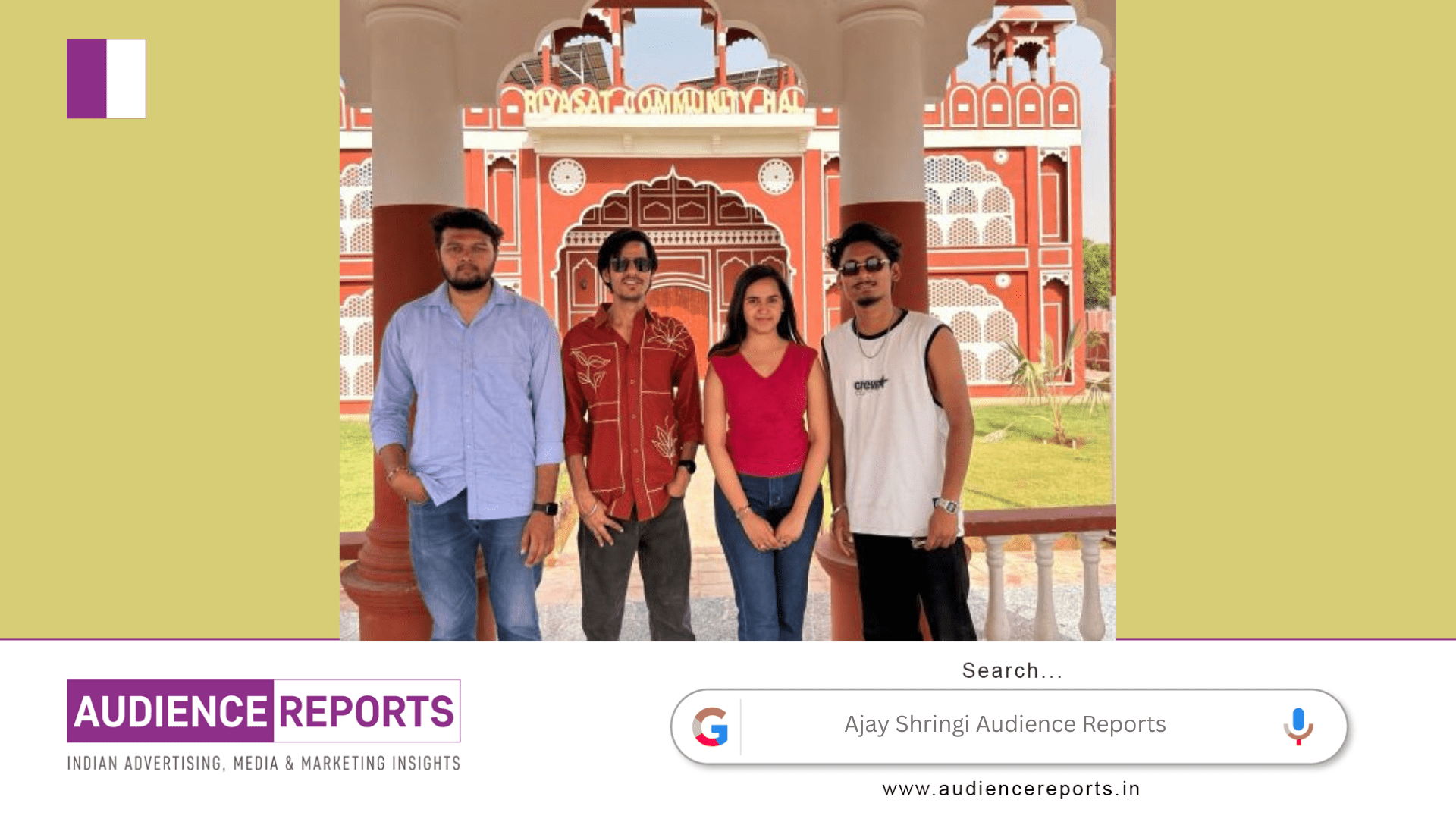
Ajay Shringi believes that one of the biggest transformations in modern business is happening quietly but rapidly. While companies once competed primarily through products, pricing, and operational strength, the competitive landscape today is increasingly shaped by something less tangible yet incredibly powerful: attention. His observation reflects a reality that many organizations are beginning to recognize—visibility has become a critical business asset.
Ajay Shringi, highlights a shift that extends far beyond marketing departments. In today’s digital environment, even exceptional products can struggle if potential customers never discover them. Businesses are no longer operating in a marketplace where quality alone guarantees success. Instead, they are navigating an ecosystem where awareness often determines opportunity.
For decades, companies invested heavily in product development, infrastructure, and traditional advertising. Those elements remain important, but they are no longer sufficient by themselves. Ajay Shringi, points out that content has evolved from being a promotional tool into a strategic necessity. Businesses that consistently communicate their ideas, values, and expertise create stronger connections with their audiences than those that remain silent.
The rise of social media platforms, professional networks, and digital communities has fundamentally changed how trust is built. Consumers and business buyers alike now have access to an endless stream of information. In such an environment, familiarity often becomes the first step toward credibility. Ajay Shringi, emphasizes that before customers evaluate a product, they frequently evaluate whether they recognize and trust the brand behind it.
This change has elevated the role of storytelling in business. Organizations are increasingly discovering that people connect with people before they connect with companies. A founder sharing lessons learned from challenges, a team member discussing industry insights, or an employee showcasing company culture can often generate stronger engagement than a polished advertising campaign. Ajay Shringi, suggests that authenticity has become one of the most valuable currencies in modern communication.
The reason behind this trend is simple. Human beings naturally relate to stories, experiences, and personalities. Corporate messaging alone often feels distant, while personal communication feels relatable. As a result, audiences develop trust through repeated exposure to genuine perspectives. Ajay Shringi, recognizes that consistency in communication can gradually transform unfamiliar brands into trusted names.
Another important point raised by Ajay Shringi, is the changing nature of brand building. Traditionally, branding was viewed as a centralized function managed by marketing teams. Today, branding is increasingly distributed across entire organizations. Employees contribute to brand perception through their online presence, interactions, and thought leadership. Every public conversation has the potential to strengthen or weaken trust.
This evolution is especially visible in business-to-business markets. In the past, B2B communication often relied on formal presentations, brochures, and sales meetings. Today, decision-makers frequently encounter companies through LinkedIn posts, webinars, podcasts, and educational content long before a sales conversation begins. Ajay Shringi, observes that B2B brands are gradually adopting creator-like behaviors because audiences now expect valuable insights rather than purely promotional messages.
Similarly, consumer-focused brands are investing heavily in communities rather than one-way advertising. Successful brands increasingly encourage participation, dialogue, and engagement. Customers want to feel connected to a larger story, not merely treated as buyers. Ajay Shringi, identifies this as a significant change in how relationships between businesses and customers are formed.
The concept of visibility, however, should not be misunderstood as a pursuit of constant self-promotion. Effective content is not about posting for the sake of activity. Instead, it is about creating relevance and remaining memorable. Ajay Shringi, argues that content succeeds when it delivers value, sparks reflection, solves problems, or provides useful perspectives.
This distinction is important because audiences have become highly selective about the information they consume. Companies that focus solely on promotional messaging often struggle to maintain attention. In contrast, organizations that educate, inform, and engage tend to build stronger long-term relationships. Ajay Shringi, highlights that being remembered is ultimately more valuable than simply being seen.
Looking ahead, the prediction that businesses without content capabilities may become increasingly invisible by 2030 deserves careful consideration. Digital platforms continue to influence purchasing decisions across industries. Search engines, social networks, and professional communities have become primary discovery channels. Companies that fail to participate in these conversations risk losing relevance regardless of the quality of their products or services.
Ajay Shringi, encourages business leaders to view content not as an optional marketing initiative but as an essential component of growth. Visibility creates awareness, awareness creates trust, and trust creates opportunities. The organizations that understand this progression are likely to gain a significant advantage in the years ahead.
The broader lesson from Ajay Shringi’s perspective is that business success is increasingly tied to presence as much as performance. Excellence remains important, but excellence must also be discoverable. In a world overflowing with choices, customers often gravitate toward brands they recognize and understand.
Ajay Shringi, reminds us that the modern business challenge is not merely building great products. It is ensuring that those products, and the people behind them, remain visible enough to earn trust. As digital communication continues to shape decision-making, the ability to stay remembered may become one of the defining strengths of successful organizations.